

Blog
August 24, 2026
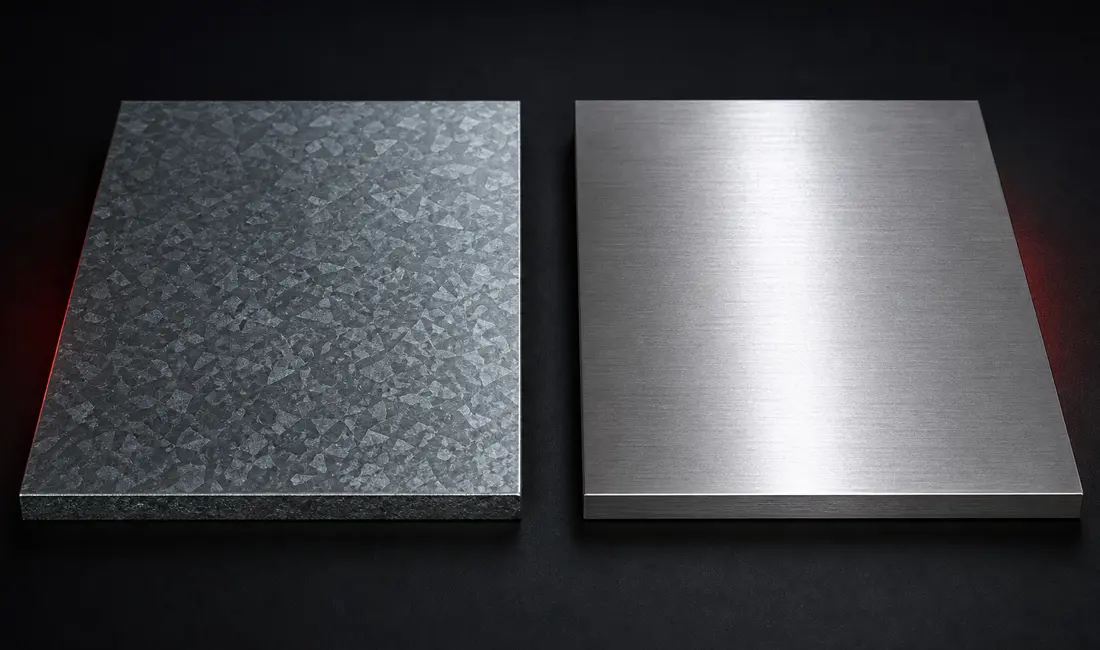
Galvanized steel and stainless steel both resist rust, but they protect steel in different ways and serve different budgets.
August 17, 2026
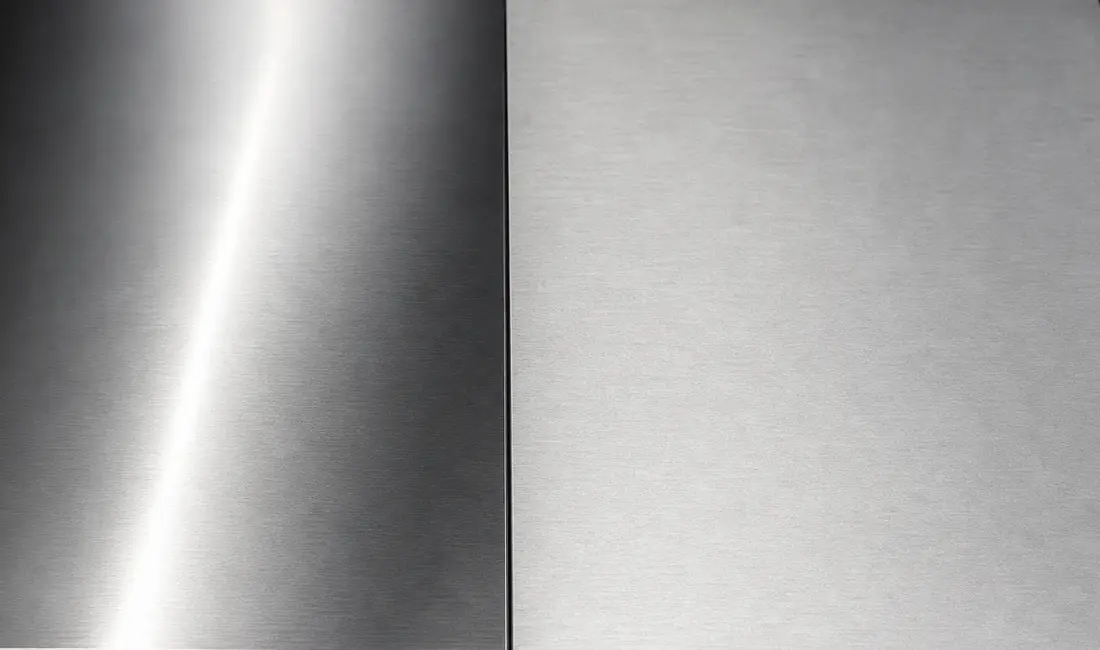
Stainless steel and aluminum differ in five main ways: weight, strength, corrosion resistance, heat handling, and cost.
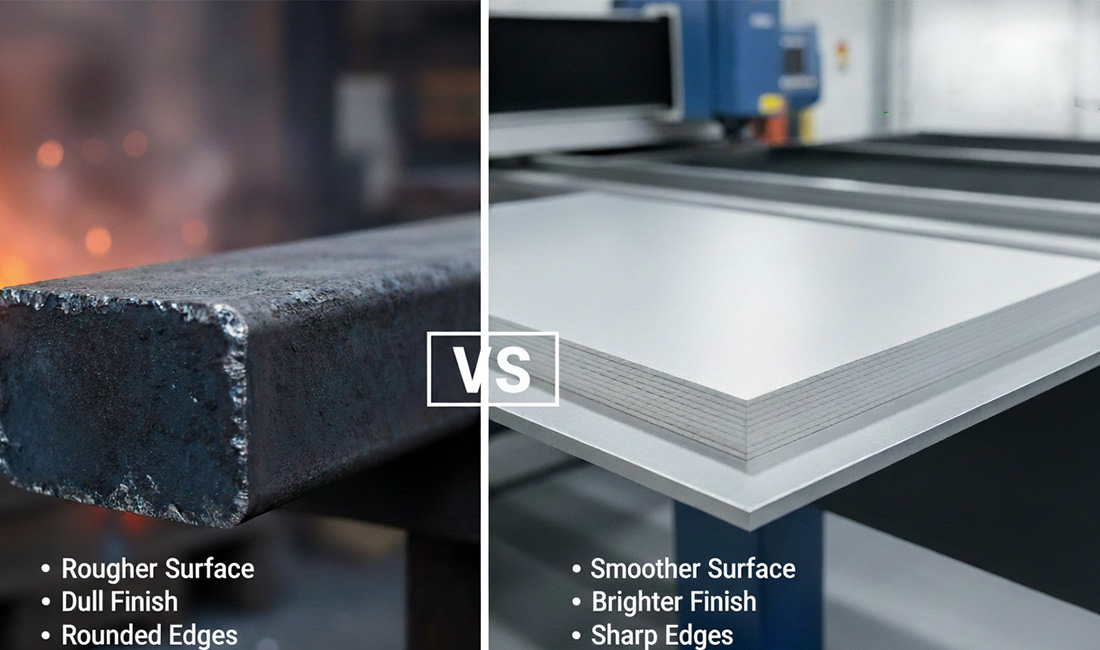
Hot Rolled vs Cold Rolled Steel: What’s the Difference?
The main difference between hot rolled and cold rolled steel is in how they are processed. The difference in processing directly affects their shape and properties.
Galvanized Steel vs Stainless Steel
Galvanized steel and stainless steel both resist rust, but they protect steel in different ways and serve different budgets.
Stainless Steel vs Aluminum: 5 Key Differences Explained
Stainless steel and aluminum differ in five main ways: weight, strength, corrosion resistance, heat handling, and cost.
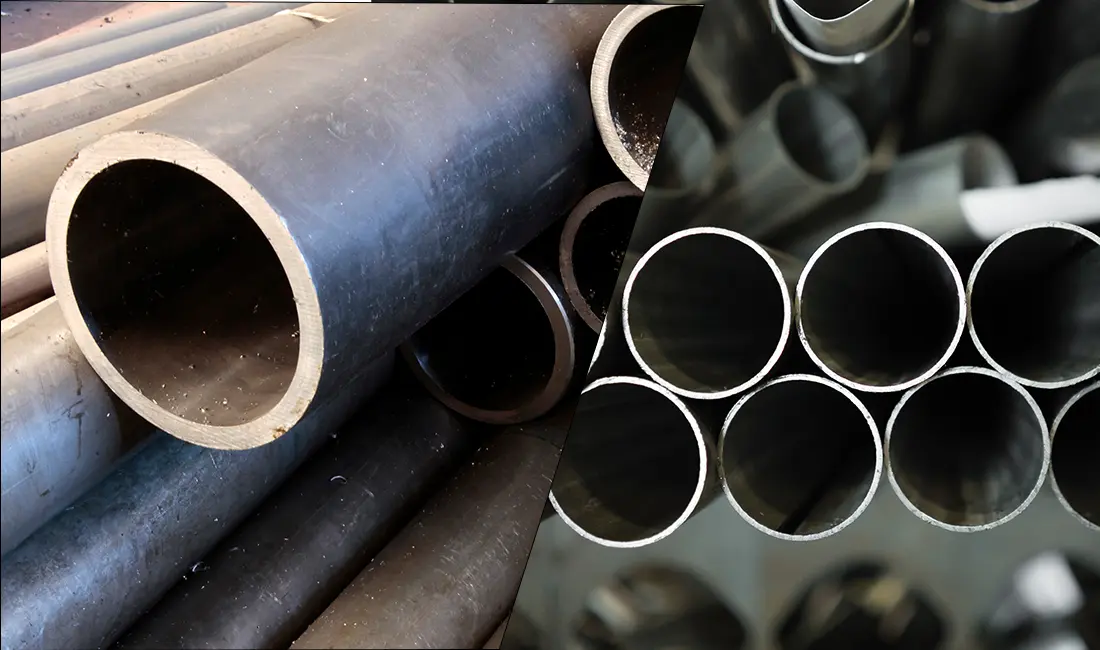
Schedule 40 vs Schedule 80 Pipe: Comparing Thickness, Pressure, and Use
Schedule 40 and Schedule 80 steel pipe share the same outside diameter at any given nominal pipe size (NPS) but differ in wall thickness—Schedule 80 walls run roughly 40–50% thicker, giving it a higher pressure rating, smaller inside diameter, greater weight, and higher cost.
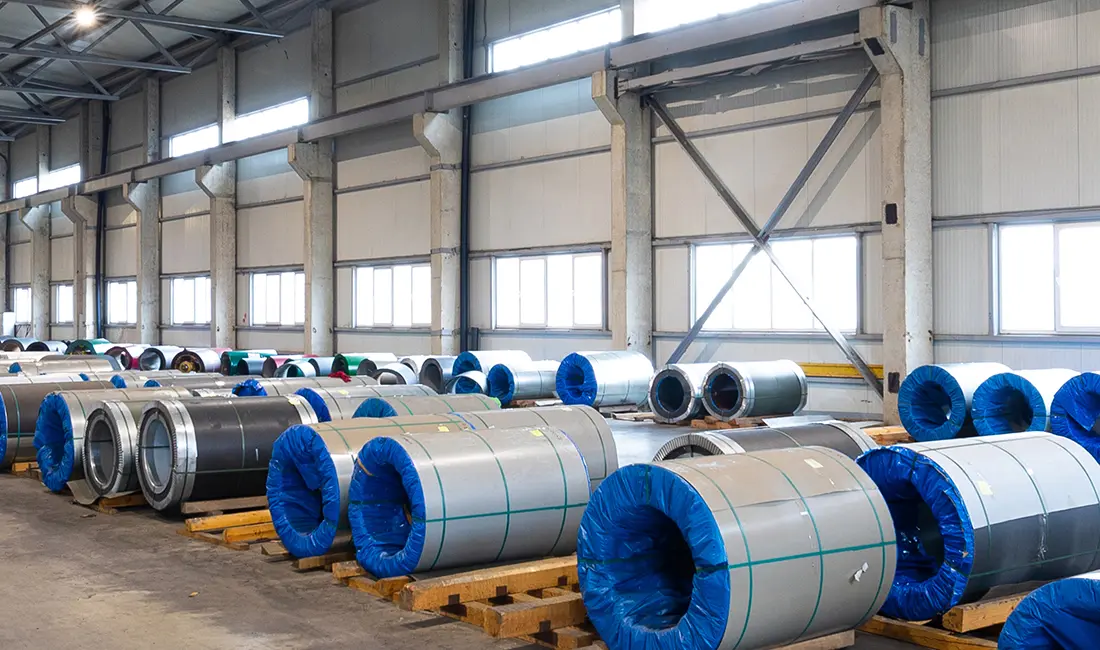
How to Prevent Rust on Steel During Shipping & Storage: Proven Strategies for Corrosion Control
To prevent rust on steel during shipping and storage, you must block oxygen and moisture from reaching the metal through surface preparation, protective coatings, VCI packaging, desiccants, and humidity-controlled storage.
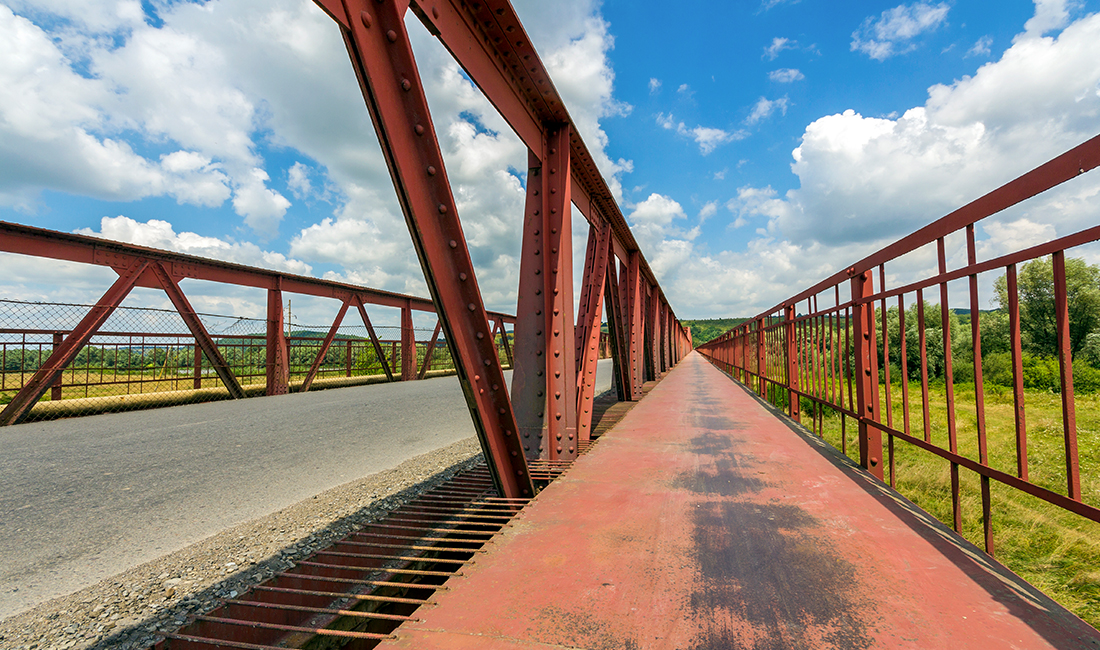
How Long Does Steel Last?
Steel lasts anywhere from 5 years to more than 100 years. The exact figure depends on the steel type, the environment, and the level of maintenance. Bare carbon steel in a wet coastal site may fail in under a decade, while galvanized or stainless steel in a mild setting can serve well past 50 years.
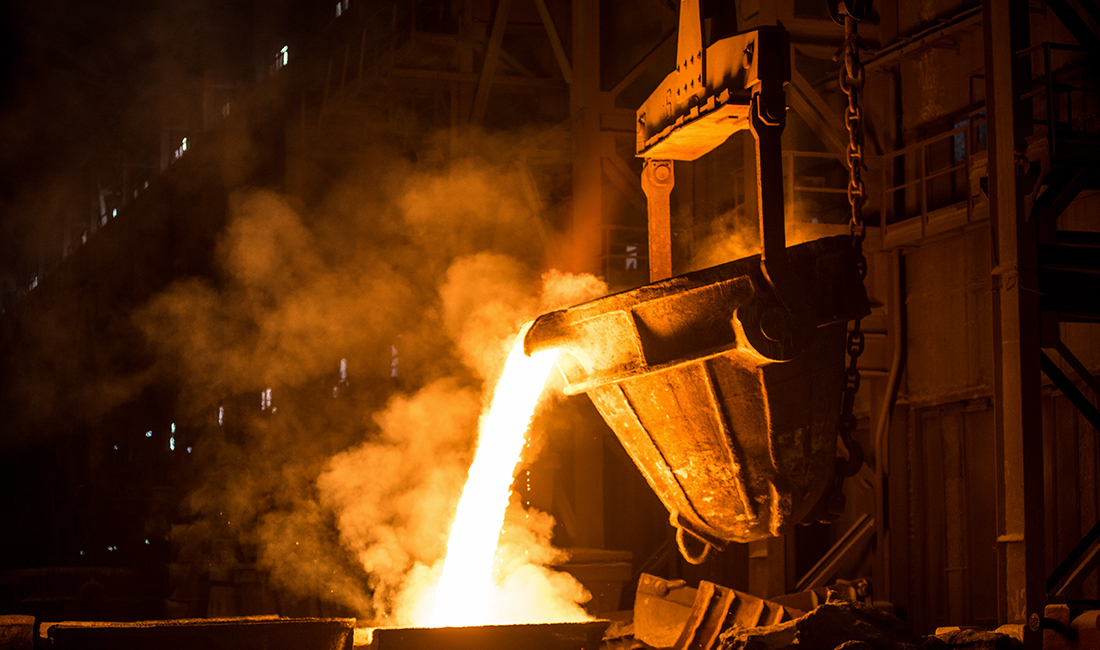
What Temperature Does Steel Melt?
Steel melts between roughly 1,370°C and 1,540°C (2,500°F to 2,800°F). Steel is an alloy, not a pure metal, so it does not have one fixed melting point. Carbon content, alloying elements, and trace impurities all shift that range up or down.
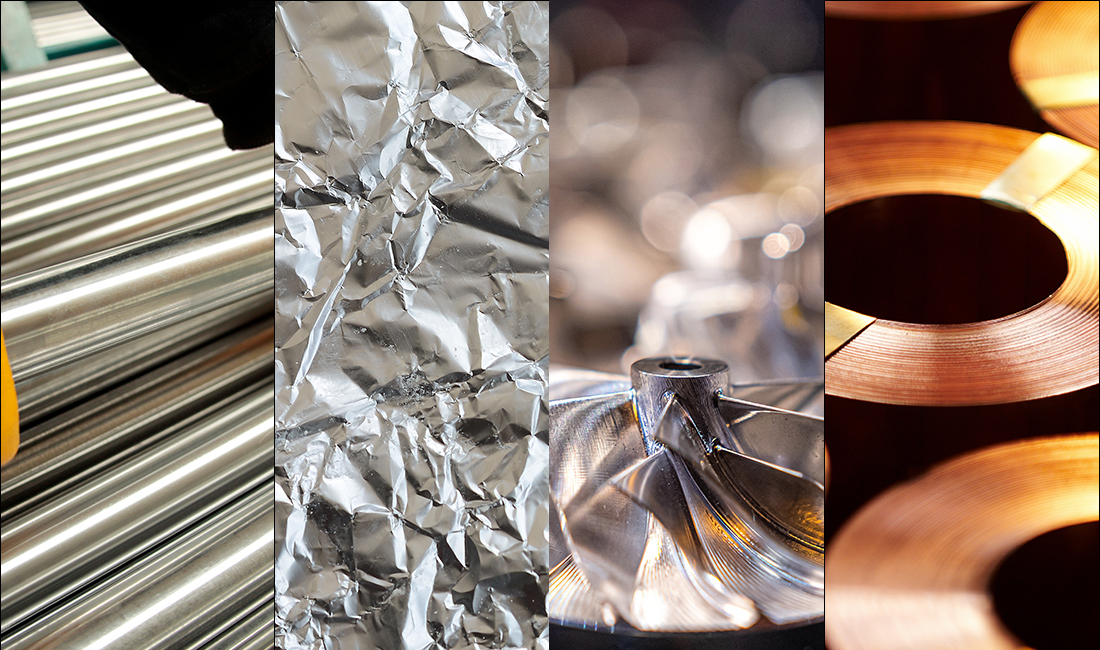
What Are Metals That Don’t Rust? Essential Guide for Durability
Metals that don't rust include stainless steel, aluminum, copper, brass, bronze, titanium, gold, silver, and platinum. These materials resist rust because they either don't contain iron or have protective properties that prevent corrosion. Galvanized steel and specially coated metals also offer rust resistance through added protection layers.