

Advanced Solutions with Steel Cladding & Electroplating
Steel is a key material for industrial and construction work. It is strong and affordable. Even so, bare steel has many weaknesses. It rusts quickly in air and moisture. It wears down with repeated friction and cannot stop chemical damage. These problems shorten the service life of steel parts. They also increase maintenance and replacement costs for factories.
Two simple and effective surface treatment methods fix these issues: steel cladding and steel electroplating. Both methods improve ordinary steel’s performance without changing its core structure. They work in different ways, offer different benefits, and fit different use cases.
This article covers the basic definitions, working principles, benefits, and common uses of cladding and electroplating. It also compares their key differences and answers common questions. It will help you choose the right surface treatment for industrial and commercial steel projects.
What Is Steel Cladding?
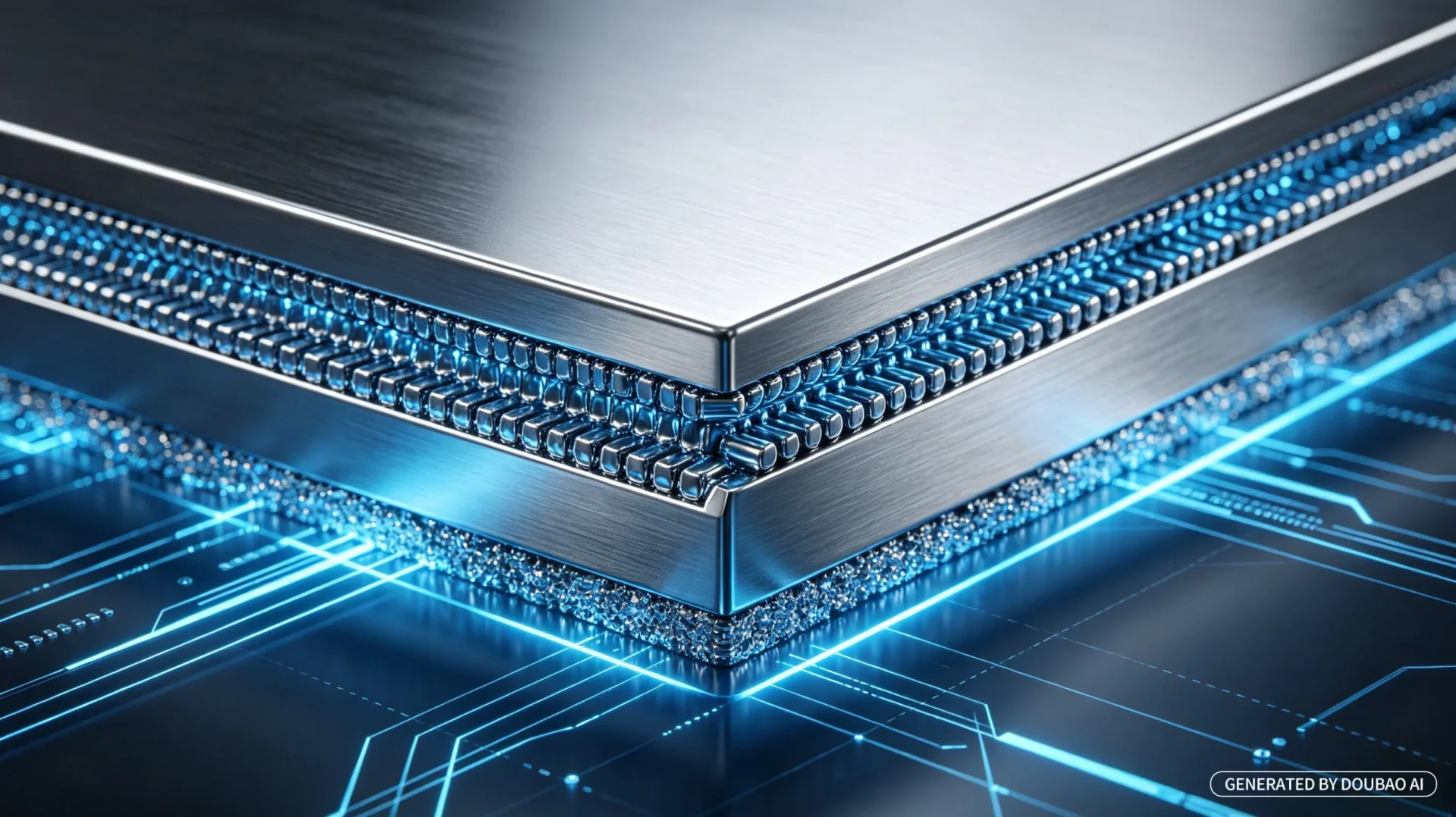
Steel cladding is a physical bonding technology. It joins two different metal layers tightly to make one solid steel material. The inner layer is common carbon steel. It provides firm structure and low cost. The outer layer is high-performance metal, such as stainless steel, aluminum, or titanium. This outer layer protects the steel from corrosion and wear.
This process uses physical methods like rolling, explosion bonding, and forging. It does not use chemical glue. This bonding style stops the two metal layers from peeling or separating in normal working conditions (Source: American Society for Metals, ASM Industrial Material Manual).Steel cladding’s biggest advantage is balanced performance. It keeps carbon steel’s strength and low cost. It also gains the strong protection of high-grade metal materials. This method helps factories save money, as they do not need to use full high-alloy steel for whole parts.
What Is Steel Electroplating?
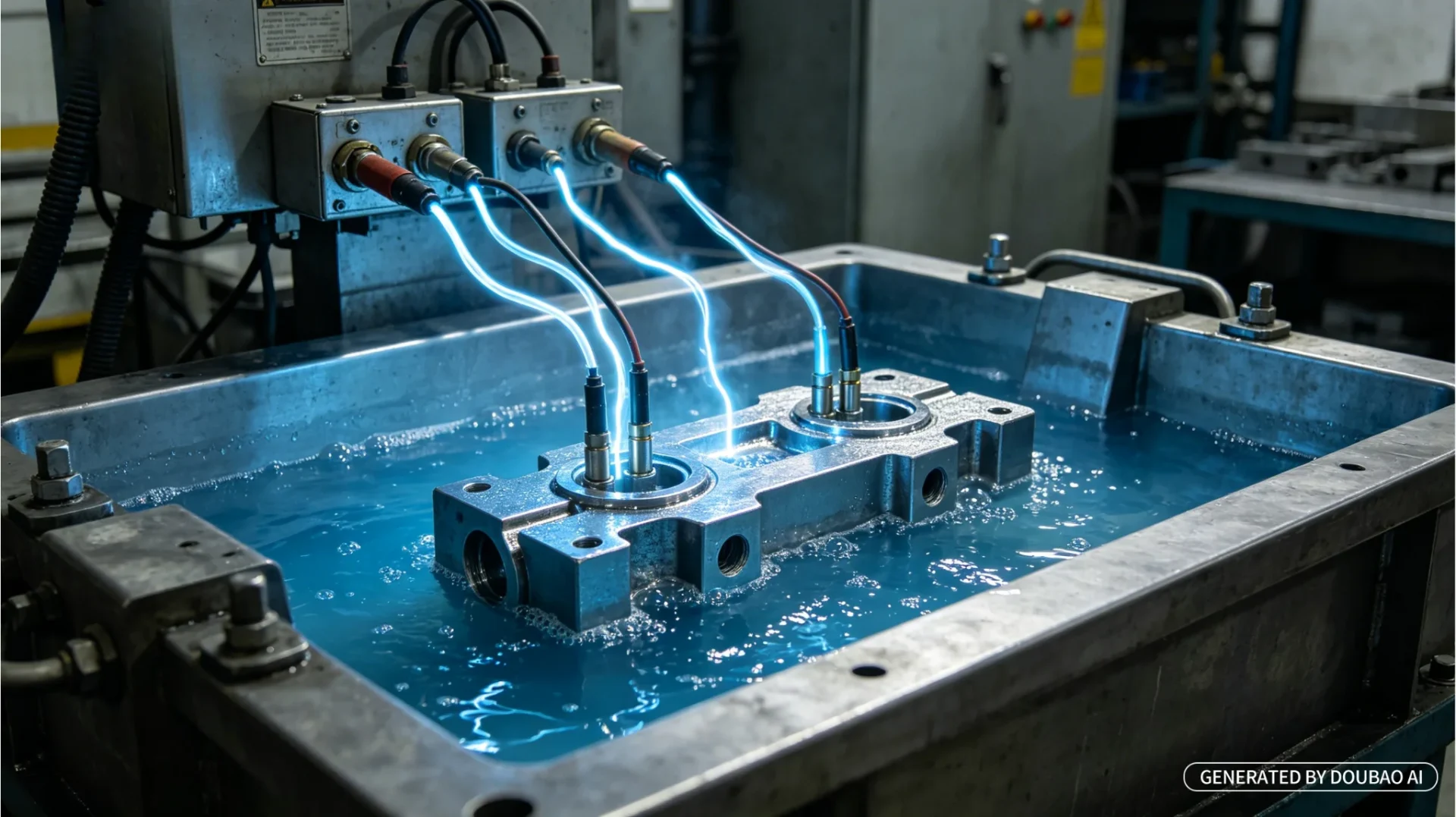
Steel electroplating is a basic electrochemical surface treatment. It uses direct current (DC) to add a thin, even metal film to steel surfaces. Common plating materials are zinc, nickel, chrome, and tin. All of these materials have stable chemical properties.
During electroplating, tiny metal particles in liquid solution stick to the steel surface and form a solid metal layer. Plating thickness ranges from 0.5μm to 50μm. Workers can adjust the thickness based on actual use needs (Source: ASTM A677 Electroplating Industry Standard).
Electroplating only changes the outer surface of steel. It does not affect the steel’s core structure or overall strength. Its main purpose is to form a tight protective layer. This layer blocks air, water, and harmful substances that cause damage.
Core Working Principles of the Two Technologies
Steel Cladding Principle
Steel cladding uses physical compounding. Under high pressure and high temperature, atoms from the base steel and outer metal mix and fuse together. This creates a smooth, unified composite structure. Clad steel has strong bonding force. It can bend, stretch, and stamp without layer separation (Source: World Steel Association Technical Report).
Steel Electroplating Principle
Steel electroplating follows simple electrolysis rules. When DC power connects, plating metal on the anode turns into tiny ions. These ions move to the steel cathode and form a solid metal coating. This thin layer covers all small gaps on steel and protects it from damage and wear.
Key Advantages of Steel Cladding & Electroplating
Advantages of Steel Cladding
- Dual performance integration: It combines carbon steel’s structural strength and alloy steel’s corrosion resistance. It balances good performance and low cost.
- Stable bonding performance: The fused atomic structure avoids peeling and cracking. It stays stable under high pressure, high heat and mechanical deformation.
- Long-lasting protection: Cladding layers are much thicker than electroplated layers. It can protect steel for over 20 years in harsh industrial environments (Source: ASM Industry Data).
- Wide application range: It supports many metal combinations. It works well for large steel structures that need long-term stability.
Advantages of Steel Electroplating
- Even surface coverage: Electroplated layers fit complex steel shapes perfectly. They cover small gaps and curved surfaces evenly with no missing spots.
- Low-cost processing: This method uses less metal and energy. It is budget-friendly for mass production of small and medium steel parts.
- Flexible functions: People can pick different plating metals to get rust resistance, wear resistance, smooth surface gloss or better conductivity.
- No structural damage: The low-temperature electrolysis process will not change the inner structure and mechanical features of base steel.
Main Application Scenarios
Typical Uses of Steel Cladding
Steel cladding fits large, heavy steel parts. These parts work in tough environments and need a long service life:
- Petroleum and chemical industry: Reaction tanks, storage tanks, and pipeline steel that resist chemical corrosion
- Marine engineering: Offshore platform steel structures, ship hull base plates resistant to seawater erosion
- Construction and municipal engineering: High-rise building exterior wall steel structures, bridge load-bearing components
- Energy industry: Thermal power and wind power equipment structural parts
Typical Uses of Steel Electroplating
Electroplating is ideal for precision parts, small hardware, and parts that need special surface functions or a nice finish:
- Automotive industry: Steel fasteners, chassis parts, and decorative trim parts
- Household appliances: Stainless steel-like decorative parts, conductive steel components
- Electronic equipment: Precision steel connectors and solderable parts
- Daily hardware: Bolts, screws, faucets, and metal decorative parts
Steel Cladding vs. Electroplating: Clear Core Differences
Many people confuse these two technologies. Below are their simple, clear differences:
- Working nature: Cladding is physical atomic composite (integral material upgrade); Electroplating is electrochemical surface coating (local surface protection)
- Protective layer thickness: Cladding layer is thick (millimeter level); Electroplated layer is thin (micron level)
- Service life: Clad steel lasts longer in harsh environments; Electroplated steel is suitable for conventional indoor and mild outdoor environments
- Cost positioning: Cladding has higher one-time processing cost for large components; Electroplating is low-cost and suitable for batch small parts
- Deformation resistance: Clad steel can withstand bending and stamping; Thin electroplated layers may crack under severe deformation
FAQ
Which technology is better for rust prevention?
The right choice depends on the working environment. Steel cladding offers better rust and corrosion protection for tough conditions, such as seawater contact and chemical gas exposure. Electroplating works well for daily use and common industrial scenes. It meets most civilian and standard industrial needs.
Can clad steel be electroplated again?
Yes. Clad steel already has good overall performance. Secondary electroplating can make its surface smoother and more wear-resistant. It fits higher decorative and precision use requirements.
Do these two technologies change the steel’s core strength?
No. Both technologies use original steel as the base material. Cladding improves overall performance through physical fusion. Electroplating only upgrades the outer surface. Neither method weakens or changes the core strength of steel.
Which solution is more cost-effective for mass production?
Electroplating is more cost-effective for mass-produced small and precision steel parts. For large steel structures that need long service life and little maintenance, steel cladding creates higher long-term value, even with higher initial costs.If you are looking for professional steel cladding and electroplating processing solutions, SUMEC METAL offers customized services for all kinds of industrial and commercial steel projects.
Learn More About Our Products?
Contact Now