

Beyond Iron & Carbon: How Common Alloying Elements Impact Steel Properties
Most people know steel is made of iron and carbon. This basic material works well for simple, low-stress uses. However, regular carbon steel has clear drawbacks. It rusts easily in open air. It turns weak under heavy pressure. It also fails to stand high heat and chemical damage. To fix these issues, manufacturers add different trace elements during production. These materials are called alloying elements. Each one changes steel’s physical and chemical traits in specific ways. This simple upgrade lets steel fit more complex industrial and daily use cases.
This article covers the most common alloying elements used in steel production. It explains their standard content ranges, basic functions, performance improvements and real-world uses.
What Are Alloying Elements in Steel?
Pure iron is very soft. It bends easily under small force and has almost no industrial value. Adding carbon makes it harder and more stable. Even so, ordinary carbon steel still has limits. It cannot handle tough working conditions, such as high temperature, chemical corrosion and long-term friction.
Manufacturers add extra metal or non-metal elements to carbon steel to create alloy steel. These elements do not just mix with iron and carbon. They blend into steel’s inner structure. They adjust steel’s hardness, toughness, rust resistance, heat resistance and wear resistance. This makes alloy steel suitable for daily hardware and large industrial equipment alike.
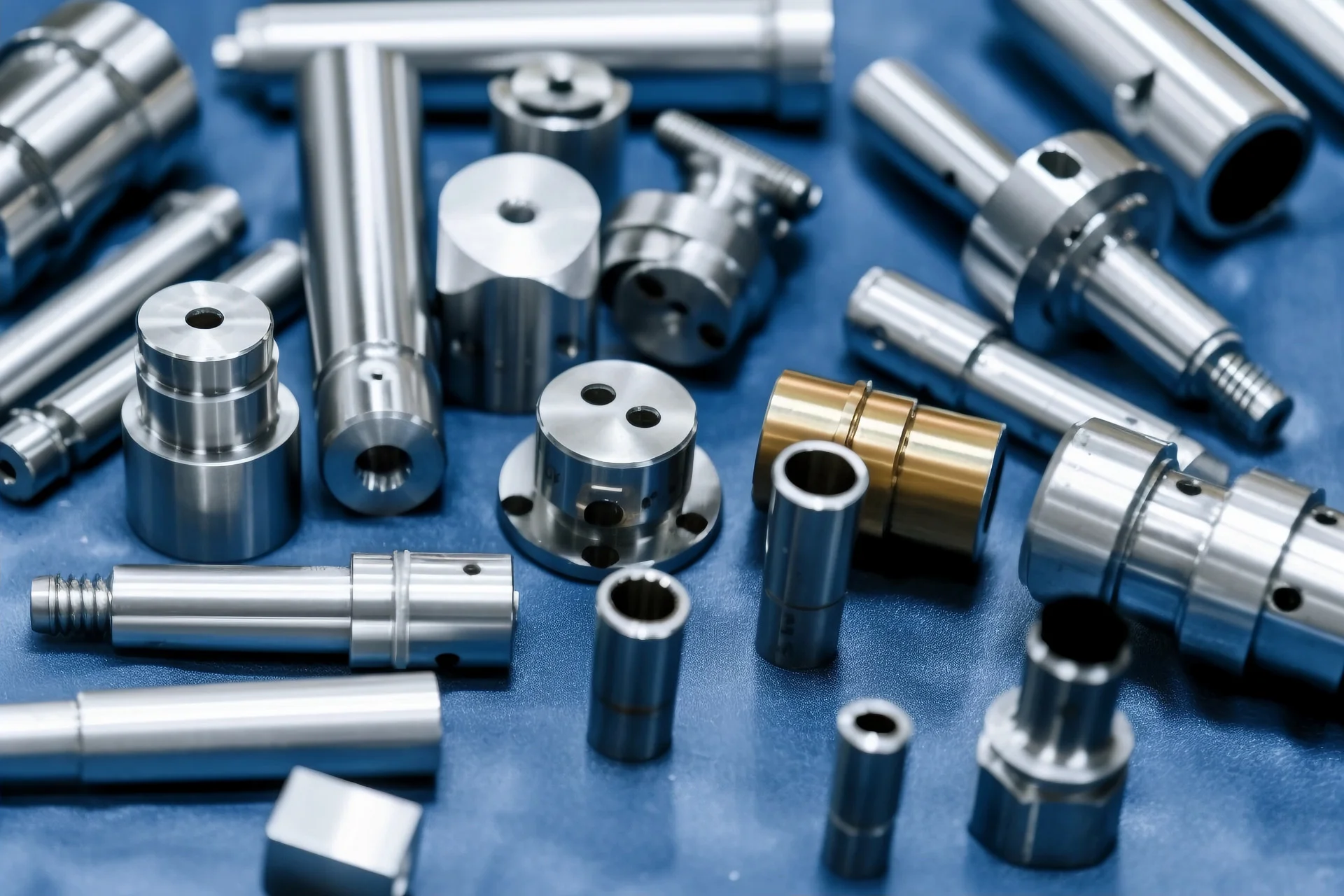
Main Alloying Elements and Their Effects
Silicon
Silicon is a common steel additive. Its typical content ranges from 0.1% to 4.5% (Source: ASTM A683 Standard for Electrical Steel).
Silicon mainly improves steel’s magnetic conductivity. It cuts power loss during operation, so silicon steel is widely used in electrical and power equipment. It also helps steel resist oxidation at room temperature and slows down surface aging. Besides, it increases steel hardness without making it brittle. The final material is firm and easy to process.
Manganese
Most steel contains manganese, usually between 0.6% and 1.6% (Source: World Steel Association).
Manganese plays a key purification role in steel smelting. It can absorb and remove harmful gas and tiny impurities inside molten steel, improving the internal purity of finished steel. Meanwhile, it greatly enhances steel’s toughness and wear resistance. Steel containing manganese is not easy to crack or break under impact, bending and long-term friction. Due to its stable and balanced performance, manganese steel is widely used as the basic material for building structural parts and general mechanical components.
Chromium
Chromium is one of the most widely used anti-corrosion alloying elements in steel production. Its addition amount is flexible. Manufacturers can adjust the content according to the actual anti-rust and wear-resistant needs of different steel products.
This element significantly improves steel’s ability to resist rust and chemical erosion. It forms a dense protective film on the steel surface, isolating air, moisture and acidic substances. It also improves the surface hardness and scratch resistance of steel. Steel with chromium can maintain stable performance in humid, saline and mildly corrosive environments. Almost all mainstream stainless steel products take chromium as the core alloying component.
Nickel
Nickel is a highly compatible alloying element. It can coordinate with other elements to comprehensively optimize steel’s overall performance, instead of improving only a single property.
Its most obvious advantage is improving steel’s low-temperature toughness. Ordinary steel will become brittle and easy to break in extremely cold environments. But nickel-containing steel can maintain good ductility and stability at low temperatures. When matched with chromium, it can further upgrade anti-corrosion performance. Therefore, nickel alloy steel is commonly used for marine engineering equipment, outdoor low-temperature facilities and professional industrial parts in cold regions.
Molybdenum
Molybdenum is a professional alloying element designed for high-temperature and heavy-load working conditions. It is mainly used for industrial steel parts that need to run stably for a long time under extreme pressure and heat.
This element can effectively maintain steel’s structural stability at high temperatures and prevent the material from softening or deforming under continuous heat. It also strengthens the internal structure of steel and reduces the generation of internal cracks under long-term pressure. For this reason, molybdenum steel is the preferred material for engine components, high-temperature furnace parts and various heat-resistant industrial devices.
Vanadium
Vanadium is usually added in very small doses, but it can bring remarkable upgrades to steel quality. It is a high-efficiency and high-value alloying element in fine steel production.
Vanadium can refine the internal grain structure of steel, making the overall structure more uniform and compact. This change greatly improves steel’s strength, durability and fatigue resistance. The finished steel can withstand long-term repeated impact, friction and extrusion without easy damage. Vanadium alloy steel is widely used for industrial cutting tools, mechanical gears and automobile structural parts that require high wear resistance and stability.
Combined Use of Alloying Elements
In actual industrial production, single alloy elements can only improve one or two properties of steel, which is hard to meet complex working standards. For this reason, manufacturers usually mix two or more alloying elements together. The different advantages of each element complement each other, helping the final steel product achieve balanced and comprehensive performance.
There are many classic and mature element matching schemes in the industry. For example, the combination of chromium and nickel produces high-quality stainless steel, which has both excellent anti-corrosion ability and stable toughness. The matching of manganese and vanadium creates high-strength structural steel, suitable for construction and mechanical manufacturing. Through flexible element collocation, producers can customize steel performance to fit diverse and strict industrial working conditions.
Typical Applications of Alloy Steel
Different alloy element combinations endow steel with totally different core advantages, so their application scenarios are clearly divided. The targeted usage of various alloy steels is listed below:
- Silicon steel: Electric motors, transformers and power transmission parts
- Manganese steel: Building structures, gears and general mechanical parts
- Chromium-nickel steel: Stainless steel pipes, kitchen products and marine equipment
- Molybdenum steel: Engine parts, high-temperature industrial devices
- Vanadium steel: Cutting tools, vehicle components and wear-resistant parts

FAQs
Why do we add alloying elements to steel?
Pure iron-carbon steel has many inherent performance limits. It cannot resist corrosion, high heat or heavy pressure well. Alloying elements make up for these shortcomings by adjusting steel’s internal structure. They can upgrade steel’s hardness, toughness, anti-rust ability, heat resistance and wear resistance, enabling steel to adapt to far more industrial and commercial working scenarios.
Can one alloying element meet all needs?
No. Every alloying element has its own functional focus and can only improve part of steel’s performance. A single element cannot take care of all performance needs. Therefore, multiple alloy elements are usually used together in industrial production to achieve comprehensive and balanced material performance.
Will alloying elements make steel cost much higher?
The overall cost change depends on the type and content of alloying elements. Common elements like manganese and silicon cause little cost fluctuation. High-end alloy elements such as nickel and molybdenum will raise production costs. Even so, alloy steel effectively reduces later maintenance and replacement frequency in harsh environments, bringing stable long-term value for industrial projects.
If you are looking for reliable alloy steel products, SUMEC Metal offers a wide range of alloy steels and one-stop supply chain solutions to meet different production and application needs.
Final Thoughts
Steel is far more than a simple combination of iron and carbon. All kinds of alloying elements are the core keys to activate diverse steel performance. Each element has its unique functional positioning, which can precisely adjust steel’s internal structure and external use characteristics.
Learning the functions of common alloying elements helps material purchasers and industry practitioners select the most suitable steel materials accurately. Scientific element matching enables alloy steel to exert stable and efficient performance, supporting long-term operation of construction, power, machinery, transportation and many other industrial fields.
Learn More About Our Products?
Contact Now