

What Are the Strongest Metals? Properties, Rankings, and Key Uses
Metal strength matters for everything from building bridges to making surgical tools. The answer depends on how strength is measured. The strongest metals include tungsten, titanium, steel alloys, Inconel, and chromium, though each excels in different ways depending on whether strength means tensile strength, yield strength, or hardness.
This guide breaks down the top 5 strongest metals and explains how they compare. It covers the differences between types of strength, how these properties are tested, and how to choose the right metal for specific projects. Whether someone works in construction, manufacturing, or just wants to learn more about materials, knowing which metals perform best helps make better decisions.
What Is The Difference Between Tensile Strength And Yield Strength?
Tensile strength and yield strength measure different aspects of how metals respond to stress. Tensile strength (also called ultimate tensile strength or UTS) refers to the maximum stress a metal can handle before it breaks apart. Yield strength measures the point at which a metal begins to deform permanently.
The key difference lies in what happens to the material. Before reaching yield strength, a metal returns to its original shape when the force is removed. Once the stress passes the yield point, the metal stays bent or stretched even after the force stops. The metal doesn’t break at this point—it just changes shape permanently.
The relationship between these values reveals important material properties:
- Yield strength is always lower than tensile strength
- The gap between yield strength and tensile strength indicates ductility
- A large gap means the metal can stretch significantly before breaking
- A small gap suggests the metal is more brittle
How Is Hardness Different From Strength?
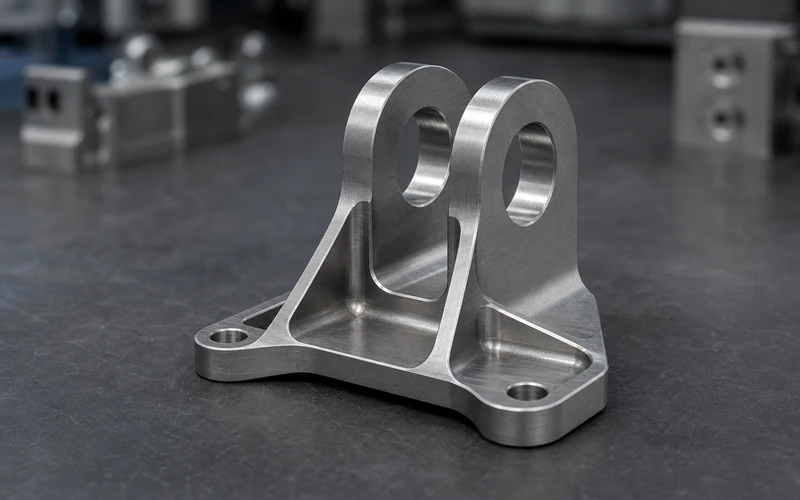
Hardness and strength are two different properties. They measure different things about a metal. Hardness is how well a material resists local damage, like scratching, denting, or indentation on its surface. Strength is different. It measures how much force a metal can take before it breaks or bends out of shape for good.
The Mohs scale gives a simple way to compare hardness. It shows how easily one material can scratch another. But engineering work needs more exact methods. Tests like Rockwell or Vickers give better results for metals. Some natural metals still rank high in hardness. Tungsten, chromium, and osmium are examples. These metals resist surface wear very well.
Key Differences:
- Hardness resists surface scratches and dents
- Strength resists breaking or bending under force
- Hard metals may be brittle and crack under impact
- Strong metals can bend without breaking
Engineers must consider both hardness and strength when selecting metals for specific applications, as neither property alone determines overall performance.
How Are Tensile Strength, Yield Strength, And Hardness Tested?
Tensile strength and yield strength are measured through tensile testing, where a metal sample is pulled apart by a machine until it breaks. The test piece is typically a bar or rod made from materials like steel, titanium alloys, or superalloys such as Inconel.
During the test, the machine slowly applies force while measuring how much the metal stretches. Yield strength is the point where the metal starts to deform permanently and won’t return to its original shape. Ultimate tensile strength is the maximum stress the material can handle before it breaks.
Key measurements from tensile tests include:
- Yield strength (when permanent deformation begins)
- Ultimate tensile strength (maximum stress before breaking)
- Elongation (how much the metal stretches)
- Young’s modulus (stiffness of the material)
Hardness testing works differently. It measures how well a metal resists indentation or scratching. A machine presses a hard object into the surface of materials like tool steel, stainless steel, or tungsten carbide.
The three main hardness tests are Brinell, Vickers, and Rockwell. The Brinell test uses a steel ball pressed into the metal surface. The Vickers test uses a diamond-shaped indenter. The Rockwell test also uses an indenter but measures the depth of the mark instead of its width.
These tests are important for steel alloys, high-strength steels, and nickel-based superalloys used in cutting tools and drill bits. Heat treatment can change test results by altering the metal’s internal structure. Materials exposed to high temperatures must also be tested for creep resistance to ensure they perform reliably over time.
How Do The Strongest Metals Rank By Tensile And Yield Strength?
Tensile strength measures the top stress a metal can take before it breaks. Yield strength is different. It shows when the metal starts to bend for good, not just for a moment.
In standard engineering forms, tungsten ranks first. Its tensile strength is near 1510 MPa. Titanium comes next. Then come steel alloys, Inconel, and chromium. But there is an exception. Special steel grades can beat tungsten’s number. This happens under certain heat treatments.
Rank 1: Tungsten
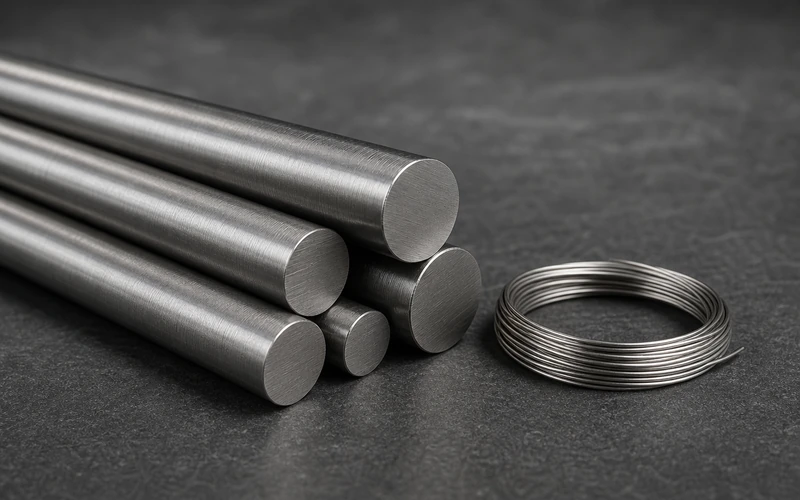
Tungsten holds the top position among metals with a tensile strength around 1510 MPa. This rare transition metal also has a yield strength that reaches approximately 750 MPa in its pure form.
The metal’s strength increases when combined with carbon to form tungsten carbide, which metallurgy experts use for cutting tools and drill bits. Tungsten maintains its strength at high temperatures where other metals fail. Its melting point of 3422°C makes it the most heat-resistant metal known.
Steel production facilities use tungsten as an alloying element to improve hardness and wear resistance. The aerospace industry relies on tungsten for components that face extreme conditions. Its density is 19.3 times that of water, making it useful in applications requiring both strength and weight.
Rank 2: Titanium
Titanium ranks second with a tensile strength between 240-1400 MPa depending on the grade and alloy composition. Its yield strength ranges from 170-1100 MPa. Pure titanium is softer, but titanium alloys achieve much higher strength values.
The key advantage of titanium is its strength-to-weight ratio. It weighs about 40% less than steel while maintaining comparable strength in many applications.
Titanium shows excellent corrosion resistance through a self-healing oxide layer. This corrosion-resistant metal performs well in seawater and chlorine-rich environments. Its thermal stability allows use in temperatures up to 600°C without losing structural integrity.
Metallurgy advances have created titanium alloys like Ti-6Al-4V, which combines aluminum and vanadium for enhanced properties. These alloys serve in aircraft frames, engine components, and medical implants where biocompatibility matters.
Rank 3: Steel Alloys
Steel alloys occupy third place in this ranking based on typical structural and stainless grades, though specialty variants like maraging steel can reach tensile strengths up to 2600 MPa through specific heat treatments. Yield strength varies from 250-1900 MPa. High-strength steel alloys exceed many pure metals in practical applications.
Steel production methods control carbon content between 0.002% and 2.1% to adjust properties. Adding elements like chromium, nickel, and molybdenum creates specialized alloys. Maraging steel reaches tensile strength near 2400 MPa through aging heat treatments.
Stainless steel combines chromium (minimum 10.5%) with iron for corrosion resistance. Tool steel contains tungsten and molybdenum for hardness. Heat treatments like quenching and tempering modify the crystal structure to increase strength.
Steel’s ductility allows it to bend before breaking, unlike brittle metals. This property makes steel safer in construction and automotive applications. The balance of strength, cost, and availability explains why steel dominates industrial use.
Rank 4: Inconel
Inconel is a registered trademark for a family of nickel-chromium superalloys, achieving tensile strength from 700-1400 MPa with yield strength between 300-1100 MPa. Inconel alloys achieve tensile strength from 700-1400 MPa with yield strength between 300-1100 MPa. These nickel-chromium alloys maintain strength at temperatures exceeding 700°C. Inconel 718, a common grade, has a tensile strength around 1400 MPa.
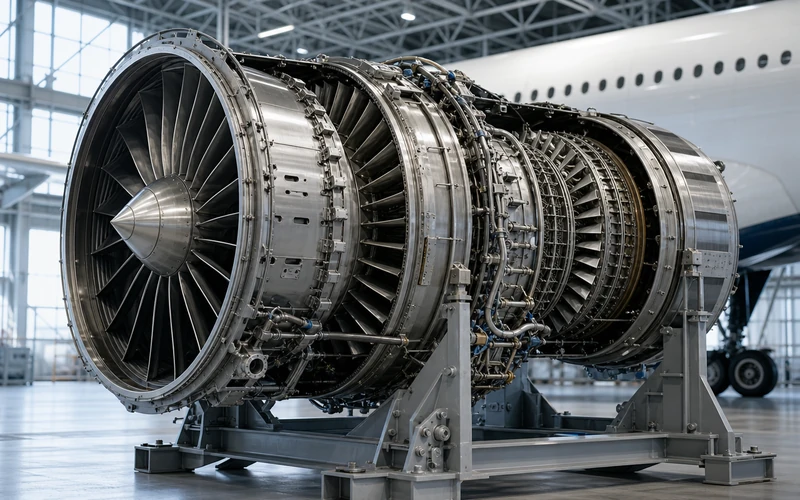
The heat resistance of Inconel surpasses most steel alloys and titanium. Gas turbines, rocket engines, and nuclear reactors use Inconel where extreme temperatures occur. The alloy resists oxidation and maintains structural integrity under thermal cycling.
Inconel contains nickel (50-55%), chromium (15-20%), and smaller amounts of iron, molybdenum, and niobium. This composition provides both strength and resistance to acidic environments. The material costs significantly more than steel but performs in conditions where steel fails.
Aerospace manufacturers specify Inconel for exhaust systems and turbine blades. Chemical plants use it in reactors handling corrosive substances at high temperatures.
Rank 5: Chromium
Chromium has a tensile strength around 689 MPa and yield strength near 550 MPa in its pure form. While lower than other metals on this list, chromium’s hardness and corrosion resistance make it valuable. It ranks as one of the hardest pure metals available.
Pure chromium is too brittle for most structural applications. Instead, metallurgy uses chromium as an alloying element in steel and other metals. Adding 10.5% or more chromium to steel creates stainless steel, which resists rust and corrosion.
Chromium plating deposits a thin protective layer on copper, brass, and steel parts. This process increases surface hardness and provides a mirror-like finish. The metal’s melting point of 1907°C allows use in refractory applications.
Chromium performs best as a performance-enhancing alloying element rather than a standalone structural material, much as it does when strengthening stainless steel.
What Are The Selection Tips For Choosing The Right Strong Metal?
Choosing the right strong metal starts with understanding the specific requirements of the project. Engineers must identify whether the part will face tensile loads, impacts, or compression forces. The application determines which metal properties matter most.
Consider the working environment when selecting materials. Metals for airframes need excellent strength-to-weight ratios and fatigue resistance. Parts exposed to extreme conditions require heat resistance to maintain structural integrity. Corrosion resistance becomes critical for components in marine or chemical environments.
Tool steels work well for cutting tools and drill bits because they maintain hardness under repeated use. Impact strength matters for parts that experience sudden forces or vibrations, favoring ductile alloys like steel over brittle metals like pure chromium.
Key factors to evaluate include:
- Tensile and yield strength requirements
- Operating temperature range
- Exposure to corrosive substances
- Weight limitations
- Budget constraints
- Availability in the supply chain
Steel production offers many alloy options that balance strength with cost. Some projects need the highest strength available, while others benefit from selecting a less expensive metal that still meets minimum requirements. Overengineering with unnecessarily strong materials wastes money and resources.
Check material availability before finalizing designs. Supply chain disruptions can delay projects if specific metals become hard to source. Having backup material options helps maintain production schedules.
Test samples when possible to verify the metal performs as expected under real conditions. Lab data provides guidance, but actual testing confirms the selection works for the specific application.
FAQs
What Is The Strongest Metal By Tensile Strength?
Tungsten is the strongest pure metal by tensile strength. It reaches about 1510 MPa. Some special steel alloys, like maraging steel, can beat this number under certain heat treatments.
What Is The Strongest Metal By Yield Strength?
Steel alloys reach the highest yield strength among common metals. Special grades like maraging steel can exceed 1900 MPa. This beats tungsten, titanium, Inconel, and chromium in typical use.
Is Hardness The Same As Strength?
No, hardness and strength are not the same. Hardness resists scratching or denting. Strength resists breaking or bending under load. A metal can rank high in one but low in the other.
How Is Tensile Strength Tested?
Tensile strength is tested by pulling a metal sample until it breaks. A machine applies the force. It records the force and the stretch. This data shows the stress at the breaking point.
Is Titanium Stronger Than Steel?
Titanium is not stronger than steel in raw tensile or yield strength. But titanium has a much better strength-to-weight ratio. This makes it a better choice when low weight matters more than raw strength.
Why Is Chromium Considered Strong If It’s Brittle?
Chromium is called strong mainly for its hardness and corrosion resistance, not its tensile strength. It is too brittle for standalone structural use. Instead, it strengthens alloys like stainless steel.
Learn More About Our Products?
Contact Now