

The Difference Between Metal and Steel
Metal is a naturally occurring element found in the Earth’s crust, while steel is a man-made alloy created by combining iron with carbon and other elements. This distinction matters because choosing between metal and steel affects strength, cost, and performance in construction, manufacturing, and consumer products.
This guide explains what defines a metal, how steel is made, and the key differences between the two materials. Readers will learn when to choose metal over steel and which option works best for common applications. The comparison covers composition, strength, cost, and practical uses to help readers make informed material decisions.
What Is Metal?
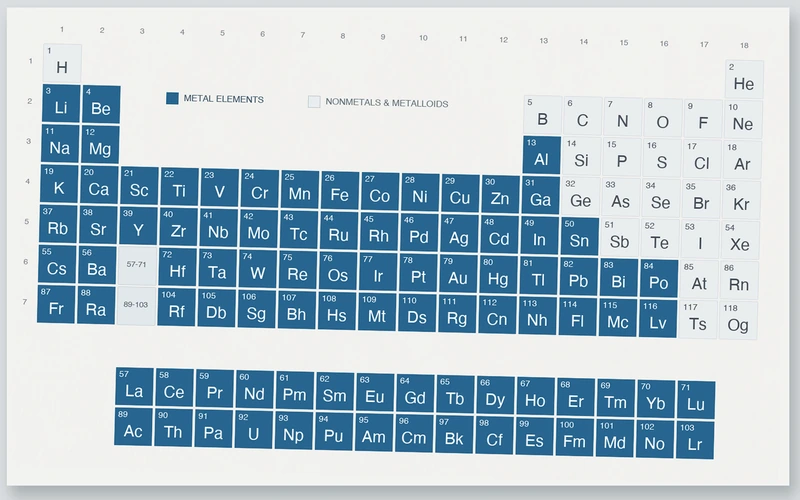
Metal is a naturally occurring element found in the Earth’s crust with specific physical and chemical properties. Metals appear on the periodic table as electropositive elements that can conduct electricity and heat.
Pure metals exist in nature or can be extracted from ore through mining and processing. Common examples include gold, silver, copper, aluminum, zinc, nickel, and mercury. Each metal has unique characteristics that make it useful for different purposes.
Key Properties of Metals:
- Electrical conductivity – metals allow electricity to flow through them easily
- Thermal conductivity – metals transfer heat efficiently
- Malleability – metals can be hammered or pressed into thin sheets without breaking
- Ductility – metals can be drawn into wires
- Magnetic properties – some metals like iron respond to magnets
Metals serve as the foundation for construction, electronics, and manufacturing. Builders use metals in construction for structural support. Copper provides electrical wiring. Aluminum makes lightweight components.
Around 90 of the elements on the periodic table are metals. Each metal offers different combinations of strength, conductivity, and workability.
What Is Steel?
Steel is an alloy made primarily from iron and carbon. The carbon content in steel typically ranges from 0.02 to 2.1 percent by weight.
The addition of carbon to iron creates a material that is stronger and more durable than pure iron. Steel manufacturing begins with iron ore, which is processed through smelting in a blast furnace to extract the iron. The iron is then combined with carbon and sometimes other elements to create different types of steel.
Common Steel Production Methods:
- Basic oxygen steelmaking
- Electric arc furnace processing
Main Types of Steel:
- Carbon steel contains mainly iron and carbon
- Alloy steel includes additional elements like manganese, chromium, or nickel
- Stainless steel contains at least 10.5 percent chromium for corrosion resistance
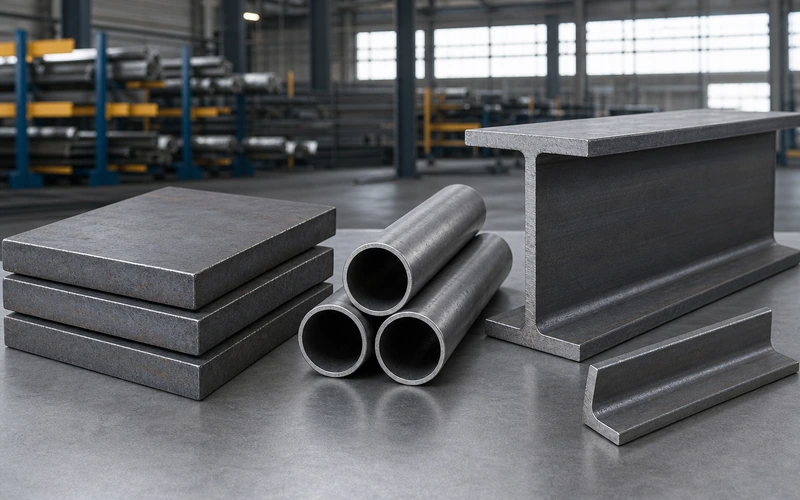
Steel belongs to the category of ferrous metals, which are metals that contain iron. The steel production process allows manufacturers to create materials suited for construction, manufacturing, and industrial applications. Steel beams, tools, and machinery parts are common products made from various steel alloys.
What Are The Differences Between Metal And Steel?
Metal refers to any element from a broad category of materials that includes iron, copper, aluminum, and dozens of others. Steel is a specific metal alloy made primarily from iron and carbon. The two differ in composition, physical properties, resistance to corrosion, weight characteristics, and economic factors.
Composition
Steel contains iron mixed with carbon and sometimes other elements like manganese, chromium, or nickel. The carbon content in steel ranges from 0.02% to 2.1% by weight. This specific mixture creates steel’s unique properties.
Metal is a general term that covers pure elements and alloys. Pure metals include iron, copper, aluminum, zinc, and gold. Each metal has distinct properties based on its atomic structure.
Steel cannot exist without iron and carbon together. Remove either component and the material becomes something else entirely. Pure iron is softer and less useful than steel for most construction and manufacturing purposes.
Strength And Durability
Steel ranks among the strongest materials available for construction and manufacturing. Its tensile strength ranges from 400 to 2,500 megapascals depending on the specific alloy and treatment. This strength comes from the carbon atoms that fit between iron atoms and prevent them from sliding past each other.
Different metals vary widely in strength. Aluminum has a tensile strength of 90 to 600 megapascals. Copper ranges from 200 to 400 megapascals. Titanium reaches 900 to 1,400 megapascals.
Steel’s hardness also exceeds most pure metals. Tool steel can reach 60 to 67 on the Rockwell C scale. Pure iron only measures about 4 on the same scale. This hardness makes steel suitable for cutting tools, machinery, and structural supports.
Durability depends on both strength and resistance to wear. Steel maintains its shape under repeated stress better than softer metals. A steel beam will support heavy loads for decades without permanent deformation. An aluminum beam of the same size would bend or fail much sooner.
Corrosion And Rust Resistance
Pure metals react differently to moisture and oxygen. Aluminum forms a protective oxide layer that prevents further corrosion. Copper develops a green patina that protects the metal underneath. Gold does not corrode at all under normal conditions.
Steel rusts when exposed to moisture and oxygen because of its iron content. The iron atoms react with oxygen to form iron oxide, which appears as red-brown rust. This rust flakes off and exposes fresh metal to further corrosion.
Stainless steel resists corrosion better than regular steel. It contains at least 10.5% chromium, which forms a thin protective layer on the surface. This layer repairs itself if scratched or damaged.
Carbon steel corrodes faster than stainless steel. Higher carbon content does not improve corrosion resistance. Protective coatings like paint, galvanization, or powder coating help prevent rust on carbon steel surfaces.
Weight And Density
Steel has a density of 7.85 grams per cubic centimeter. This makes it heavier than many other common metals. A cubic meter of steel weighs 7,850 kilograms.
Aluminum weighs 2.7 grams per cubic centimeter, making it about one-third as heavy as steel. Copper has a density of 8.96 grams per cubic centimeter, slightly heavier than steel. Titanium weighs 4.5 grams per cubic centimeter.
The weight difference matters in transportation and aerospace applications. Aircraft use aluminum alloys for the airframe to reduce weight, while high-strength steel still handles landing gear and other high-stress parts where load capacity matters most.
Steel’s higher density provides advantages in some uses. Heavy machinery and counterweights benefit from steel’s mass. The weight also contributes to stability in buildings and bridges.
Cost And Recyclability
Steel costs less than many other metals. The price ranges from $0.50 to $2.00 per kilogram for standard grades. Specialized steel alloys cost more. Aluminum costs $2.00 to $3.00 per kilogram. Copper costs $8.00 to $10.00 per kilogram.
Both steel and other metals can be recycled repeatedly without losing their properties. Steel maintains 100% of its strength after melting and reforming. Recycled steel requires 60% less energy to produce than new steel from iron ore.
Aluminum, copper, and other metals also have high recycling rates. Aluminum recycling saves 95% of the energy needed to produce new aluminum from bauxite ore. The recycling process works the same way for most metals: collection, sorting, melting, and reforming into new products.
When Should You Choose Metal?
Certain non-steel metals suit applications where conductivity or low weight matters more than raw strength. Copper and aluminum, for instance, conduct electricity and heat more readily than steel, so they fit wiring, heat management, and lightweight components rather than heavy load-bearing structures.
Choose non-steel metals when you need:
- Electrical conductivity – Copper wiring powers homes and buildings because it conducts electricity efficiently
- Lightweight construction – Aluminum provides strength without the weight of steel for transportation and aerospace
- Corrosion resistance in specific environments – Bronze and brass resist saltwater corrosion better than many steel types
- Decorative applications – Jewelry requires precious metals like gold, silver, and platinum for appearance and value
- Thermal management – Copper heat sinks cool electronics faster than steel alternatives
When Should You Choose Steel?
Steel is the best choice when a project requires high strength, durability, and cost-effectiveness. Construction projects like buildings, bridges, and infrastructure rely on steel because it can support heavy loads and resist wear over decades.
The steel industry produces material that performs well in extreme conditions. Steel withstands high temperatures, impacts, and stress better than most pure metals. This makes it ideal for automotive frames, machinery, tools, and manufacturing equipment.
Steel is preferred when:
- Structural integrity is critical (buildings, bridges, pipelines)
- High tensile strength is needed (vehicles, heavy machinery)
- Cost must stay low for large-scale projects
- Magnetic properties are required (electrical transformers, motors)
- Material must be readily available in large quantities
Recycling plays a major role in steel’s appeal. Steel can be recycled repeatedly without losing its properties, reducing the need for new iron ore extraction. Roughly 85-90% of steel gets recycled globally, lowering environmental impact compared to producing new steel from mining operations.
FAQs
Is Steel Just Iron?
No, steel is not just iron. Steel is an alloy of iron and carbon, and that carbon (about 0.02–2.1%) gives it far greater strength and hardness than pure iron, which is soft and rarely used structurally on its own.
Why Is Steel Not Considered A Pure Metal?
Steel is not a pure metal because it is an alloy, not a single element. It combines the metal iron with non-metallic carbon and sometimes other elements, so it falls outside the definition of a pure metallic element.
Is Stainless Steel A Metal Or An Alloy?
Stainless steel is an alloy. It blends iron, carbon, and at least 10.5% chromium, which forms a self-repairing protective layer that resists corrosion. Like all steels, it is a metallic alloy rather than a pure metal.
Which Is Stronger, Steel Or Titanium?
Steel is stronger in absolute terms, but titanium wins on strength-to-weight. Steel has higher ultimate tensile strength, while titanium is nearly as strong at roughly half the weight, which is why aerospace often favors it.
Can Steel Rust Like Other Metals?
Yes, most steel can rust. Its iron content reacts with moisture and oxygen to form red-brown iron oxide. Stainless steel resists this through its chromium layer, and coatings like paint or galvanization protect carbon steel.
Learn More About Our Products?
Contact Now