

3 Ways Temperature Affects Metal
Temperature affects metal in three main ways: it changes a metal’s size, its strength, and its electrical or magnetic behavior. Heat and cold do more than make metal feel hot or cold to the touch. They change how far it expands, how much load it can carry, and how well it conducts electricity or holds a magnetic field.
This guide draws on the material sourcing experience of SUMEC Metal, a global steel supplier that works with mills and manufacturers in many countries. It explains each of the three effects in plain terms, compares how common metals respond, and offers simple steps for choosing the right metal for a given temperature range. Quick answers to common questions appear at the end.
Why Does Temperature Change the Way Metal Behaves?
Metal is made of atoms packed close together. When metal heats up, these atoms vibrate faster and push against each other. When metal cools down, the atoms slow down and pull closer together. This simple fact explains most of what happens to metal at different temperatures.
Some changes go away once the metal returns to room temperature. For example, a metal part that expands in the sun will shrink back once it cools. Other changes stay even after the metal cools down. Heating steel to a very high temperature can permanently change its inner structure, its hardness, and its strength. Buyers and engineers need to know which type of change they are dealing with before they pick a metal for a project.
Way 1: Temperature Changes the Size of Metal
Metal grows a little bigger when it gets hot and shrinks back when it cools. This is called thermal expansion. It happens because heat makes atoms vibrate more and take up more space.
Different metals expand by different amounts. Among the steel grades SUMEC Metal supplies, stainless steel expands a bit more than plain carbon steel, while alloy steel grades generally sit close to carbon steel. For reference, aluminum expands roughly twice as much as carbon steel for the same rise in temperature, which is one reason steel remains the more dimensionally stable choice for many structural applications. The exact amount depends on the metal grade and the temperature range involved.
This matters most when different metals are joined together, or when a structure must handle both hot summers and cold winters. A bridge, a pipeline, or a building frame needs gaps and joints that allow for this movement. Without planning for expansion, parts can crack, bend, or pull apart. Buyers who need dependable dimensions across a wide temperature range often look at carbon steel plates and bars, since their expansion behavior is well documented and predictable for structural design.
Way 2: Temperature Changes the Strength and Toughness of Metal
Metal does not hold the same strength at every temperature. Heat and cold push metal’s strength in different directions, and both extremes bring their own risks.
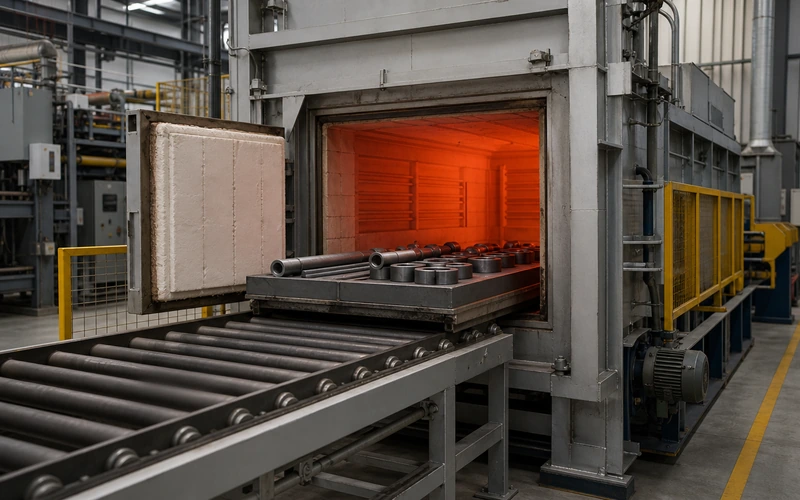
At high heat, most steel starts to lose strength. Many carbon steels lose a large part of their strength once they pass about 400°C. The metal becomes softer and bends more easily under load. If the load stays on for a long time at high heat, the metal can slowly stretch out of shape. This slow stretching is called creep, and it matters a great deal for boilers, furnaces, and power plant parts.
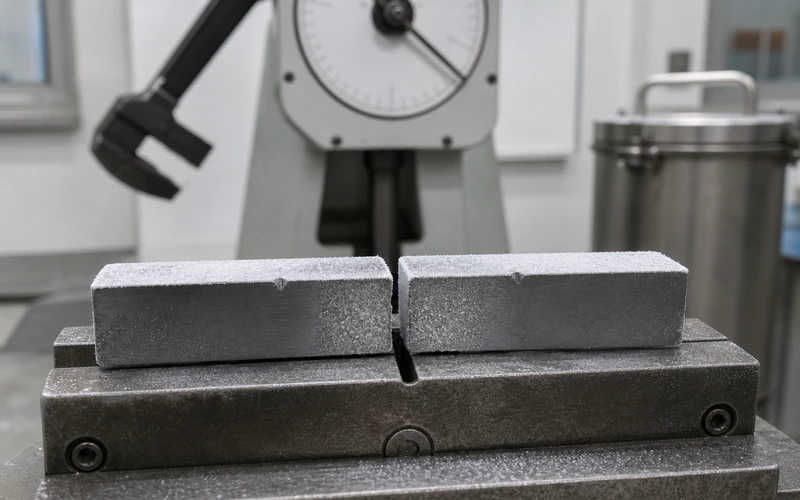
At low temperatures, the opposite problem shows up. Metal often becomes harder and stronger in the cold, but it also becomes more brittle. Below a certain point, called the ductile-to-brittle transition temperature, plain steel can crack suddenly instead of bending. This is why storage tanks and pipes built for very cold service, such as liquefied gas tanks, often use special grades, including some stainless steels and nickel-alloy steels, that keep their toughness at low temperatures. Manufacturers who need steel for demanding heat or cold conditions often review alloy steel and high-strength steel plate options, since these grades are built to handle tougher temperature swings than standard carbon steel.
Way 3: Temperature Changes the Electrical and Magnetic Behavior of Metal
Heat also changes how metal carries electricity and how it acts as a magnet. These changes matter most for electrical parts, motors, and sensors.
As metal heats up, its atoms vibrate more and get in the way of moving electrons. This raises electrical resistance and lowers conductivity in most metals, including common conductors such as copper and aluminum. Steel grades, including electrical steel, are affected the same way, which is why conductivity ratings are always tied to a specific temperature. Cooling metal down has the opposite effect: it lowers resistance and improves conductivity.
Magnetism also depends on temperature. Iron, cobalt, and nickel are magnetic at room temperature. As they heat up, their magnetism grows weaker. At a specific point, called the Curie temperature, each metal loses its magnetism completely. Iron loses its magnetism at around 770°C, while nickel loses it at a much lower temperature, near 358°C. Engineers designing motors, transformers, and sensors need to keep these limits in mind so the parts keep working as intended.
How Different Metals Respond to Temperature
Not every metal reacts to heat and cold in the same way. The table below gives a simple side-by-side look at how common metals behave, to help with quick comparisons.
| Metal | Expansion Rate | Behavior at High Heat | Behavior at Low Temperature |
| Carbon Steel | Moderate | Loses strength above ~400°C | Can turn brittle below 0°C |
| Alloy/Special Steel | Moderate | Holds strength longer, used in high-heat parts | Some grades stay tough in cold service |
| Stainless Steel | Slightly higher than carbon steel | Resists heat and oxidation well | Many grades stay tough at very low temperatures |
| Aluminum | High | Loses strength at high heat | Stays fairly ductile in the cold |
| Copper | Moderate to high | Conductivity drops as heat rises | Conductivity improves in the cold |
How to Choose the Right Metal for a Temperature Range
Picking the right metal is easier with a clear, step-by-step approach. The short list below covers the main points to check before placing an order.
- Check the full temperature range the part will face, including both normal use and short-term extremes.
- Decide if the heat exposure is short-term or long-term, since long-term heat brings creep into the picture.
- Compare expansion rates if two different metals will be joined or fitted together.
- Confirm whether the project standard requires a low-temperature toughness test.
- Ask the supplier for the metal grade’s tested performance at the actual working temperature, not just at room temperature.
FAQs
At what temperature does steel start to lose strength?
Most carbon steel starts to lose a noticeable amount of strength once it passes about 400°C. The exact point depends on the steel grade and how long it stays at that heat.
Does metal get stronger when it gets cold?
Yes, metal often gets stronger in the cold, but it can also become more brittle. Below a certain point, plain steel may crack suddenly instead of bending.
Which metal holds up best across a wide temperature range?
Alloy steel and certain stainless steel grades generally handle both heat and cold better than plain carbon steel. The best choice still depends on the exact temperature range and load.
Is the effect of temperature on metal always permanent?
No, not always. Simple expansion and contraction reverse once the metal returns to room temperature. Changes from very high heat, such as altered hardness, are often permanent.
Conclusion
Temperature affects metal in three clear ways. It changes a metal’s size through expansion, its strength and toughness through heat and cold, and its electrical or magnetic behavior through resistance and the Curie point. Carbon steel, alloy steel, stainless steel, aluminum, and copper each respond a little differently, so the right choice depends on the exact working temperature and the load the part must carry. Checking these three effects early in a project can prevent cracked joints, weakened parts, and unexpected failures later on.
Choosing a metal that matches the working temperature is one of the most practical steps in any steel project. Readers who want to review available grades, specifications, and supply options can visit the SUMEC Metal contact page to discuss project details with the team.
Learn More About Our Products?
Contact Now