

The Benefits of Recycling Scrap Metal: Environmental, Economic, and Supply Chain Value
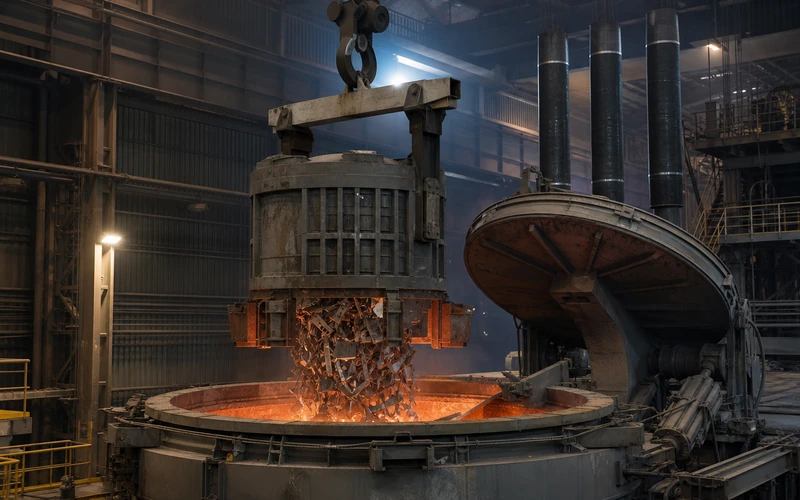
Recycling scrap metal saves energy, cuts carbon emissions, and keeps valuable material inside the supply chain. Industry data shows that recycling one tonne of steel saves roughly 1.4 tonnes of iron ore and 0.8 tonnes of coal. Melting that scrap in an electric arc furnace (EAF) can cut CO₂ emissions by more than half compared with the blast furnace route.
This article was prepared by the steel supply chain team at SUMEC Metal, a steel supplier founded in 1978 and listed on the Shanghai Stock Exchange. It draws on publicly reported industry figures for energy use, carbon intensity, and scrap demand. Readers will learn the environmental, economic, and procurement benefits of scrap metal recycling, which metals pay back most, where the real limits sit, and what buyers can do next.
What Is Scrap Metal Recycling and Why Do Its Benefits Matter Now?
Scrap metal recycling is the process of collecting used or leftover metal, sorting it, shredding it, and melting it into new metal products. The metal does not lose its basic properties in this loop. Steel and aluminum can be melted and reformed many times over.
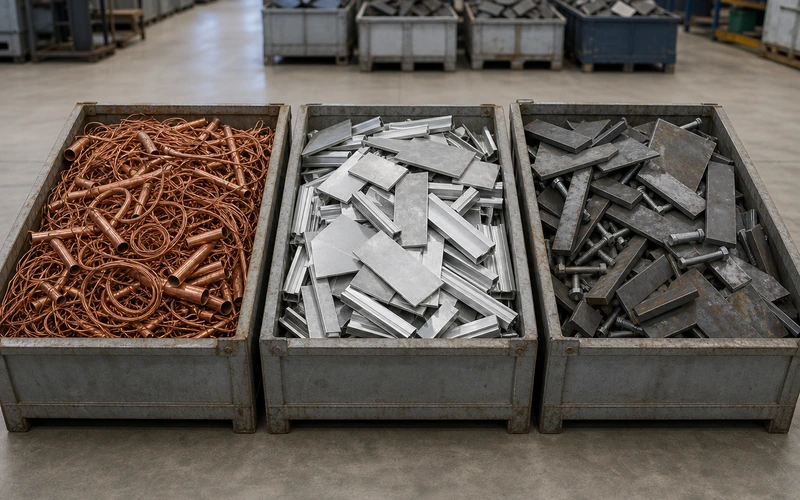
The industry sorts scrap into three groups — for example, home scrap from inside a mill, prompt scrap from factory offcuts, and obsolete scrap from old cars, buildings, and appliances. Each group feeds the same furnaces, but the cleanliness of the material differs.
The benefits matter more today than a decade ago. Carbon rules such as the EU Carbon Border Adjustment Mechanism (CBAM) now put a price on the emissions inside imported steel. Buyers also face ESG reporting duties from their own customers. Scrap metal recycling has moved from a waste topic to a sourcing topic.
The Environmental Benefits of Recycling Scrap Metal
The environmental case for recycling scrap metal rests on two simple ideas. Recycled metal skips the mining and ore-reduction stages, which use the most energy. It also keeps metal out of landfill. The two effects below show up in almost every published study.
Energy Savings and Lower Carbon Emissions from Recycled Metal
Recycling scrap metal uses far less energy than making metal from ore. Studies report energy savings of about 56% to 74% for steel and about 92% to 95% for aluminum. The gap comes from the ore-reduction step, which recycled metal does not need.
Carbon emissions fall in the same way. Blast furnace–basic oxygen furnace (BF-BOF) steel produces roughly 2.3 tonnes of CO₂ per tonne of steel. Scrap-fed EAF steel produces roughly 0.3 to 0.7 tonnes, depending on the power mix and the scrap grade. One tonne of recycled steel is often linked to a saving of about 1.5 tonnes of CO₂.
Less Mining, Less Landfill, and Less Pollution
Every tonne of scrap that returns to a furnace is a tonne of ore that stays in the ground. That means less open-pit mining, less habitat loss, and less mine waste. Recycling also reduces water use and water pollution across the production chain.
Landfill pressure drops too. Metal does not break down in the ground. Some scrap also carries coatings or oils that can leak into soil and water if it is dumped. Sending that metal back to a mill removes the risk and frees landfill space for true waste.
The Economic Benefits of Recycling Scrap Metal
Environmental gains often arrive with financial gains attached. Recycling scrap metal lowers input costs at the mill and creates activity across a long chain of businesses. The two sections below split the effect into direct savings and wider economic value.
Cost and Resource Savings Across the Metal Value Chain
Scrap is usually cheaper to melt than ore is to reduce. A mill that runs on scrap avoids coke, sinter, and much of the heat load of a blast furnace. Lower energy use means lower cost per tonne, and part of that saving passes down to buyers.
Scrap also carries useful alloying elements — for example, nickel, chromium, and molybdenum. Stainless steel scrap already holds nickel and chromium, so mills need less virgin alloy. That trims cost on grades where alloy prices swing hard.
Jobs, Trade Value, and Local Economic Impact
The recycling chain employs a large workforce. Collection, sorting, shredding, logistics, and trading all sit between the scrap yard and the furnace. Published estimates place scrap recycling well above landfill and incineration in jobs created per tonne of material handled.
Scrap is also a traded commodity with real export value. Countries with mature collection systems — for example, the United States, Germany, and Japan — supply scrap to mills worldwide. That flow supports port, transport, and processing work in both directions.
How Recycling Scrap Metal Benefits Manufacturers and Steel Buyers
The two points above explain why recycling matters to the planet and to the wider economy. The next question is narrower. What does scrap metal recycling change on a purchase order? Two effects show up most often in procurement work.
Lower Embodied Carbon for ESG Reporting and CBAM Compliance
Steel with high recycled content carries lower embodied carbon. That figure now feeds directly into customer audits, Scope 3 reporting, and CBAM declarations. A buyer who can show a lower carbon value per tonne faces a smaller compliance burden at the border.
Documentation is the practical issue. Recycled content and carbon intensity need mill data, not estimates. Buyers should ask for the production route, the scrap share, and any third-party verification before the order is placed. Semi-finished items such as billets, blooms, and slabs are a sensible place to start, because they sit one step from the melt shop, where the route and scrap share are recorded.
A More Resilient Raw Material Supply
Scrap supply reacts differently from ore supply. Ore depends on a small number of large mines and long sea routes. Scrap is collected close to where metal is used, so it sits nearer to many mills. That shortens part of the chain.
The result is a second source of feedstock rather than a full replacement. When a region draws on both scrap-based and ore-based mills, buyers have more room to move if freight rates spike or a mine stops. For buyers of standard carbon steel products, that flexibility can steady both lead times and price.
Which Metals Offer the Greatest Recycling Benefits?
Not every metal returns the same value when it is recycled. The table below compares steel with three other common metals on energy saving, recyclability, scrap sources, and end uses. Steel is the focus here; the others are included for context.
| Metal | Energy saved vs. primary production | Recyclability | Common scrap sources | Typical recycled uses |
| Carbon steel | About 56%–74% | Can be recycled many times without loss of strength | Old cars, demolished buildings, appliances | Rebar, beams, hot-rolled coil |
| Stainless steel | High; scrap also supplies nickel and chromium | Recycled repeatedly; new stainless is commonly made with a high share of recycled input | Kitchen equipment, tanks, process piping | Sheet, plate, tube |
| Aluminum | About 92%–95% | Can be recycled many times | Cans, window frames, car parts | Cans, extrusions, auto parts |
| Copper | Up to about 85% | Recycled with little loss of conductivity | Wiring, motors, plumbing tube | Wire, tube, electrical parts |
Steel delivers by far the largest total benefit, because it is recycled in the highest volume of any metal. Non-ferrous metals save more energy per tonne, but the volumes involved are much smaller.
The Limits of Scrap Metal Recycling
The benefits are real, but they are not unlimited. Buyers who understand the constraints make better sourcing choices, and three constraints come up again and again.
Scrap supply is finite. The world can only recycle the metal it has already produced, and demand still grows faster than old metal returns. Primary steel from iron ore remains necessary for part of global supply.
The power source decides the carbon result. An EAF running on coal-fired electricity saves far less CO₂ than one running on renewable power. The furnace type alone does not prove a low-carbon claim.
Contamination limits the grade. Residual copper and tin in mixed scrap can lower ductility and surface quality. High-end flat products, deep-drawing grades, and some special steels still need a share of clean primary material.
How to Capture the Benefits of Recycling Scrap Metal in the Supply Chain
Understanding the benefits is one thing. Building them into a purchase is another. The four steps below move a buyer from general interest to measurable results.
- Match the grade to the scrap route. Confirm early whether a grade tolerates a high recycled input. Structural and general engineering grades usually do; tight-tolerance surface grades often need cleaner feedstock.
- Define the grade before quoting. Agree on the chemical limits and the finished steel grade in writing. This prevents disputes over residual elements later.
- Ask for production and carbon data. Request the production route, recycled content share, and CO₂ intensity per tonne. Verified mill data supports CBAM and ESG filings; an estimate does not.
- Work with a traceable supply chain. Choose partners who can name the mill, track the shipment, and hold the documents together. Traceability is what turns a recycling benefit into a provable number.
FAQs
How much CO₂ does recycling scrap metal save?
Recycling one tonne of steel scrap saves roughly 1.5 tonnes of CO₂. Scrap-based EAF steel emits about 0.3–0.7 tonnes of CO₂ per tonne, against about 2.3 tonnes for the blast furnace route.
Can steel be recycled indefinitely?
Yes. Steel can be melted and reformed many times without losing its basic mechanical properties. Quality depends on removing contaminants such as copper and tin, not on the number of recycling cycles.
Is recycled steel cheaper than steel made from iron ore?
Often, but not always. Scrap-based production uses less energy, which lowers cost. Scrap prices move with demand, so in tight markets the gap narrows or reverses.
What is the difference between EAF and BF-BOF steel?
An EAF melts scrap with electricity. A BF-BOF reduces iron ore with coke, then refines it with oxygen. EAF steel usually carries lower embodied carbon when the power supply is clean.
Conclusion
Recycling scrap metal delivers three linked benefits: lower energy use and emissions, lower input costs across the value chain, and a steadier feedstock supply for mills and their customers. Steel gains the most in total volume, while non-ferrous metals save more energy per tonne. The limits are equally clear — finite scrap, power-dependent carbon results, and contamination risk in high-end grades. Buyers capture the value by specifying grades early, asking for verified mill data, and working with a traceable chain. Readers who want to explore steel products and supply chain options in more detail can visit SUMEC Metal or reach the team through its contact page.
Learn More About Our Products?
Contact Now