
What Are Metals That Don’t Rust? Essential Guide for Durability
Metals that don’t rust include stainless steel, aluminum, copper, brass, bronze, titanium, gold, silver, and platinum. These materials resist rust because they either don’t contain iron or have protective properties that prevent corrosion. Galvanized steel and specially coated metals also offer rust resistance through added protection layers.
This article explains why these metals resist rust, how their protective mechanisms work, and which metal fits different projects best. It covers the science behind corrosion resistance, compares common rust-proof metals, and provides guidance on selecting the right material for specific needs.
What Does It Mean for a Metal to Not Rust?
A metal that doesn’t rust either contains no iron or has a protective layer that blocks oxygen and moisture from reaching the metal surface. Rust specifically refers to iron oxide, which only forms on metals containing iron.
Rust is a specific type of corrosion. Corrosion describes any chemical reaction that breaks down metal when it reacts with its environment. Rust is the reddish-brown substance that appears when iron reacts with oxygen and water.
The rusting process requires three elements:
- Iron in the metal
- Oxygen from air or water
- Moisture or water as a catalyst
When these three combine, iron atoms bond with oxygen to create iron oxide. This reaction weakens the metal and creates the flaky, reddish-brown coating people recognize as rust.
The difference between rust and corrosion matters. All rust is corrosion, but not all corrosion is rust.
Key differences between rust and corrosion:
- Rust – Iron oxide that flakes and allows continuous metal breakdown
- Oxidation – A reaction between oxygen and metal that can protect or damage
- Corrosion – Metal deterioration from chemical reactions (includes rust and oxidation)
Which Metals Don’t Rust?
Several metals resist rust because they don’t contain iron or have protective barriers that prevent corrosion. Rust only forms on metals that contain iron when exposed to oxygen and moisture.
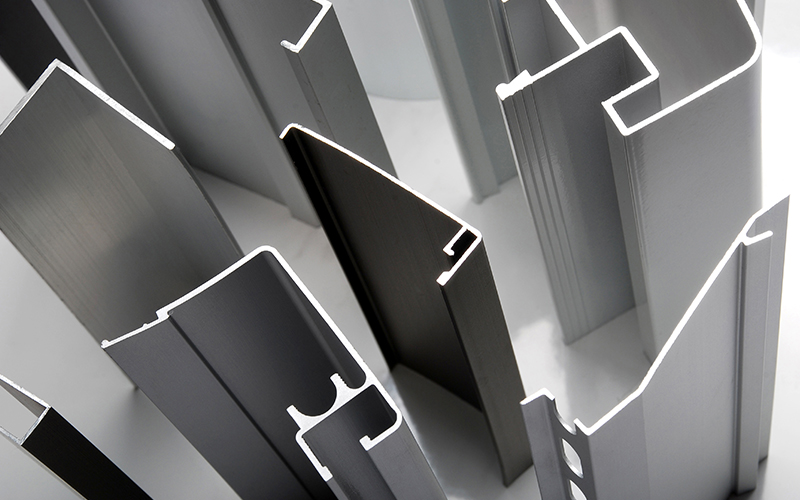
The table below shows the metals that don’t rust:
| Metal | Rust Resistant | Protective Layer |
| Aluminum | Yes | Aluminum oxide |
| Copper | Yes | Green patina |
| Brass | Yes | Tarnish layer |
| Bronze | Yes | Patina |
| Stainless Steel | Yes | Chromium oxide |
| Titanium | Yes | Titanium oxide |
Why Doesn’t Stainless Steel Rust?
Stainless steel resists rust because chromium in the metal reacts with oxygen to form a protective layer called chromium oxide. This thin film covers the entire surface and blocks water and air from reaching the iron underneath.
Key elements in stainless steel include:
- Chromium – Creates the protective oxide layer (minimum 10.5%)
- Nickel – Helps stabilize the protective film and improves durability
- Molybdenum – Adds extra resistance to corrosion in harsh conditions
- Iron – Forms the base metal
- Carbon – Present in small amounts for strength
The chromium oxide layer repairs itself automatically. When stainless steel gets scratched or cut, new chromium from below the surface reacts with oxygen to rebuild the protective film.
Stainless steel is not completely rust-proof. It can corrode in certain conditions, such as exposure to salt water or strong chemicals. The protective layer works best in normal air and water environments.
Why Doesn’t Aluminum Rust?
Aluminum does not rust because rust is iron oxide, and aluminum contains no iron. When aluminum meets oxygen, it creates aluminum oxide instead.
This aluminum oxide forms a thin protective layer on the metal’s surface. The layer blocks more oxygen from reaching the aluminum underneath. The process happens within seconds of exposure to air.
Key differences between aluminum oxide and rust:
- Aluminum oxide stays attached to the metal
- Rust flakes off and exposes more iron
- Aluminum oxide stops corrosion
- Rust spreads and continues damaging metal
The protective layer is transparent and only a few nanometers thick. This makes aluminum ideal for roofing, gutters, window frames, and outdoor furniture without extra rust prevention treatments.
Salt water can create small holes called pits in aluminum. Alkaline substances like wet concrete also corrode aluminum. Aluminum is notably attacked by alkaline substances such as wet concrete, and strong acids can also corrode it, so neither extreme is ideal.
The oxide layer reforms immediately if scratched or damaged. This self-healing property keeps aluminum protected throughout its service life.
Do Copper, Brass, and Bronze Rust?
Copper, brass, and bronze do not rust because they contain little to no iron. Rust forms only when iron reacts with oxygen and moisture.
These three metals — known as the red metals — are rust-proof options for plumbing, roofing, electrical wiring, and decorative fixtures.
Copper turns blue-green when exposed to oxygen over time. This layer is called a patina. The patina protects the metal underneath from further damage. Copper roofing develops this protective coating naturally.
Brass is made from copper and zinc. It does not rust but can tarnish to a dark gray color. This tarnish is copper oxide that forms when brass meets air. The layer protects the metal from more corrosion. Brass works well for handrails and door fixtures.
Bronze combines copper and tin. Like brass, it cannot rust due to its lack of iron. Bronze develops a green patina in wet conditions. This often happens with bronze equipment near oceans or in marine settings.
Does Titanium Rust?
Titanium does not rust. Rust only forms on metals that contain iron, and titanium contains no iron.
What happens instead of rusting: Titanium forms a protective oxide layer when exposed to oxygen. This layer is different from rust because it shields the metal from further damage rather than breaking it down.
The oxide layer on titanium forms instantly. It measures between 1.5 and 10 nanometers thick. This self-healing property makes titanium ideal for aerospace components, marine hardware, chemical processing equipment, and medical implants — applications where corrosion failure carries a high cost.
This protective barrier makes titanium one of the most rust-proof metals available. It resists corrosion in harsh conditions where other non-rusting metals fail.
Titanium performs well in marine settings, chemical plants, and outdoor applications. The oxide layer prevents salt water, acids, and other corrosive substances from damaging the base metal.
The only downside is the oxide layer gives titanium a dull gray appearance. This makes it difficult to polish to a mirror finish compared to other metals.
Do Gold, Silver, and Platinum Rust?
These three precious metals contain no iron, making them rust-proof by definition.
Gold and platinum do not rust because they are highly resistant to oxidation. Silver does not rust either, but it can tarnish when exposed to sulfur compounds in the air.
Silver undergoes a different reaction. It develops a dark coating when it interacts with sulfur, but this tarnish differs from rust. The underlying metal remains intact.
Why These Metals Resist Oxidation
These metals hold onto their electrons tightly. Gold has the strongest resistance, followed by platinum, then silver. This property makes them valuable for equipment that must withstand harsh conditions.
| Metal | Rusts | Tarnishes | Oxidation Resistance |
| Gold | No | No | Highest |
| Platinum | No | No | Very High |
| Silver | No | Yes | High |
Common Applications for Non-Rusting Metals:
- Gold and platinum are used in electrical contacts and connectors, where even slight oxidation would disrupt signal transmission
- Electronics manufacturers choose gold for connections because oxidation would disrupt electrical signals
Does Galvanized or Coated Steel Resist Rust?
Galvanized steel resists rust through a protective zinc coating that prevents oxidation of the underlying steel. The zinc acts as a barrier between moisture and the base metal.
The zinc coating provides two types of protection. It blocks oxygen and water from reaching the steel surface. It also corrodes first, sacrificing itself to protect the steel beneath.
Common applications for galvanized steel include:
- Roofing panels and flashing
- Outdoor handrails and railings
- Construction equipment
- Fencing and gates
- HVAC ductwork
Galvanized steel is not completely rust-proof. The zinc coating wears down over time, especially in harsh conditions. Saltwater environments accelerate corrosion faster than normal outdoor exposure. Deep scratches or cuts that penetrate the zinc layer expose the steel to oxidation. Properly maintained galvanized steel can last 50 years or more before showing rust.
What Is Weathering Steel (Corten), and Why Does Its Rust Protect It?
Weathering steel is a group of low-alloy steels that forms a stable, protective rust layer which halts further corrosion. Its name reflects its two defining traits — corrosion resistance and high tensile strength.
The protective layer forms through oxidation when the steel is exposed to moisture and oxygen. This rust layer is different from regular rust because it creates a dense, stable barrier that protects the metal underneath. Regular rust on carbon steel is porous and flaky, which allows corrosion to continue eating away at the metal.
Key elements in weathering steel include:
- Copper (0.25-0.55%) – forms the protective patina
- Chromium (0.40-1.25%) – enhances rust resistance
- Phosphorus (0.01-0.20%) – improves corrosion protection
- Nickel and vanadium – provide additional strength
The protective patina takes about six months to fully develop under normal weather conditions. The steel needs wet and dry cycles to form the rust layer properly. Once formed, this layer regenerates continuously when damaged.
Weathering steel is not completely rust-proof. It performs poorly in environments where water pools on the surface or in areas with high humidity and salt exposure.
Common applications include bridges, roofing, handrails, sculptures, building facades, shipping containers, and railroad equipment. The material eliminates the need for painting when conditions allow proper patina formation. With proper drainage and suitable climate conditions, weathering steel structures can last 100 years or more.
Are Rust-Proof Metals Truly Corrosion-Proof?
Rust-proof metals are not fully corrosion-proof. Rust forms only on iron and steel when they react with oxygen and water. Corrosion affects all metals through chemical reactions with their environment. This means non-rusting metals like aluminum and stainless steel can still corrode under certain conditions.
Where Corrosion Happens on Non-Rusting Metals:
- Equipment in marine environments faces accelerated corrosion from salt exposure
- Roofing made from aluminum or copper develops surface oxidation over time
- Handrails manufactured from stainless steel can corrode at weld points or in areas where the protective oxide layer breaks down
How Do You Choose the Right Rust-Resistant Metal for Your Application?
Pick the metal based on three factors: the environment it will face, the strength required, and the budget available. Start by determining whether the application involves exposure to saltwater, chemicals, or just normal weather.
The table below shows the proper metal and their applications:
| Application | Best Choice | Alternative |
| Coastal handrails | 316 stainless steel | 5052 aluminum |
| Inland roofing | Galvanized steel | Aluminum |
| Chemical equipment | Titanium | 316L stainless steel |
| General outdoor use | 304 stainless steel | Galvanized steel |
No metal is truly rust-proof or maintenance-free. Even corrosion-resistant metals require proper care. Copper develops a green patina from oxidation. Aluminum shows white spots from its oxide layer. Stainless steel can pit if iron particles contaminate the surface.
When Should You Use a Protective Coating Instead of a Naturally Rust-Free Metal?
The choice usually comes down to cost, strength, and maintenance access. Coating carbon steel is far cheaper than buying stainless or titanium, but coatings wear over time and need periodic inspection. Naturally rust-free metals cost more upfront yet require almost no upkeep.
Choose a protective coating when the base metal already meets the mechanical demands but needs environmental protection:
- The structure needs steel’s load-bearing strength but operates in humid or coastal conditions
- Existing on-site steel equipment is cheaper to coat than to replace
- Budget is tight—a quality epoxy system protects carbon steel for a fraction of stainless steel’s material cost
Choose a naturally rust-free metal when:
- Salt spray or harsh chemicals hit the surface daily
- Maintenance access is difficult or impossible after installation
- Weight reduction matters more than upfront cost
FAQs
Which metals are most resistant to rust and corrosion in everyday use?
Stainless steel ranks as the top everyday choice. Its chromium content forms a self-healing oxide layer—Grade 304 suits indoor use, Grade 316 handles salt air. Aluminum, copper, brass, and titanium also resist rust well across common applications.
What is the cheapest metal option that will not rust for outdoor projects?
Galvanized steel offers the best value for outdoor projects. Its zinc coating corrodes first, shielding the steel beneath—ideal for fencing, roofing, and fasteners. Corten steel is another low-cost option, forming a stable protective rust layer that needs no paint.
Which metals are best for jewelry if you want to avoid rust and tarnish?
Platinum resists both rust and tarnish better than any jewelry metal. Pure gold won’t rust or tarnish, especially at higher karats. Titanium and 316L stainless steel offer affordable, durable choices. Silver won’t rust but tarnishes from airborne sulfur.
Learn More About Our Products?
Contact Now