

An Intro to Electroplating: How a Thin Layer Adds Major Value to Steel
Electroplating is a common electrochemical process that adds a thin, even metal coating to steel surfaces. This simple yet powerful method improves steel’s natural strengths, like durability and shapeability. It also adds key benefits: better resistance to rust and wear, plus a more polished look. Electroplating turns plain steel into a high-quality material for countless industries, from cars and planes to construction and everyday home goods.
In this article, we’ll explain the difference between electroplating and hot-dip galvanizing , how each process works at a basic chemical level, and the main steps involved. We’ll also cover the most common metals used for coating, their unique benefits, real-world uses, and key advantages of coated steel. Finally, we’ll answer frequently asked questions to show just how much value this thin coating brings to steel products.
What is Steel Electroplating?
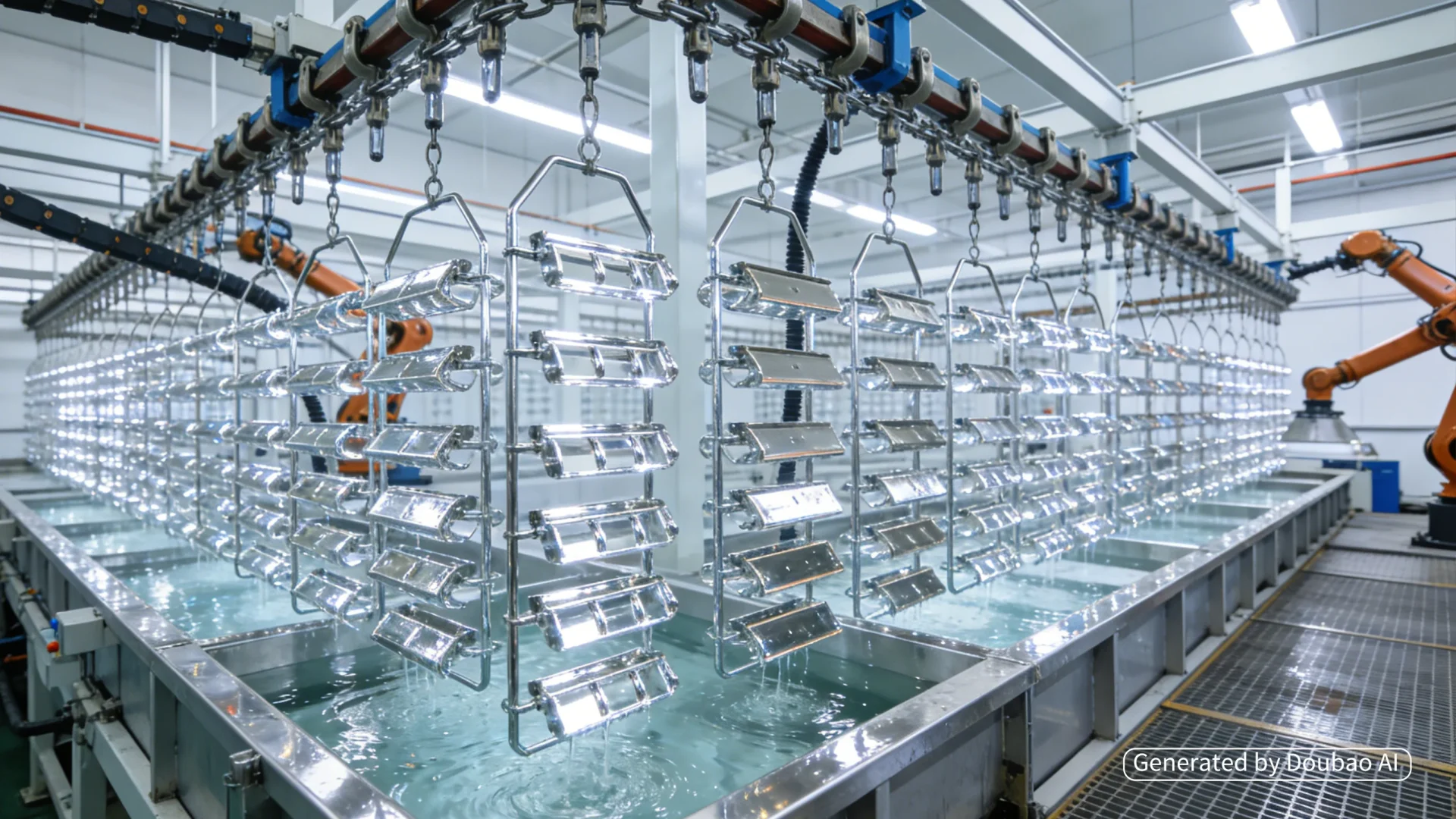
Steel electroplating is an electrolytic process that uses electricity to add a metal coating to steel. Unlike paint or basic dip coatings, electroplating forms a strong metallic bond between the coating and the steel base. This means the layer sticks tightly to the steel, instead of just resting on top, for long-lasting results.
Low carbon steel is the most common type of steel used for electroplating. It works well because it conducts electricity easily and is simple to shape. The plating layer itself is very thin, usually only a few to tens of micrometers thick. Manufacturers pick different plating metals based on what the final steel product needs: rust protection for outdoor parts, scratch resistance for car parts, or a shiny finish for household items.At its core, electroplating fixes steel’s biggest flaws:poor rust resistance and low wear resistance in some cases. It does this without taking away steel’s best traits, like strength, easy shaping, and low cost. This makes electroplated steel a cheap, effective upgrade from plain steel or more expensive alloy steels for most uses.
What is Hot-Dip Galvanizing?
For large steel surfaces like sheets and coils, hot-dip galvanizing is the preferred method. The steel is cleaned, fluxed, and then dipped into a bath of molten zinc. The zinc reacts with the iron in the steel to form a series of zinc-iron alloy layers, topped by a layer of pure zinc. This creates an incredibly durable, thick coating that bonds metallurgically to the steel.
At SUMEC Metal, we supply high-quality hot-dip galvanized steel coils (GI) and galvalume steel coils (GL – aluminum-zinc alloy coated). These products offer exceptional corrosion resistance for outdoor construction, agricultural buildings, solar panel mounting structures, and home appliances. For a deeper dive into our coated steel product line, visit our product page: https://www.sumecmetal.com/steel-products/
Key differences at a glance:
| Feature | Electroplating (for parts) | Hot-Dip Galvanizing (for sheets/coils) |
| Coating Thickness | Thin (5-30 μm) | Thick (45-85 μm+) |
| Process | Electrolytic, room temperature | Dipping in molten zinc (450°C) |
| Best for | Small, complex parts (bolts, clips, electronics) | Large, flat, or structural steel (sheets, beams, pipes) |
| Corrosion Life | Moderate (years, depending on environment) | Long (decades, even in harsh outdoor environments) |
| Typical Products | Fasteners, car trim, electronic connectors | Roofing sheets, wall panels, structural sections |
What’s the Difference Between Electroplating and Hot-Dip Galvanizing?
- Electroplating uses electricity to deposit a thin metal layer (usually 5-30 μm) onto small, complex parts like bolts, nuts, car trim, or electronic components. Common metals include zinc, nickel, chrome, and tin.
- Hot-Dip Galvanizing involves dipping steel (typically sheets, coils, beams, or pipes) into molten zinc at high temperatures (around 450°C), creating a thicker, metallurgically bonded coating (typically 45-85 μm). This method is ideal for large, structural steel products that require long-term outdoor corrosion resistance.
At SUMEC Metal, we specialize in hot-dip galvanized and galvalume steel coils – the go-to choice for roofing, wall panels, structural framing, and household appliances. If you’re working with large-format steel, skip the electroplating line and go straight to the galvanizing kettle.
How Electroplating Works: Basic Chemical Principles
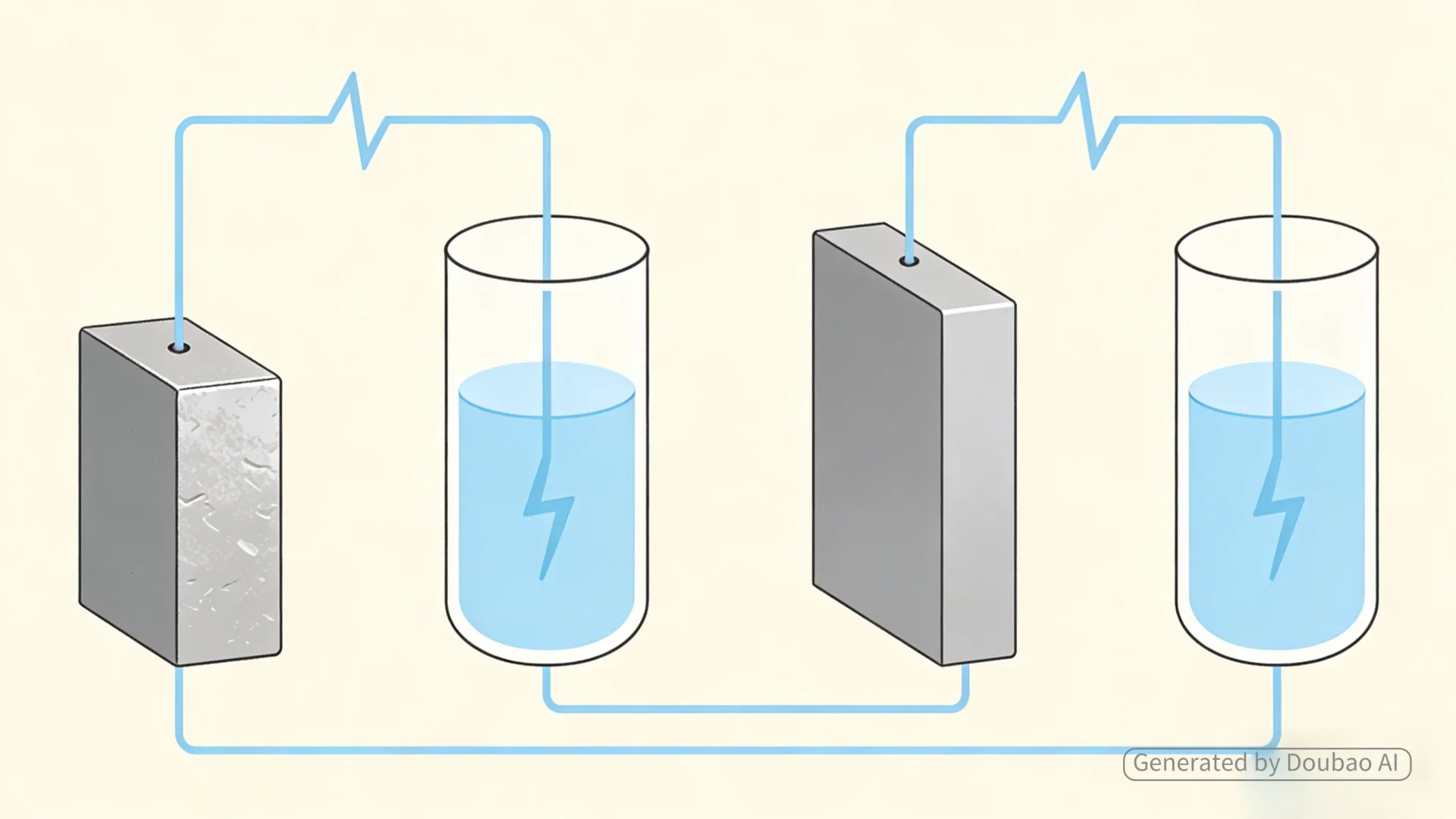
Electroplating uses electrolysis, a chemical reaction powered by direct electric current (DC). This current moves metal ions so they stick to a conductive surface — in this case, the steel part. The process happens in an electrolytic cell, a setup with three main parts all soaked in a liquid called an electrolyte:
- Anode: A solid piece of the metal that will coat the steel (such as zinc, nickel, or copper). When electricity flows, the anode metal breaks down into positively charged ions and mixes into the electrolyte.
- Cathode: The steel piece being plated. The electric current pulls the positively charged metal ions from the electrolyte toward the negatively charged steel cathode.
- Electrolyte: A water-based mix with dissolved salts of the plating metal, plus small additives like brighteners or stabilizers. The electrolyte carries electricity and keeps a steady supply of metal ions for plating. Additives also make sure the coating is smooth and even.
The Core Chemical Reaction
When the DC power is turned on, the anode metal loses electrons and dissolves into the electrolyte as ions. These ions move through the liquid to the steel cathode. There, the ions gain electrons and turn back into solid metal, sticking to the steel surface in a thin, even layer. Over time, this layer builds up to the exact thickness needed for the job.
The whole process is carefully controlled. Factors like electric current strength, temperature, electrolyte acidity, and plating time all affect the coating’s thickness, evenness, and quality. This control ensures the finished plated steel meets industry standards.
Key Steps in the Steel Electroplating Process
Electroplating is not a single step — it follows a set order: surface prep, plating, and post-treatment. Surface preparation is the most important step. The steel must be completely clean for the plating to bond well. Skipping or rushing this step leads to peeling, uneven coating, or weak adhesion, which ruins the whole process. Below are the standard industrial steps for steel electroplating:
- Surface Preparation (Critical Step): Workers use alkaline cleaners to remove oil and grease, then soak the steel in mild acid to dissolve rust and oxide layers.
- Rinsing: The steel is rinsed with purified water between every chemical step.
- Electroplating: The cleaned steel (cathode) and plating metal anode are placed into the electrolyte. A DC current is applied for a set time.
- Post-Treatment: This may include passivation (for zinc), sealing, polishing, and drying.
Common Plating Metals for Steel & Their Benefits
The coating metal chosen depends on how the finished steel product will be used. Below are the most widely used metals:
- Zinc Plating (Electroplated) : Low-cost, great rust protection via cathodic protection. Used for bolts, nuts, small brackets.
- Hot-Dip Zinc (Galvanized Steel / GI) : Thick, durable, ideal for roofing, wall panels, structural steel. This is a core product at SUMEC Metal.
- Galvalume (Aluminum-Zinc Alloy / GL) : Offers even better corrosion resistance than standard galvanized steel, especially in high-heat or marine environments. Also a key SUMEC Metal product.
- Nickel Plating: Smooth, bright finish. Used for car trim, appliances, hydraulic parts.
- Chrome Plating: Extremely hard, mirror-like finish. Used for car bumpers, bathroom fixtures, industrial machine parts.
- Copper Plating: Soft, highly conductive. Used as a base layer for other platings or for electrical parts.
- Tin Plating: Non-toxic, food-safe. Used for food cans and solderable electronic parts.
Why Coat Steel? (For Both Processes)
Adding a thin metal layer — whether by electroplating or hot-dip galvanizing — brings tremendous value:
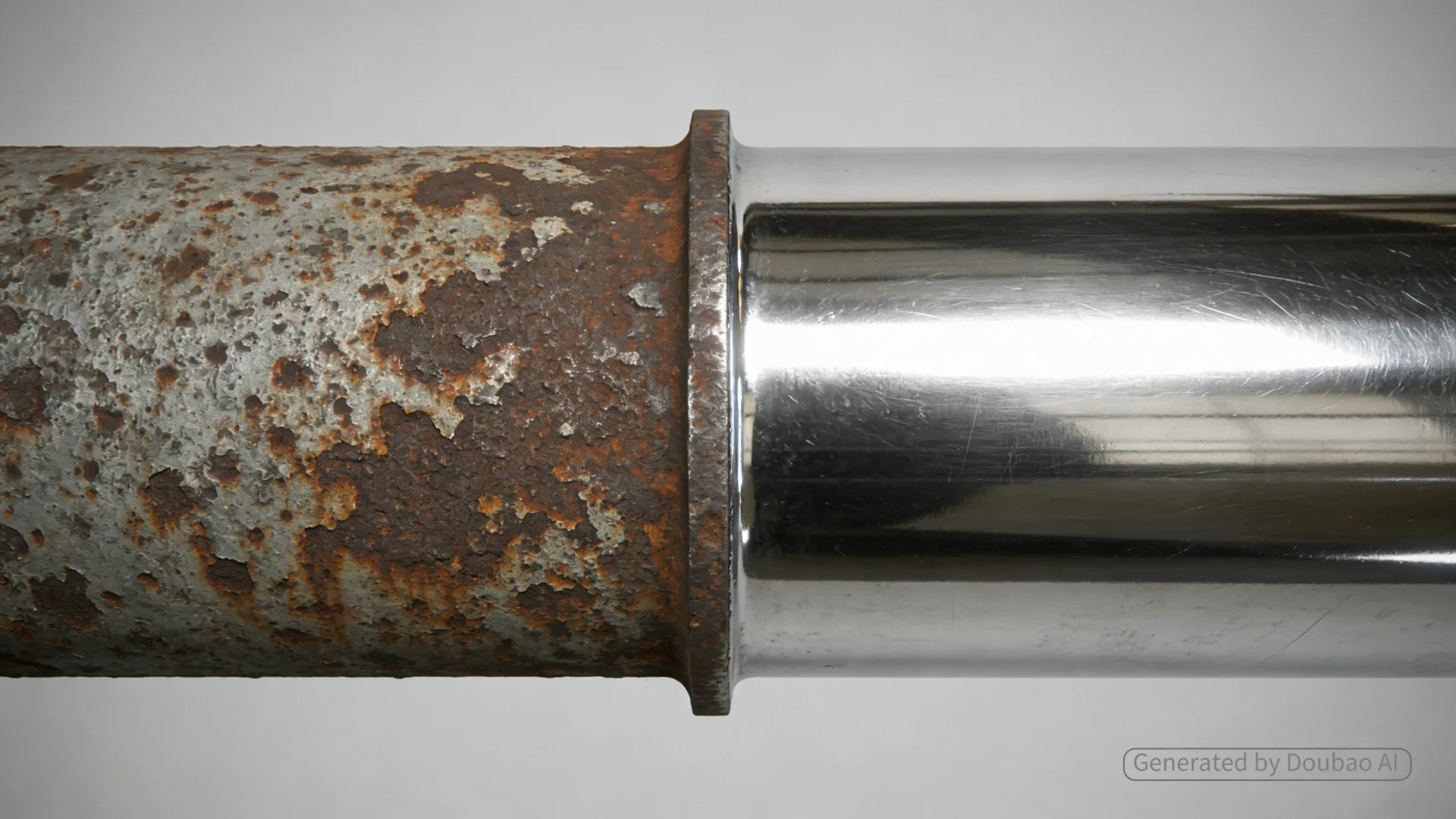
- Better Rust Resistance: The biggest benefit. Zinc, galvalume, nickel, and chrome stop steel from rusting.
- Stronger Wear & Scratch Resistance: Hard metals like chrome and nickel protect steel surfaces from rubbing and scratching.
- Customizable Looks: Nickel and chrome create shiny finishes; galvanized steel can be left as-is or prepainted.
- Improved Functional Traits: Like electrical conductivity (copper) or easy soldering (tin).
- Cost-Effective Performance: Coated carbon steel offers excellent performance at a lower cost than many specialty alloys. That said, different materials suit different applications. SUMEC Metal also supplies stainless steel, specialty steel, and high-temperature alloys for projects that demand their unique properties — such as extreme corrosion resistance or high-temperature strength.
- Even Coating: Electroplating can coat complex shapes including interior surfaces that paint cannot easily reach. Hot-dip galvanizing uniformly coats all surfaces of large steel sheets and structural shapes.
- Longer Product Life: By blocking rust and wear, coated steel products last longer, reducing replacement costs and waste.
Real-World Industrial Uses for Electroplated Steel
Coated steel is a standard material in nearly every manufacturing industry:
- Automotive: Zinc-plated bolts, nickel-chrome trim, hard chrome engine parts.
- Construction: Hot-dip galvanized steel coils (GI) and galvalume steel coils (GL) for roofing, wall panels, structural framing, solar mounting systems, and agricultural buildings.
- Consumer Goods: Chrome bathroom fixtures, nickel-plated appliances, tin cans.
- Aerospace & Defense: Hard chrome aircraft parts, zinc-plated structural steel.
- Electronics: Copper-plated connectors, tin-plated solderable parts.
- Industrial Manufacturing: Hard chrome machine shafts, zinc-plated conveyor belts.
FAQs About Steel Coating
Is coated steel the same as stainless steel?
No. Stainless steel is an alloy with built-in corrosion resistance. Coated steel is carbon steel with a thin metal layer on top. Both have their place. For large-scale construction where cost is a primary factor and corrosion protection is moderate, coated carbon steel (like hot-dip galvanized) is often the best choice. For applications requiring extreme corrosion resistance, high heat tolerance, or a specific aesthetic, stainless steel or specialty alloys (which SUMEC Metal also supplies) may be more appropriate.
How long does coated steel last?
For hot-dip galvanized steel (GI), 45-85 μm of zinc can last 20-50 years outdoors in mild to moderate environments. Galvalume (GL) often performs even longer. Electroplated zinc on small parts typically lasts several years, depending on environment and thickness.
Can all types of steel be coated?
Nearly all carbon steels work for both electroplating and hot-dip galvanizing. Low carbon steel is the most common. Stainless steel can also be coated, but it’s rarely needed due to its own corrosion resistance.
Is coating steel an eco-friendly process?
Modern coating facilities are much cleaner than older methods, with closed-loop water systems, metal recycling, and wastewater treatment. Plus, coating extends steel’s lifespan, reducing material waste and replacement frequency.
Can coated steel be welded or painted?
Yes. For hot-dip galvanized steel, welding requires proper ventilation (zinc fumes), and painting is easy after a simple surface wipe or light sanding. Many prepainted steel coils start with a hot-dip galvanized base.
Final Thoughts
Whether you need a thin, precise electroplated layer for small parts or a thick, durable hot-dip galvanized coating for large steel coils, the principle is the same: a thin layer of metal adds massive value to steel.
For architects, contractors, and manufacturers working with large-format steel, SUMEC Metal is your reliable partner for hot-dip galvanized steel coils (GI) and galvalume steel coils (GL). These products deliver decades of corrosion protection at a competitive price point.
Explore our full range of coated steel products here: https://www.sumecmetal.com/steel-products/
Learn More About Our Products?
Contact Now