

South Korea Surges Past Canada as Top US Steel Products Supplier
The US steel import landscape just got a major shakeup. South Korea has overtaken Canada as the largest foreign supplier of steel products to the American market, according to data from the American Iron and Steel Institute and the Korea Iron & Steel Association.
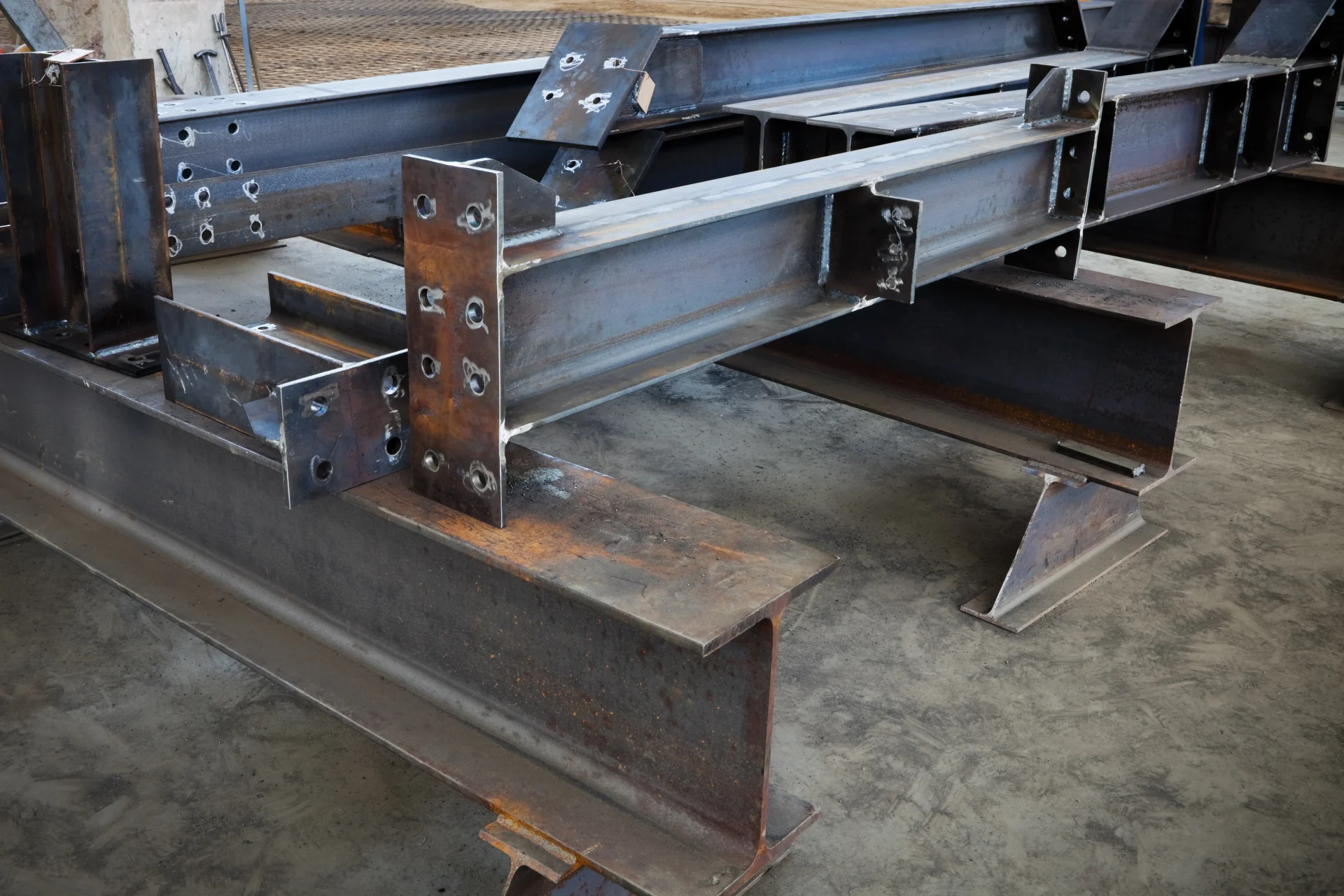
The numbers tell a dramatic story. Through May 2026, South Korea shipped 399,000 net tons of steel to the US, up 37 percent from April. That put Korea ahead of Brazil at 331,000 tons, Canada at 281,000 tons, and Mexico at 185,000 tons. The shift has been building for months. After falling 5.3 percent in 2025 to a monthly average of 221,809 tons, Korean steel product shipments have jumped 32.3 percent to an average of 293,394 tons through April.
What is driving this surge? AI data centers. US tech giants are building massive computing facilities at a pace that has strained domestic steel supply. The result is a supply-demand gap that Korean mills have stepped in to fill.
The rebar explosion
The most eye-catching figure is rebar. South Korean rebar exports to the US in the first half of 2026 reached 483,549 tons. That is more than 33 times the 14,557 tons shipped in the same period last year . In April alone, Korea exported 94,155 tons of rebar to the US, accounting for 83 percent of total US rebar imports that month.
Why rebar? It is the basic material for construction foundations. Every data center starts with concrete and rebar. As AI companies broke ground on dozens of facilities, the demand spiked.
The numbers show a steady climb. In 2024, Korean rebar exports to the US were 3,695 tons. Last year they jumped to 90,683 tons. This year’s first-half total already surpassed four times last year’s full-year volume.
Beyond rebar: the broader steel product mix
The surge is not limited to rebar. Other steel product categories are also seeing sharp increases. Heavy structural exports, used for building frames, rose 113 percent year-over-year in 2025 and are up another 23 percent so far this year. Galvanized sheet and other metallic coated sheet products are also climbing, with May license data showing a 68 percent month-on-month jump.
Korean mills have adapted their offerings for the AI construction boom. Hyundai Steel signed a direct framework agreement with Amazon Web Services to supply low-carbon H-beams and other steel products for data centers in North America and the Asia-Pacific region. Dongkuk Steel developed a customized beam specifically for data center construction and raised its export target from 11 percent to 15 percent of total production.
The steel sector in Korea had been struggling. June’s overall steel export value reached $2.14 billion, up 9.6 percent year-over-year and marking the first growth in 14 months . The US accounted for much of that rebound. First-half steel product exports to the US jumped 58.3 percent, from 1.39 million tons to 2.20 million tons.
Tariffs did not stop it
None of this happened in a tariff-free environment. Since June 2025, the US has imposed a 50 percent tariff on imported steel products, including those from South Korea. A Korean steel industry source said that despite the high tariff on steel products, rebar exports are increasing because demand is simply too strong . And because most steel-exporting countries face the same 50 percent tariff, Korean mills’ price competitiveness remains intact.
The real advantage is delivery speed. Korean steelmakers have a reputation for reliable delivery times. When US contractors need steel product quickly to keep data center projects on schedule, Korean suppliers can deliver faster than many competitors.
Canada’s decline
Canada, historically the top foreign steel supplier to the US, has been losing ground. Canadian steel shipments to the US have been falling since mid-2024. Over the 12-month period ending May 2026, Canadian imports dropped 45 percent compared to the previous 12-month period . Korea briefly surpassed Canada in July 2025 but could not sustain it until December, when Korean shipments jumped and Canada’s kept falling. Korea has held the top spot every month since.
What this means
For anyone tracking steel product trade flows, the implications are clear. AI infrastructure spending is reshaping US steel product demand. The construction boom is creating opportunities for foreign suppliers who can deliver quickly. Korean steelmakers have positioned themselves as the go-to source for a specific set of steel products needed in a specific type of construction.
The question is whether other suppliers can match Korean delivery times, or whether domestic US mills can ramp up capacity fast enough to compete. Until then, Korean steel products will keep arriving at US ports in record numbers.