
Uncertain Price Movement: Scrap Market Awaits Demand Breakthrough
Recently, China’s domestic scrap market has generally remained in a stalemate, unable to rise or fall noticeably. Prices fluctuate within a narrow range, with most variations limited to 30 yuan per ton. Bullish and bearish forces continue to compete. There lacks strong positive catalysts to push prices up, while supply availability and costs provide underlying support against declines. Weak end-user demand offsets tight spot supply, leading to widespread wait-and-see sentiment across the sector. A directional market trend is unlikely in the short term.
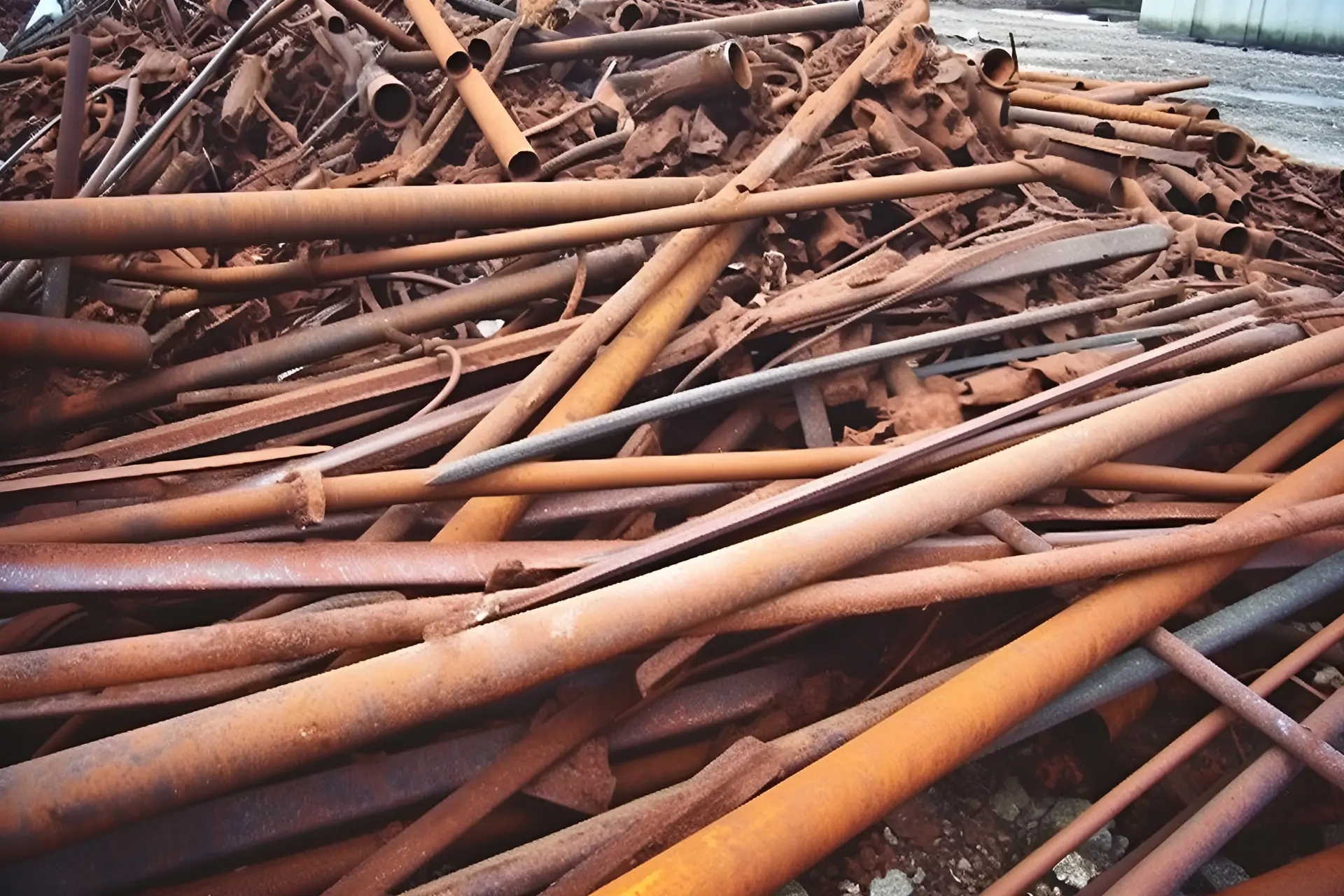
In terms of specific market performance, scrap prices have seen occasional minor hikes recently, yet with very limited room for adjustment. The overall price level is largely unchanged month-on-month. Market sentiment has shifted from the earlier bearish bias to neutral caution. Panic selling among traders has eased, yet they show little willingness to build inventories proactively. This weak balanced pattern with a price ceiling and floor directly reflects the sluggish recovery in demand.
The biggest drag on demand remains the persistent downturn in end steel consumption. Macroeconomic data shows that real estate development investment fell by 19.2% year-on-year in the January–July period of 2026, widening by 1.2 percentage points from the January–June reading. New housing construction area stood at 267 million square meters, down 24.0% year-on-year. Infrastructure investment also faced pressure, dropping 3.6% year-on-year in January–July. The simultaneous slump in steel consumption from real estate and infrastructure has suppressed overall steel demand fundamentally, which in turn curbs steel mills’ purchasing appetite for upstream scrap.
In addition, widespread losses among electric arc furnace (EAF) steelmakers and continuously declining operating rates are major factors weighing on scrap price gains. Short-process EAF mills are the largest consumers of scrap, yet they are currently mired in severe profitability difficulties. To date, the average profit of independent domestic EAF steelmakers stands at -95 yuan per ton, indicating sector-wide losses. Hit by peak electricity tariffs, energy consumption controls and thin margins, EAF mills maintain low operating rates and sharply cut scrap consumption, resulting in inadequate fundamental demand support.
Beyond short-process mills, long-process steelmakers have also adopted a conservative purchasing stance. Hurt by weak and volatile finished steel prices since the off-season, long-process mills face sustained profit pressure and tighter cash flow. They remain prudent in scrap procurement, adhering to inventory replenishment based on actual needs and just-in-time purchasing, with no large-scale price hikes to secure supplies.
Nevertheless, the scrap market is not without support. Tight overall supply forms a bottom cushion for prices to some extent. For one thing, frequent extreme summer weather has complicated scrap collection and transportation, reducing traders’ intake efficiency and keeping circulating supplies tight in the market. While high temperatures and heavy rains in southern regions have eased, the recovery of social scrap collection and processing is slow. Coupled with environmental inspections in some areas, a rapid supply increase remains constrained in the short run. For another, coke prices hold steady, keeping hot metal production costs high. Scrap still retains a cost advantage over hot metal. Taking Jiangsu as an example, as of August 26, hot metal costs were 32 yuan per ton higher than scrap prices.
In the short term, the weak off-season demand pattern will not reverse quickly. Scrap lacks sustained upward momentum, while tight supply and solid cost support will persist, leaving limited room for price falls. A market breakthrough later hinges on demand recovery during the traditional peak steel consumption season to break the current supply-demand deadlock. However, weighed by falling real estate investment, slowing infrastructure growth and universal EAF losses, a genuine recovery in scrap demand will take time. Until then, narrow price volatility and uncertain price movement will remain the dominant theme of the scrap market.