
Scrap Market Holds Steady as Supply Tightness Meets Cautious Demand
The scrap market is in a quiet but firm place right now. Prices are not moving much. But underneath the surface, there is a tug-of-war between limited supply and cautious buying.
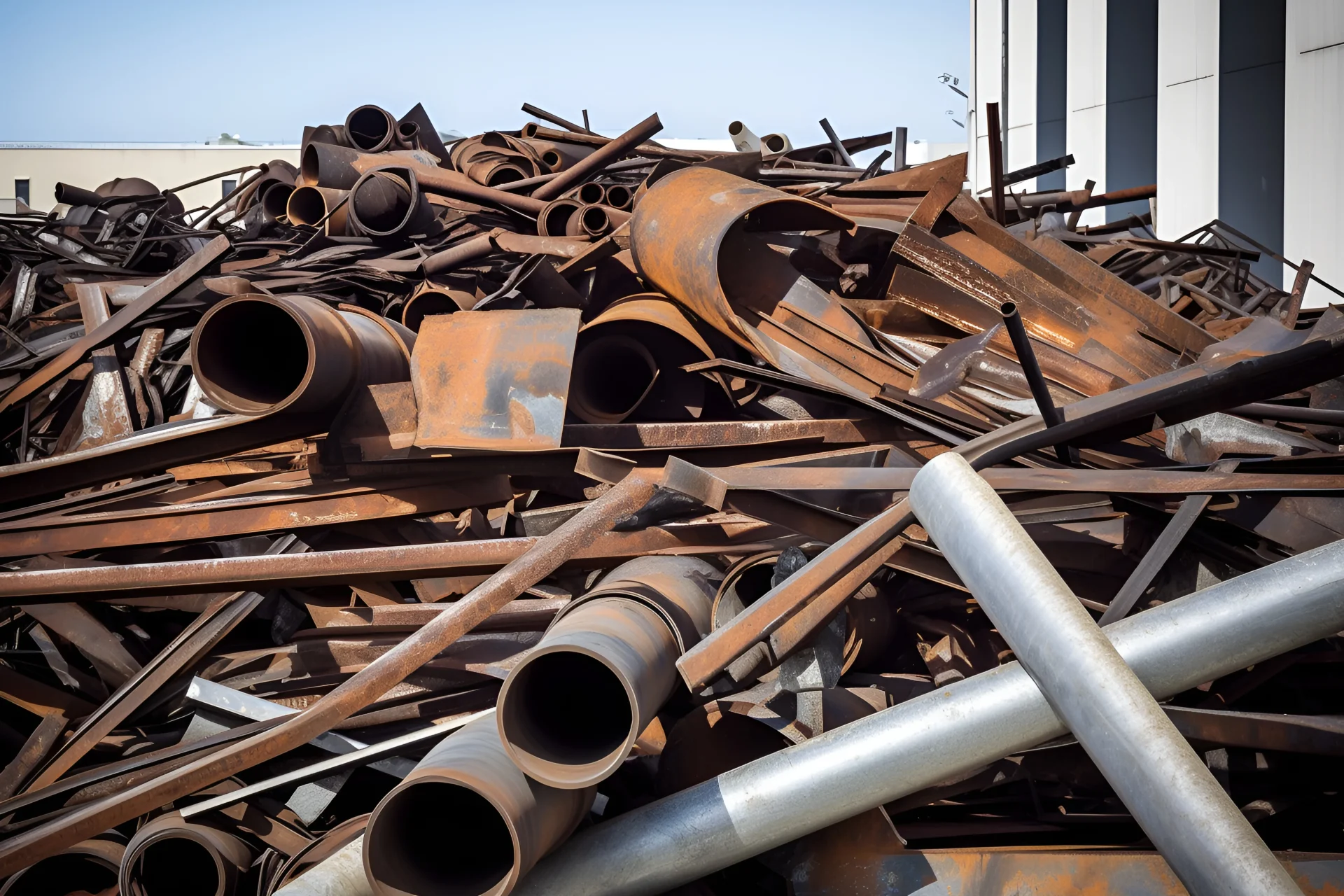
A scrap processor in the US Midwest told me his yards are seeing decent flow but nothing exceptional. Industrial scrap generation is down a bit because of summer shutdowns and maintenance work. He is not worried about running out of material. But he is not exactly swimming in it either.
Over in China, the story is similar. Domestic scrap prices are holding steady with a slightly firm bias. The national scrap price index sits at 2,061 points as of August 19, unchanged from earlier in the week. Heavy melt scrap in Tangshan is at 2,030 yuan per ton. In Zhangjiagang, it is 2,060 yuan. These levels have not moved much in recent days.
A market analyst in Shanghai told me the supply side is the main support. Weather is affecting collection and processing. Transport logistics are slower than usual. Traders are not rushing to sell. They are holding material and waiting for better prices. That reluctance to offload is creating a floor under the market.
On the demand side, steel mills are buying what they need but not much more. Electric arc furnace mills are not making great margins right now. Finished steel demand is soft. So they are keeping inventories lean and purchasing cautiously. Some mills have even lifted scrap buying prices by small amounts this week, mostly 10 to 30 yuan per ton. That tells me they are not desperate, but they do not want to risk running short either.
The bigger picture in China has not changed much. The government maintains a 40 percent export tariff on scrap, effectively keeping domestic supply inside the country. Imports are allowed with zero tariff under current policy, but the economics do not work well. Imported scrap still carries a 13 percent value-added tax. Combined with higher international prices, there is little arbitrage opportunity for traders.
The US scrap market is showing an interesting divergence between grades. Prime scrap, which comes from manufacturing and fabrication operations, is selling for about $105 per ton more than obsolete grades like No.1 heavy melting steel. That is a wide spread.
No.1 HMS sold to US mills averaged $366 per ton in the July-August period. Shredded scrap brought $416 per ton. Prime industrial grades fetched $471 per ton. The premium for prime material reflects its consistent chemistry and relative scarcity. Obsolete scrap is more plentiful but also more variable in quality.
A source in the Pittsburgh district told industry reporters that prime scrap demand is actually picking up. Foundries and mills are using more busheling and less pig iron, which supports prices for clean, high-grade scrap. But shredded and HMS are under more pressure.
The export market is not helping much either. Turkish buyers, traditionally a major outlet for US obsolete scrap, have been holding back. Deep-sea cargo prices have drifted lower by $6 to $13 per metric ton. A US East Coast export executive noted that shredded scrap is now at price parity between export and domestic markets in some regions. That means material might start moving offshore if Turkish prices improve, but for now, domestic mills are soaking up most of the available supply.
The aluminum scrap side is also tightening. Chinese aluminum scrap imports fell to about 119,600 tons in July, down from 133,000 tons in June. The UAE’s export ban on aluminum scrap and the EU’s tariff hikes are both taking a toll. European and Middle Eastern supplies are shrinking, which makes Southeast Asia a more important source.
Back in the US, domestic aluminum scrap prices followed primary aluminum down this week but held their ground better than the primary metal. The price spread between primary aluminum and scrap narrowed as a result. For scrap users, that means the cost advantage of scrap over virgin material is shrinking.
In Turkey, the imported deep-sea scrap market remained broadly stable during the week ended August 20, with fresh bookings reported at mostly unchanged levels. US-origin HMS 80:20 stood at around $375 per ton CFR Turkey, down just $1 from the previous week. About 4 to 5 deals were reported, with US suppliers targeting around $377 per ton, though mills remained reluctant to pay above $375.
European suppliers were generally seeking $370 per ton or higher, while short-sea scrap from the Black Sea was available at around $340 per ton. Tight European availability, low Rhine water levels, and Black Sea disruptions added to replacement costs. But buying urgency remained limited, as most mills had already covered their August requirements. Smaller buyers were mainly looking for late-September arrivals, keeping fresh spot activity relatively subdued.
Domestic rebar demand in Turkey remains weak. Export rebar prices were around $580 per ton FOB, keeping the scrap-to-rebar spread near $200 to $205 per ton and limiting room for higher scrap prices. Mills continue to focus on immediate requirements, and subdued steel sales discourage aggressive scrap procurement.
The scrap market looks set to stay in this range for a while. Supply is tight enough to prevent a collapse. Demand is weak enough to prevent a rally. Mills are not desperate for material, but they are not willing to let inventories drop too low either.
The wildcard is export demand. If Turkish mills come back into the market aggressively, US coastal scrap could flow offshore and tighten domestic supply. But that has not happened yet.
For now, scrap market participants are watching three things: steel mill margins, finished steel demand, and the pace of industrial scrap generation as summer ends. The market is not exciting. But it is stable. And stability is not a bad thing in today’s metals environment.