

News
March 27, 2026

From April 13th to 17th, 2026, the world's premier pipe industry event, the International Pipeline Exhibition in Düsseldorf, Germany, officially opened. As a leading indicator of global industrial pipe technology and markets, this year's exhibition bypassed complex product categories and directly focused the industry's attention on the core material—stainless steel. Leveraging the global industry exchange platform built by the exhibition, upstream and downstream companies collectively released signals of technological innovation, application expansion, and market transformation, clearly demonstrating that the core driving force for the current transformation and upgrading of the global pipe industry is the all-dimensional breakthrough of stainless steel materials. High-end, green, and intelligent have become the sole main lines of development for the stainless steel industry.
March 26, 2026
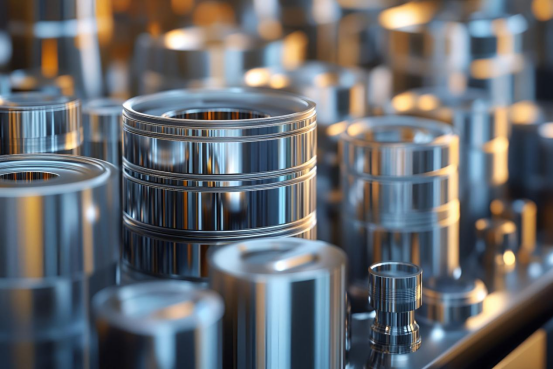
The UK government made an emergency announcement on March 18. It will raise steel import tariffs and cut import quotas to boost the country’s weak domestic steel industry.
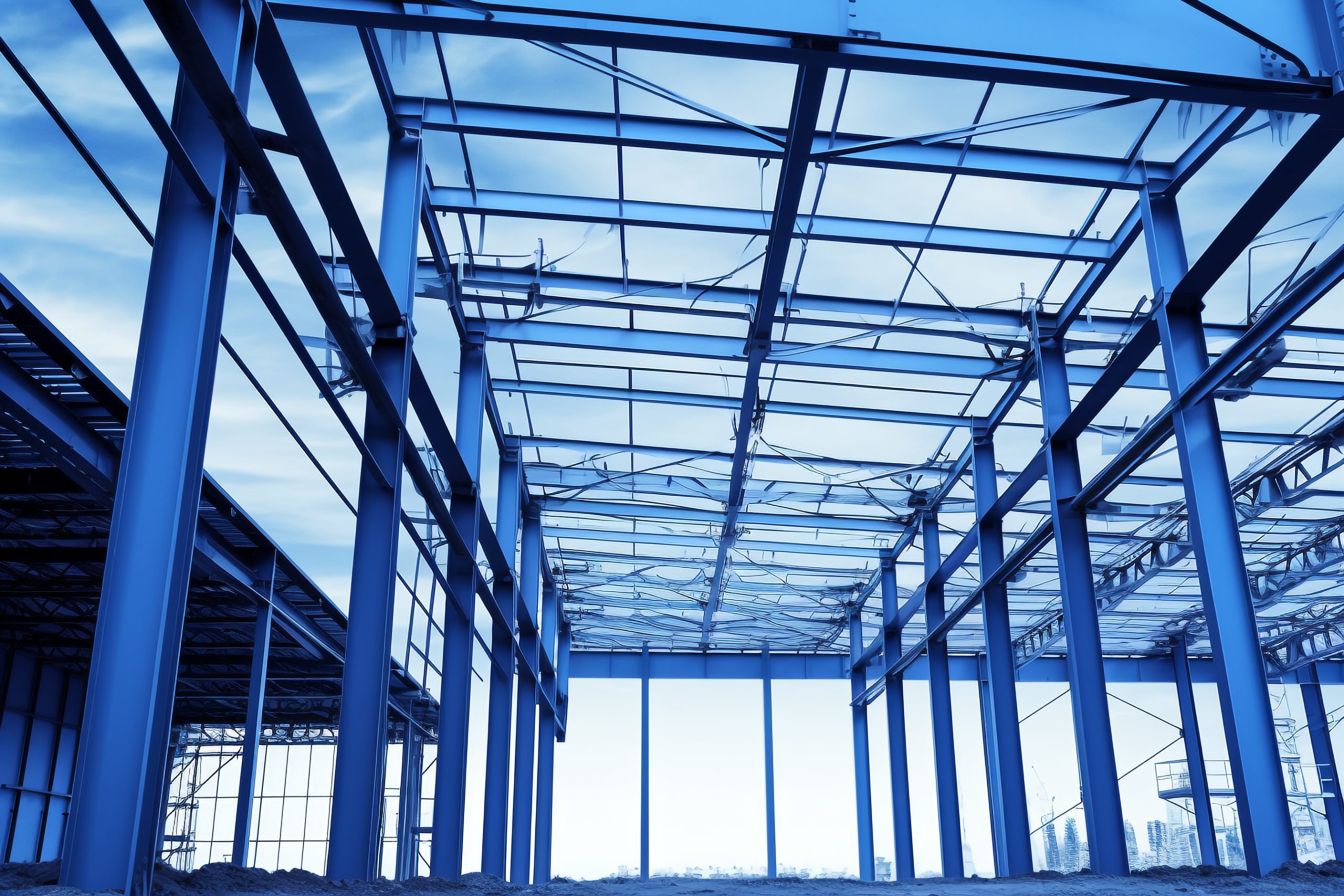
2026 Engineering Steel Industry Trends
Innovation in engineering steel is no longer just theoretical—it now solves real production problems. For example, a major Chinese steel company recently upgraded its hot strip combined rolling line (HSCRP), optimizing the CSP thin slab continuous casting process to cut material waste by 8%. This is a big help for mid-sized manufacturers trying to control costs. The upgraded line now makes high-precision engineering steel sheets (0.8-3.0mm thick) that meet the strict tolerance needs of automotive chassis parts. It directly supplies three large domestic automakers, reducing their component rejection rate by 12%.
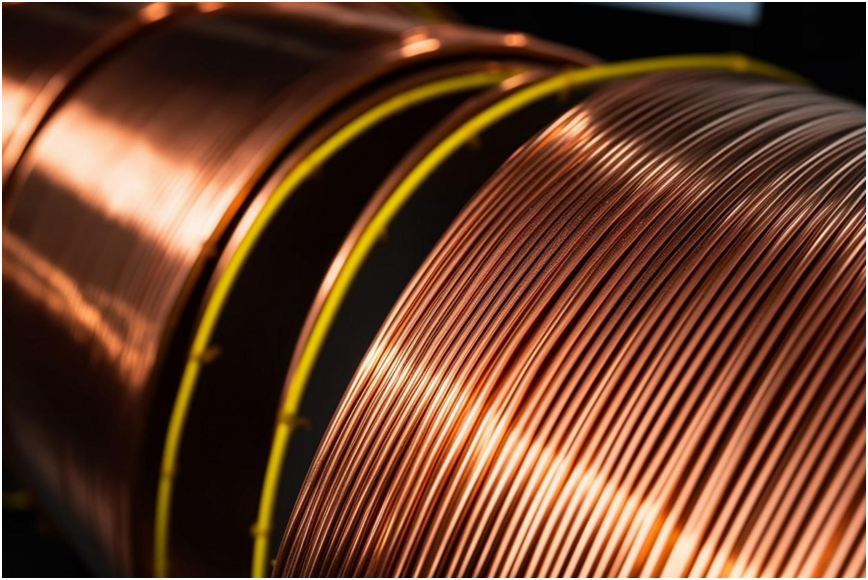
Copper-to-Gold Ratio Hits 40-Year Low; Copper Price Could Rise by Up to 60%!
Known as “Dr. Copper,” this commodity is one of the most sensitive raw materials to global economic conditions, industrial activity, and technological development. Driven by the dual forces of the energy transition and digital infrastructure construction, the medium-to long-term fundamentals of copper are undergoing a paradigm shift from cyclical to structural.
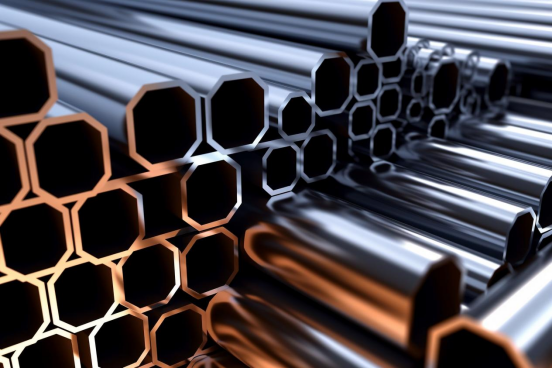
What impact will the implementation of the CBAM carbon tariff have on the compliance of metal products?
The implementation of CBAM carbon tariffs has placed stricter carbon emission accounting and cost pressures on metal products exported to the EU. Current policies cover core metal categories such as steel and aluminum, requiring companies to declare carbon emission data throughout the entire process and purchase corresponding certificates at EU carbon prices. For metal product companies that have long relied on the EU as their primary market, compliance has become a prerequisite for conducting business.
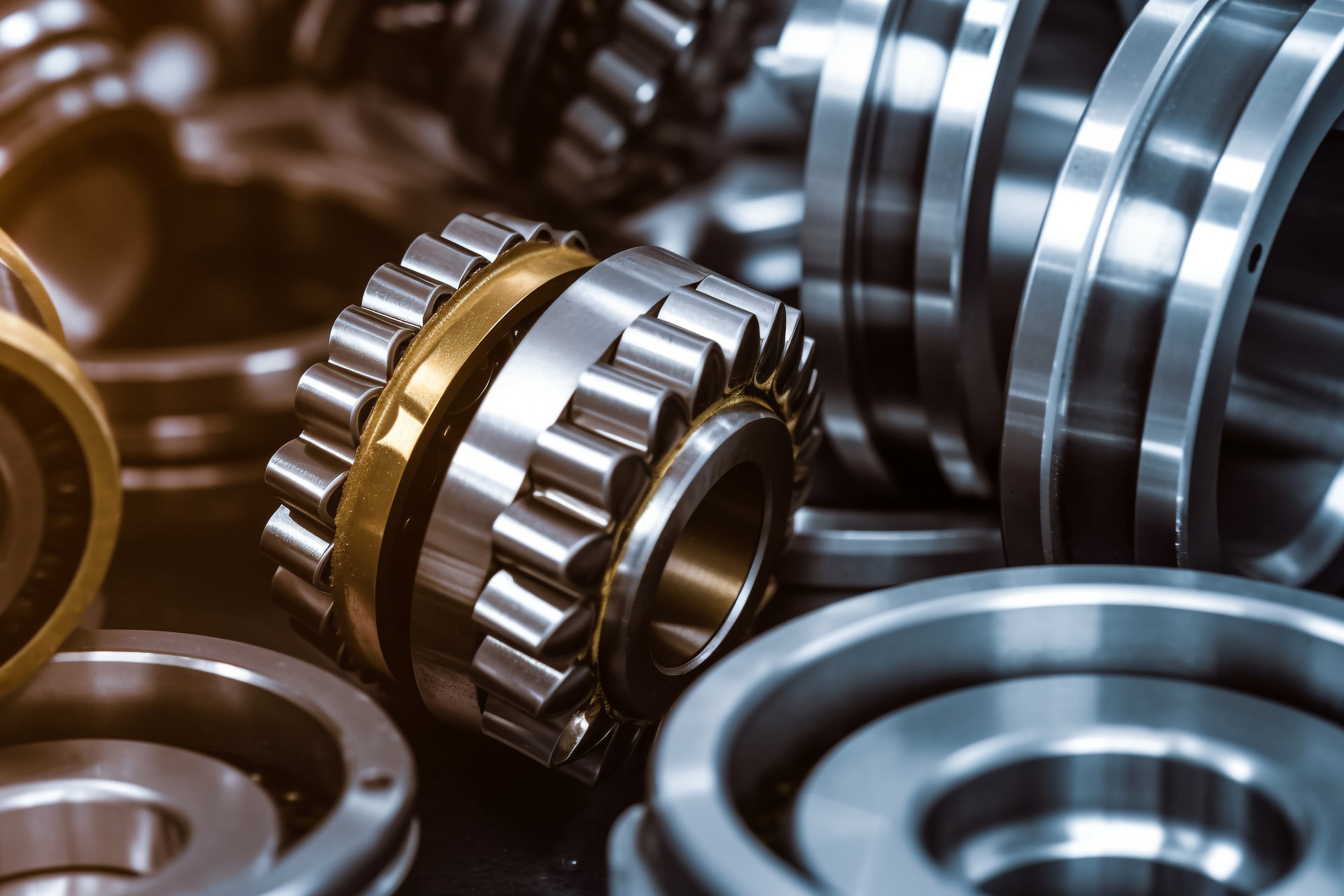
What kind of gear steel is 20CrMnTi steel?
Today, we'll delve into what makes this long-established steel so reliable, maintaining its position as the "all-rounder" core material in China's gear steel industry and becoming a benchmark material throughout the domestic mechanical transmission industry.
In-depth Analysis of the Global Stainless Steel Industry in 2025
Recently, the World Stainless Steel Association officially released the highly anticipated 2025 global statistics on stainless steel crude steel production. This report not only shows the latest trends in the global metallurgical industry, but also reflects the unbalanced recovery of the global economy after the pandemic and the reshaping of industrial chains by geopolitics. In 2025, the total crude steel output of major global stainless steel producers reached 64.157 million tons. Compared with 2024, it increased by 1.336 million tons. It saw a mild growth of 2.1%. The global macroeconomy faces many challenges. This growth is particularly valuable. It shows the stainless steel industry is still resilient. It also has clear regional differences.
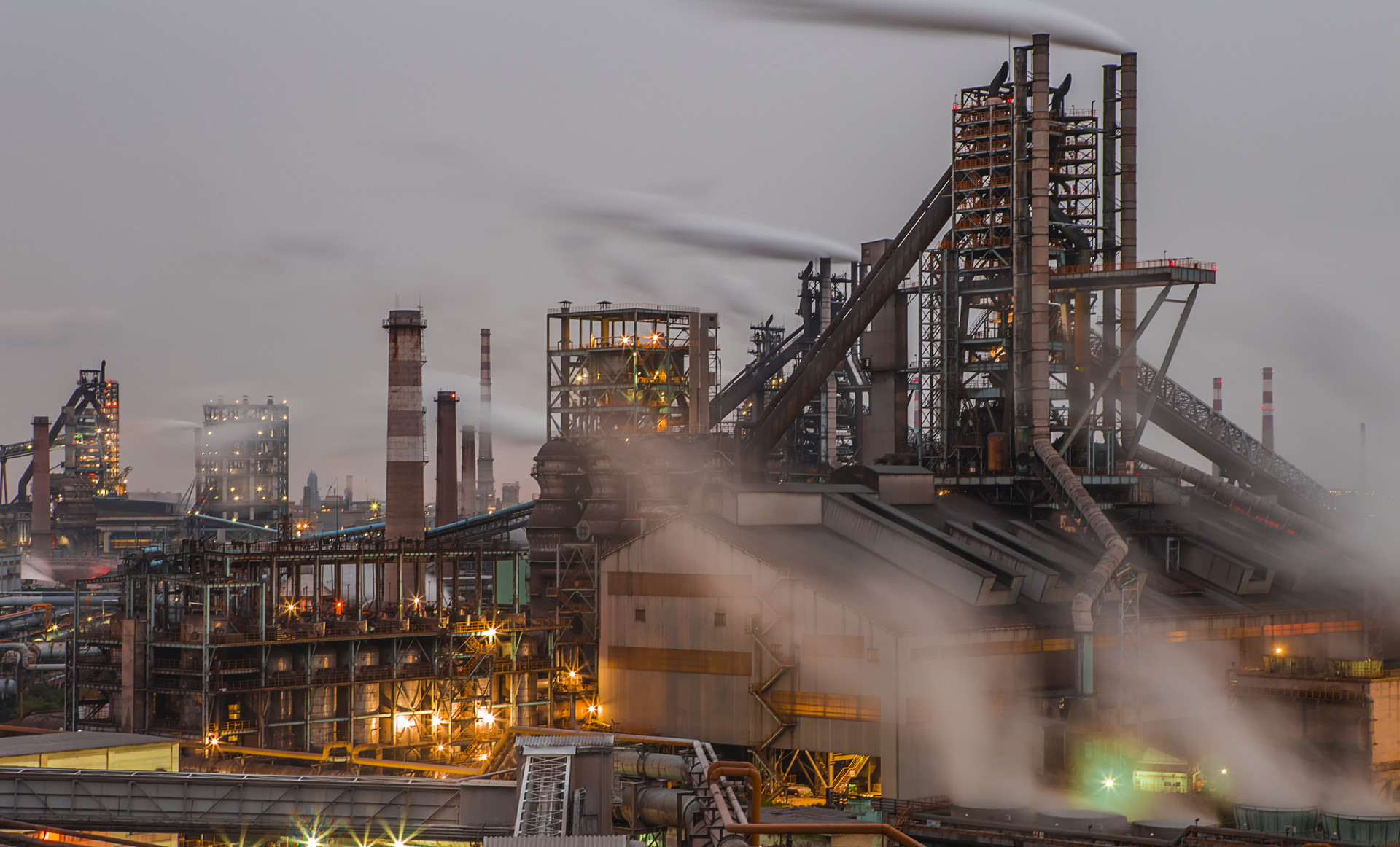
90% of steel production capacity has achieved ultra-low emissions
Currently, 95% of the country's coal-fired power capacity and 90% of its steel production capacity have achieved ultra-low emissions, establishing the world's largest clean coal-fired power system and steel production system. Ultra-low emission transformation in the steel industry has driven investment of over 400 billion yuan, promoting the development of emerging industries such as energy conservation and environmental protection, clean transportation, and new energy vehicles, especially creating broad application scenarios and opening up rapid development channels for new energy heavy trucks.
.jpg)
LME Refines Restrictive Measures; Global Aluminum Trade Flows May See Adjustments
News from February 24. Last Friday, the London Metal Exchange (LME) formally issued Notice No. 26/052. It further clarified restrictions on Russian aluminum entering the European Union. It also specified rules for related warrant management. This move aims to keep up with EU sanctions against Russia. It also ensures compliance with its warehouse network and trading activities.
HOLIDAY NOTICE
Happy Chinese New Year