

Raw Material Decline to Weigh on Pig Iron; Weak Trend Likely to Persist in November
The domestic pig iron market in October was mostly characterized by ample supply and sluggish demand. In the mid-to-late month, expectations of coke price hikes brought forward some demand and lifted prices slightly, before purchases reverted to rigid demand and prices fell. Looking ahead, the supply-heavy, demand-weak fundamental pattern is unlikely to reverse, costs are set to decline, and negative market factors abound. The domestic pig iron market is projected to fluctuate weakly in November.
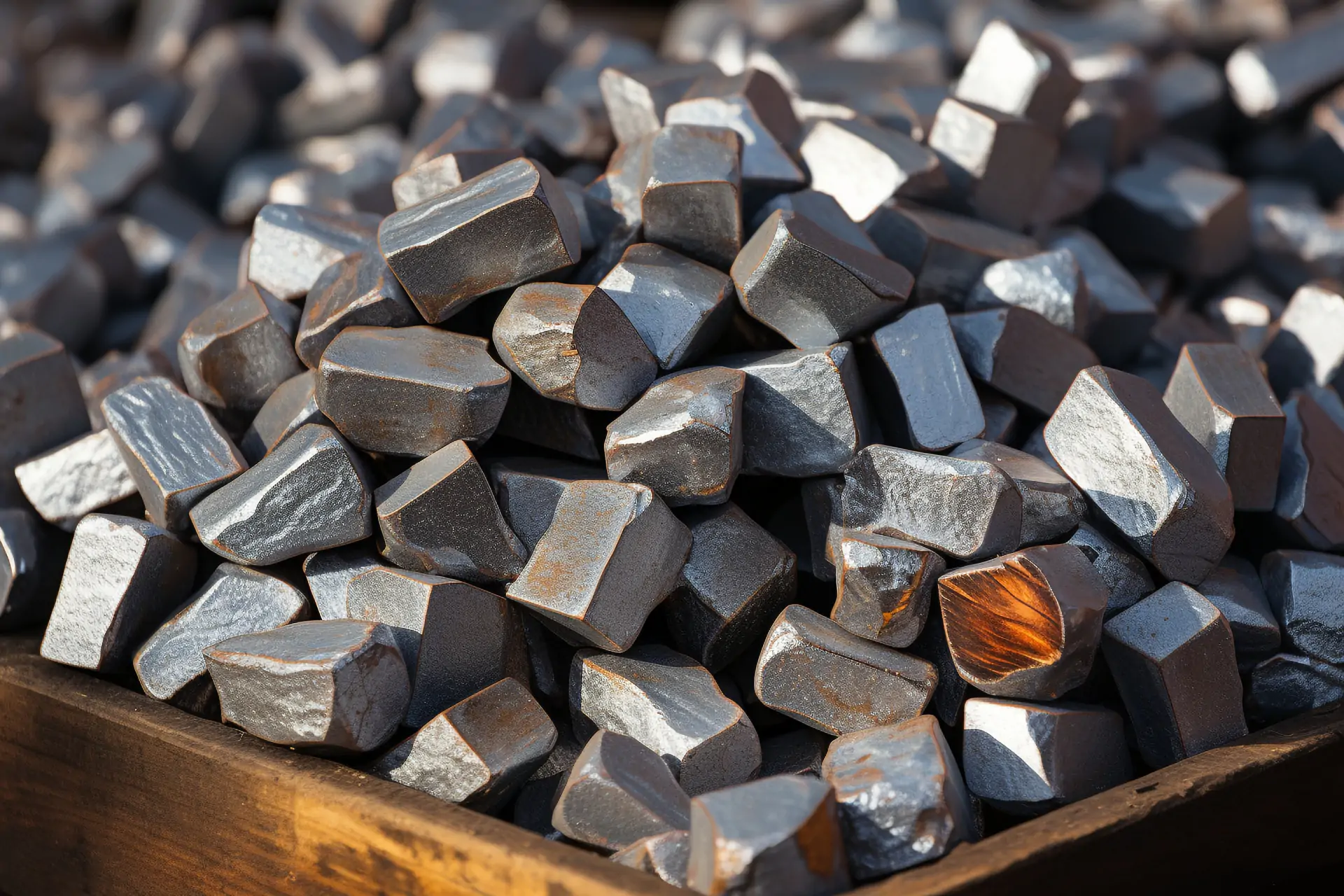
Domestic Pig Iron Market: Down First, Then Up, Then Down in October
The domestic pig iron market fell, rebounded and retreated again in October. Early in the month, negative factors surfaced intensively, fueling broad bearish sentiment. Traders were eager to cut offers, spot negotiation margins widened, and deal-by-deal pricing became common, keeping market prices under pressure. Later, improved cost outlooks eased pessimism and boosted inquiry activity, lifting sentiment in both futures and spot markets and triggering a phase-based price rebound. Nevertheless, weak fundamentals remained intact, limiting the upward momentum driven purely by sentiment, and prices dropped again toward month-end.
As of October 29, the daily average price of foundry pig iron in China stood at RMB 3,016.76 per tonne, down 1.21% from the start of the month. The daily average price of ductile iron in China was RMB 3,038.13 per tonne, a 0.90% month-on-month decline.
Cost Volatility Dictated Monthly Turning Points
Early in October, implemented coke price cuts and low iron ore levels pushed down the average raw material cost, weakening cost support for pig iron and dragging iron prices lower. Toward month-end, expectations for coke hikes emerged. Although the hikes had not yet been executed, persistent raw material weakness reversed overly bearish views and restored cost support, stabilizing and lifting pig iron prices. The overall market moved in lockstep with shifting expectations for coke prices, with cost fluctuations determining the key turning points of the month.
As of October 29, ironmaking cost in Hebei reached RMB 2,607 per tonne, RMB 75 lower than at the month’s start, representing a 2.80% drop. Current foundry iron cost in Hebei was RMB 3,036 per tonne, down RMB 74 or 2.38% month on month.
Concentrated Demand Release Brought Temporary Market Improvement
On the supply side, pig iron mills saw operating rates edge down amid losses, with more maintenance scheduled and expectations of output cuts ahead. However, high carryover inventories slowed destocking. Mills faced heavy shipment pressure and were willing to offer discounts to clear stocks.
On the demand side, end-user orders remained scarce, and downstream buyers stuck to rigid, on-demand purchasing. Inquiries picked up briefly only after coke hike expectations surfaced; this was a pulse-like recovery driven by expectations rather than a real improvement in physical consumption. Once the front-loaded demand faded, trading volumes returned to normal.
Overall, the temporary demand release improved fundamentals briefly in the mid-to-late month, yet the market stayed in a supply-rich, demand-poor state for most of October. According to surveys covering 17 sample enterprises, ductile iron inventories reached 412,600 tonnes as of October 30, up 33,100 tonnes from the start of the month.
Pig Iron Prices Expected to Fluctuate Lower in November
For supply: Most iron mills are currently running at losses. Sustained losses curb production appetite and encourage proactive maintenance and output controls, which may cap output to some extent. That said, some blast furnaces will resume operations for heating supply next month. On balance, maintenance and restarts will coexist in November, so supply will not contract meaningfully.
For demand: The traditional peak season of September and October failed to deliver expected gains, and downstream foundries have few orders. No major positive catalysts are foreseen to generate fresh orders in November. Downstream foundries and traders are likely to continue on-demand buying and minimal restocking. Even if inquiries rise periodically, such activity will mostly stem from short-term sentiment and fail to translate into steady physical consumption. Demand will offer little upward support to pig iron prices.
For raw materials: Coke demand is expected to stay weak, and downstream buyers will remain cautious, leaving coke prices under mild pressure. Iron ore is forecast to keep trending down: prices will fall early and stabilize at low levels later. Weakness in both coke and iron ore will pull down the average production cost of pig iron, eroding the cost floor and dragging pig iron prices lower.
To sum up, stable supply, sluggish end-user demand and fading cost support from falling raw materials point to a fluctuating weak market for pig iron in November, with lower price centroids. The average foundry pig iron price in China is projected to range between RMB 2,980–3,020 per tonne in November, while the average ductile iron price is expected to run at RMB 3,000–3,050 per tonne.