

Galvanized Steel vs Stainless Steel
Galvanized steel and stainless steel both resist rust, but they protect steel in different ways and serve different budgets. Galvanized steel is carbon steel with a zinc coating that gives sacrificial protection. Stainless steel is an alloy with at least 10.5% chromium that forms a self-healing oxide layer.
This guide reflects the work of SUMEC Metal’s sourcing and metallurgical team. It draws on hands-on steel-supply experience and standards such as ASTM and JIS. The article compares the two metals across corrosion resistance, strength, cost, weldability, appearance, and lifecycle value.
Readers will learn how each material performs, when to choose galvanized over stainless steel, and how to match the right grade to each project.
What Is Galvanized Steel?
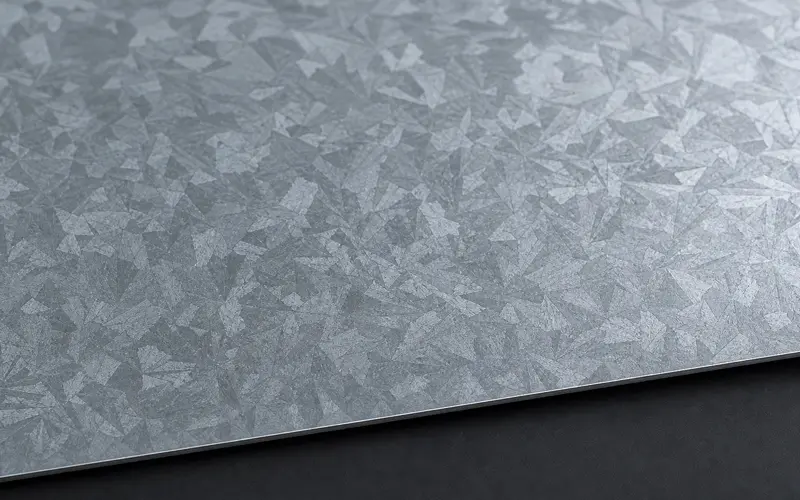
Galvanized steel is carbon steel coated with zinc to stop rust. The zinc shields the steel from oxygen and moisture. It also corrodes before the steel does, acting as a sacrificial layer. This makes galvanized steel a low-cost option for outdoor and construction use.
What Are the Common Galvanized Coating Types?
Galvanized products differ by coating chemistry and corrosion performance. Four main coated types appear below, from basic to high-performance.
- Hot-Dipped Galvanized (GI): pure zinc coating for roofing, cladding, and rainwater systems.
- Electro-Galvanized: thin, smooth zinc for appliance and electronic housings.
What Is Stainless Steel?
Stainless steel is an alloy with at least 10.5% chromium that resists rust. The chromium forms a thin oxide film on the surface. This film blocks oxygen and stops corrosion. The chromium runs through the whole metal, not just the surface.
What Are the Main Types of Stainless Steel?
Stainless steel comes in five families based on structure and added elements. The table below compares them by common use.
| Type | Key Trait | Common Use |
| Austenitic (304, 316) | High corrosion resistance | Food, marine, medical |
| Ferritic | Lower cost, magnetic | Auto exhaust, trim |
| Martensitic | Hard, wear-resistant | Blades, tools |
| Duplex | Strong, harder to work | Chemical tanks |
| Precipitation-Hardening | Very high strength | Aerospace parts |
Grades 304 and 316 cover most industrial demand. Grade 316 adds molybdenum, so it resists salt better than Grade 304.
What Are the Key Differences Between Galvanized Steel and Stainless Steel?
Galvanized steel relies on a surface zinc coating, costs less, and suits general construction. Stainless steel contains chromium throughout, resists corrosion far better, and lasts longer but costs roughly four to five times more. Strength, appearance, and weldability also differ significantly.
The table below compares the two metals across nine attributes that drive most buying decisions:
| Attribute | Galvanized Steel | Stainless Steel |
| Protection method | Surface zinc coating | Chromium throughout the metal |
| Corrosion resistance | Moderate | High |
| Strength | Lower, more ductile | Higher |
| Cost | Low | 4–5x higher |
| Appearance | Dull gray | Bright, smooth |
| Weldability | Easy, but releases zinc fumes | Harder, needs skilled welders |
| Heat resistance | Limited near 420°C | Handles high heat |
| Magnetism | Magnetic | Mostly non-magnetic |
| Recyclable | Yes | Yes |
Corrosion Resistance
Stainless steel resists corrosion better than galvanized steel, especially in salt and moisture. Its chromium-oxide layer self-heals after scratches. Galvanized steel relies on a zinc coating that wears away over time. In seawater, zinc corrodes faster than the chromium-oxide layer on stainless steel. Grade 316 stainless keeps protection in salt water, while the zinc on galvanized steel wears away within a few years. Salt, acids, and constant moisture attack zinc faster than chromium.
Strength and Durability
Stainless steel is stronger, while galvanized steel is more ductile and easier to shape. Stainless steel keeps its strength in harsh and high-stress settings. Galvanized steel bends and forms with less effort, which suits fabrication. Durability also differs by environment. Galvanized steel holds up in dry inland air but weakens near the coast. Stainless steel stays durable in wet, salty, and high-stress conditions.
Cost and Total Lifecycle Price
Stainless steel costs about four to five times more than galvanized steel upfront. The higher price comes from chromium, nickel, and a complex melting process. Nickel content drives most of the stainless price. Buyers should weigh lifecycle cost, not just the purchase price. Galvanized steel fits short-term or budget jobs where replacement is cheap. Stainless steel often costs less over decades in corrosive sites, since it avoids repairs and downtime.
Appearance and Surface Finish
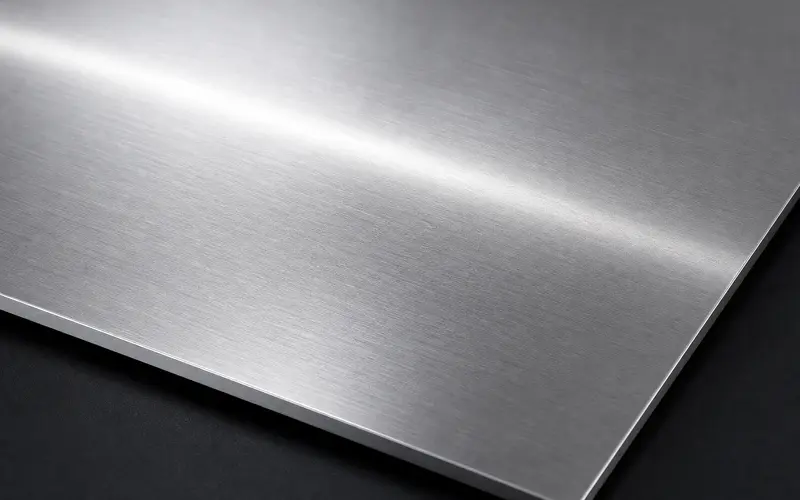
Stainless steel has a bright, smooth finish, while galvanized steel looks dull gray. Stainless steel suits products where appearance matters, such as appliances and railings. Galvanized steel often shows a spangled pattern from the zinc coating. Its surface can vary in color from light to dark gray. Stainless steel gives more uniform, polished results.
Weldability and Welding Safety
Galvanized steel welds easily but releases toxic zinc fumes during the process. Welders need respiratory protection to avoid flu-like symptoms. Welding burns off zinc at the joint, leaving that spot open to rust. Galvanizing after welding restores the lost protection. Stainless steel needs skilled welders and matched filler material. It demands careful heating and cooling to avoid cracks.
Heat Resistance and Thermal Properties
Stainless steel handles high heat far better than galvanized steel. The zinc coating melts near 420°C, so its corrosion protection fails at that point. Heating past it also creates burn and fume risks. Galvanized steel suits general-temperature use, not high-heat settings.
Magnetism
Galvanized steel is magnetic, while most stainless steel is not. Galvanized steel keeps the magnetic nature of its carbon-steel base. Austenitic grades, such as 304 and 316, are mostly non-magnetic. Ferritic and martensitic stainless grades are magnetic. This difference helps in sorting metals and choosing parts for magnetic systems.
Recyclability and Environmental Impact
Both metals are fully recyclable, but their production impacts differ. Stainless steel often comes from scrap melted in electric arc furnaces, which cuts raw-material use. Galvanized steel production applies zinc coatings, a process that can release pollutants without proper controls. Both metals can be stripped and reused at end of life. Recycling lowers the impact of either choice.
Lifespan and Maintenance Requirements
Stainless steel lasts longer and needs less maintenance than galvanized steel. Stainless steel can serve over 50 years with minimal care in most settings. Hot-dip galvanized steel often lasts 20 years or more in mild air. Its life falls sharply in salt air, where the zinc wears faster. Galvanized steel may need recoating over time, while stainless steel rarely does.
When Should a Project Use Galvanized Steel?
Galvanized steel fits cost-driven projects in mild to moderate environments. It gives reliable rust protection at a low price. It welds easily for fast fabrication. It performs best where saltwater and high heat are absent. Common uses appear below.
- Roofing, cladding, and corrugated sheets
- Fencing and structural framing
- Rainwater systems and ductwork
- Nuts, bolts, screws, and nails
Galvanized steel should be avoided in seawater, chlorinated water, and food or medical settings.
When Should a Project Use Stainless Steel?
Stainless steel fits jobs where corrosion resistance, hygiene, or appearance are critical. It costs more but lasts longer with low maintenance. It gives a clean look for visible surfaces. It performs well in wet and demanding settings. Common uses appear below.
- Marine vessels and coastal structures
- Food processing and kitchen equipment
- Medical and pharmaceutical tools
- Chemical tanks and architectural panels
Stainless steel may not suit chlorinated water, which degrades it, or tight budgets.
FAQs
Is galvanized steel the same as stainless steel?
No. Galvanized steel is carbon steel with a zinc coating. Stainless steel is an alloy with chromium mixed throughout.
Will galvanized steel rust over time?
Yes. The zinc coating wears away with exposure, then the steel rusts. Thicker coatings delay this.
Does stainless steel ever rust?
Yes, under chlorinated water or strong acids. Its chromium-oxide layer protects it in most other conditions.
Is stainless steel stronger than galvanized steel?
Yes. Stainless steel has higher strength and better corrosion resistance. Galvanized steel is more ductile and easier to shape.
How much more does stainless steel cost?
Stainless steel costs four to five times more than galvanized steel. Grades with more nickel cost the most.
Can galvanized bolts be used with stainless steel?
Yes, in dry conditions. In wet or coastal sites, isolate them to prevent rapid zinc loss.
Which lasts longer outdoors?
Stainless steel lasts longer in wet or coastal air. Galvanized steel performs well in dry inland conditions.
Which is better for food-grade use?
Stainless steel. Its smooth, rust-resistant surface meets hygiene standards. Galvanized steel does not.
Learn More About Our Products?
Contact Now