

How to Prevent Rust on Steel During Shipping & Storage: Proven Strategies for Corrosion Control
To prevent rust on steel during shipping and storage, you must block oxygen and moisture from reaching the metal through surface preparation, protective coatings, VCI packaging, desiccants, and humidity-controlled storage. Steel corrodes when iron reacts with moisture, and condensation, salt air, and temperature swings during transit accelerate it—bare carbon steel can show rust within hours.
Drawing on industrial shipping standards, corrosion-rate research, and field results from steel exporters and logistics providers, this guide walks through every stage: surface degreasing, rust-preventive oils, packaging and desiccant calculations, container loading, ocean-freight condensation control, warehouse storage, and long-term maintenance—plus the right method for carbon, stainless, galvanized, and alloy steel.
Why Does Steel Rust During Shipping And Storage?
Steel rusts during shipping and storage because iron in the metal reacts with oxygen and moisture to form iron oxide. This chemical reaction happens faster when steel sits idle or travels through changing conditions.
The main triggers include:
- High humidity levels above 50%
- Temperature changes that cause condensation on metal surfaces
- Salt exposure from ocean spray and salt-laden coastal air
- Standing water from rain or snow
- Surface damage that exposes bare steel
Shipping creates unique corrosion risks. The metal heats up during the day and cools at night. Each temperature swing deposits a fresh layer of moisture directly onto steel surfaces.
Storage presents a different problem. Extended exposure to humid air allows surface oxidation to spread from small spots into larger rust patches.
Steel type affects how fast corrosion happens:
| Steel Type | Rust Risk | Main Vulnerability |
| Carbon steel | Highest | No natural corrosion prevention |
| Galvanized steel | Medium | Damaged zinc coating |
| Stainless steel | Lower | Chloride exposure can cause localized pitting |
| Alloy/special steel | Medium–High | Depends on alloy content and finish |
How Do You Prepare Steel Surfaces To Prevent Rust Before Packing?
Steel surfaces must be clean, dry, and free of contaminants before applying any protective coating or packing material. Oil, grease, dirt, and metal particles create corrosion cells that accelerate rust formation during storage and shipping.
Start with thorough cleaning and degreasing. Use industrial degreasers or alkaline cleaners to remove oils and manufacturing residues. Give a final rinse with clean, low-mineral water, since chlorides and minerals in untreated water leave corrosive residues.
Dry steel completely before packing. Use forced air, vibratory action, or air circulation to remove all moisture. Trapped water between stacked steel sheets acts as an electrolyte and causes rust within days.
Use alkaline rather than acidic cleaners, as a higher-pH environment helps suppress flash rusting after washing.
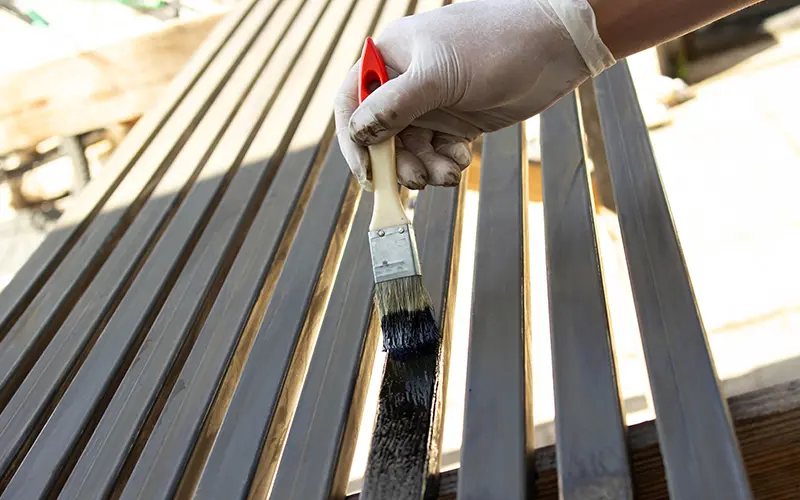
Apply protective coatings immediately after drying. Common options include:
- Rust preventives – Oil-based films that repel water and last several months
- Corrosion inhibitors – VCI papers or films that release protective vapors
Wear clean gloves during handling. Fingerprints and sweat leave salt deposits on steel that trigger electrochemical reactions in humid conditions.
Apply rust inhibitors at the correct thickness. Too little coating leaves gaps where moisture can penetrate. Too much wastes material and increases costs without adding protection.
Let coatings cure fully before stacking or packaging steel. Rushing this step traps solvents and moisture that compromise the protective barrier.
What Packaging Prevents Rust During Steel Shipping?
VCI packaging creates a protective vapor barrier that stops rust before it starts. VCI stands for Volatile Corrosion Inhibitors or Vapor Corrosion Inhibitors. These materials release molecules that settle on metal surfaces and block moisture and oxygen from causing corrosion.
VCI technology comes in several forms for different shipping needs. VCI paper wraps directly around steel parts and components. VCI bags and films seal items in a protective atmosphere. VCI emitters work inside containers and crates without touching the metal.
Desiccants remove moisture from enclosed packaging spaces. Silica gel packets absorb water vapor from the air. Molecular sieves trap moisture molecules inside their structure. Both options work best in sealed packaging where they can control the internal environment.
Moisture-resistant barriers form the outer layer of rust prevention packaging. Plastic films, waterproof wraps, and sealed containers keep external water away from steel. These materials must be thick enough to prevent tears during handling and transit.
Combining multiple protection methods delivers better results than single solutions. Wrapping steel in VCI paper, adding desiccant packets, and sealing everything in moisture-resistant film creates three layers of defense. This approach guards against humidity changes, condensation, and direct water contact during shipping.
Foam inserts and cushioning prevent metal-to-metal contact that damages protective coatings. When steel parts shift or vibrate against each other, scratches expose bare metal to air and moisture. Proper cushioning keeps pieces separated throughout transit.
How Many Desiccants Do You Need Inside A Shipping Container?
The amount of desiccant depends on container volume, humidity, and transit duration. A 20-foot container typically needs 6–8 units, a 40-foot container 10–12 units, and a 40-foot high cube 12–14 units (1,000g each) for basic corrosion protection.
Desiccant quantity depends on container volume, humidity, and voyage length. As a guide, a 20-foot container uses 6–8 bags, a 40-foot 10–12, and a 40-foot high cube 12–14, plus 20–30% more for tropical or long-haul routes. Follow the dosage table from your desiccant supplier for exact loading.
How Should Steel Coils And Plates Be Loaded Into A Container To Prevent Rust?
Proper loading prevents moisture from being trapped between steel surfaces. The key is creating air gaps and applying temporary corrosion protection before securing the cargo.
Steel coils: Place coils on wooden dunnage running the container’s length, spaced 1/3 to 1/2 of the coil’s diameter apart. This leaves at least 5cm of clearance for air circulation underneath, preventing condensation from pooling against the steel. Apply corrosion inhibitor or VCI paper to all surfaces before loading.
Steel plates: Stack plates with wooden spacers between each layer to allow airflow and avoid metal-to-metal contact, and seal all edges with moisture-resistant wrapping—edges rust first because their coatings are thinner.
Both: Use dry dunnage only, distribute desiccant bags near the door and walls, and secure dunnage and cargo with lashing and chocks so nothing shifts in transit.
How Do You Protect Steel From Condensation During Ocean Freight?
Protecting steel at sea is less about adding new materials and more about managing moisture and temperature across the voyage. Ocean freight is where condensation does the most damage. As a container crosses climate zones, warm humid air inside cools against the steel and the container walls, then drips back down as “container rain” that can rust unprotected surfaces within hours.
Controlling the moisture already sealed inside the container is the first priority:
- Load only in dry conditions – Steel and dunnage go in clean and fully dry, since any trapped water or damp timber becomes the moisture source for condensation later in the voyage.
- Keep humidity low inside – Desiccants positioned near the cargo and along the walls absorb water vapor before it can condense on cooler surfaces.
- Seal and inspect the container – Intact seals and a leak-free roof stop seawater, rain, and outside humidity from entering during transit.
The protection applied to the steel itself should be matched to how long it stays at sea:
- Voyage length – Light rust-preventive oils suit shorter trips, while heavier grease-type coatings or sealed VCI packaging hold up over long-haul and trans-equatorial routes.
- Route climate – Shipments through tropical or monsoon regions face higher humidity and need stronger protection and extra desiccant than temperate routes.
Conditions at the destination matter as much as departure. A container chilled at sea and opened into warm, humid port air will form fresh condensation instantly. Letting it equalize to ambient temperature first prevents this final round of moisture damage.
How Do You Store Steel To Prevent Rust In A Warehouse?
Steel must stay dry and protected from moisture to prevent rust in a warehouse. The storage area needs proper ventilation to keep air moving and reduce humidity buildup around metal surfaces.
Key storage requirements include:
- Climate control – Maintain humidity below 50% using dehumidifiers
- Proper spacing – Stack steel with gaps between pieces for airflow
- Elevated storage – Keep steel off the floor using pallets or racks
- Protective barriers – Cover steel with waterproof tarps or plastic sheeting
Corrosion inhibitors provide temporary corrosion protection during storage periods. These chemicals create a protective layer on steel surfaces that blocks moisture and oxygen. Warehouse managers can apply oil-based coatings, wax films, or vapor corrosion inhibitor (VCI) products to steel inventory.
The storage location matters as much as the protection method. Steel should never sit directly on concrete floors where moisture accumulates. Warehouses located in humid climates require more aggressive rust prevention measures than those in dry regions.
Regular inspections catch rust problems early before they spread. Staff should check stored steel every 30 days for signs of corrosion, especially during rainy seasons. Any moisture on steel surfaces needs immediate removal with dry cloths.
Which Prevention Method Suits Each Steel Type?
Different steel types need different rust prevention approaches based on their composition and corrosion resistance:
| Steel Type | Best Prevention Method | Secondary Option |
| Carbon Steel | VCI paper + VCI poly film | Oil coating + desiccants |
| Stainless Steel | Light oil or VCI packaging | VCI poly bags only |
| Galvanized Steel | VCI materials | Protective film |
| Tool/Alloy Steel | VCI paper + VCI poly bags | Heavy oil coating |
Clean and dry steel before applying any rust prevention method. Moisture, dirt, or existing rust reduces the effectiveness of all corrosion inhibitors.
FAQs
Does steel rust in a shipping container?
Yes. Even sealed containers develop “container rain”—condensation that forms when warm, humid air meets cold steel during temperature swings at sea. Without desiccants, lining, and proper packaging, this trapped moisture is the most common cause of rust on shipped steel.
What is the best way to prevent rust on steel coils during sea freight?
Layer the protection: apply rust-preventive oil, wrap in VCI film, add desiccants inside a lined container, orient coils eye-to-wall in humid routes, and lash them tightly to prevent coating abrasion.
How long does VCI packaging protect steel from rust?
Properly sealed VCI packaging typically protects steel for up to 12 months, and some heavy-duty films rate up to 24 months. Protection drops sharply if the barrier is torn, opened, or the seal is broken, since the inhibiting vapor escapes.
What is white rust on galvanized steel and how do you prevent it?
White rust is a chalky white deposit that forms when freshly galvanized steel is stored wet with no airflow. Prevent it by keeping the steel dry, spacing pieces for ventilation, and avoiding tightly stacked, moisture-trapping storage.
Should you store steel indoors or outdoors?
Indoors is strongly preferred—dry, ventilated, humidity-controlled, and elevated off the ground on dunnage or racks. If outdoor storage is unavoidable, use waterproof covers that still allow airflow, and never let steel sit in standing water or directly on soil.
How do you remove light surface rust from steel?
Clean the area with a mild detergent and dry it fully, then remove light rust with a wire brush, sanding pad, or a rust converter for stubborn spots. Finish by reapplying anti-rust oil or coating to protect the bare surface.
Learn More About Our Products?
Contact Now