
Billet Rebound: Changes in China’s Steel Export Path and Strategic Breakthrough
Geopolitical conflicts create new market chances. Strict domestic policies push companies to follow rules better. Overseas trade barriers keep rising. Under these mixed forces, China’s steel exports are shifting from fast‑growing volume to better‑balanced structure. Based on steel export data in the first quarter of 2026, this report analyzes reasons behind market changes, judges short‑term chances and long‑term trends, and gives practical plans for steel firms.
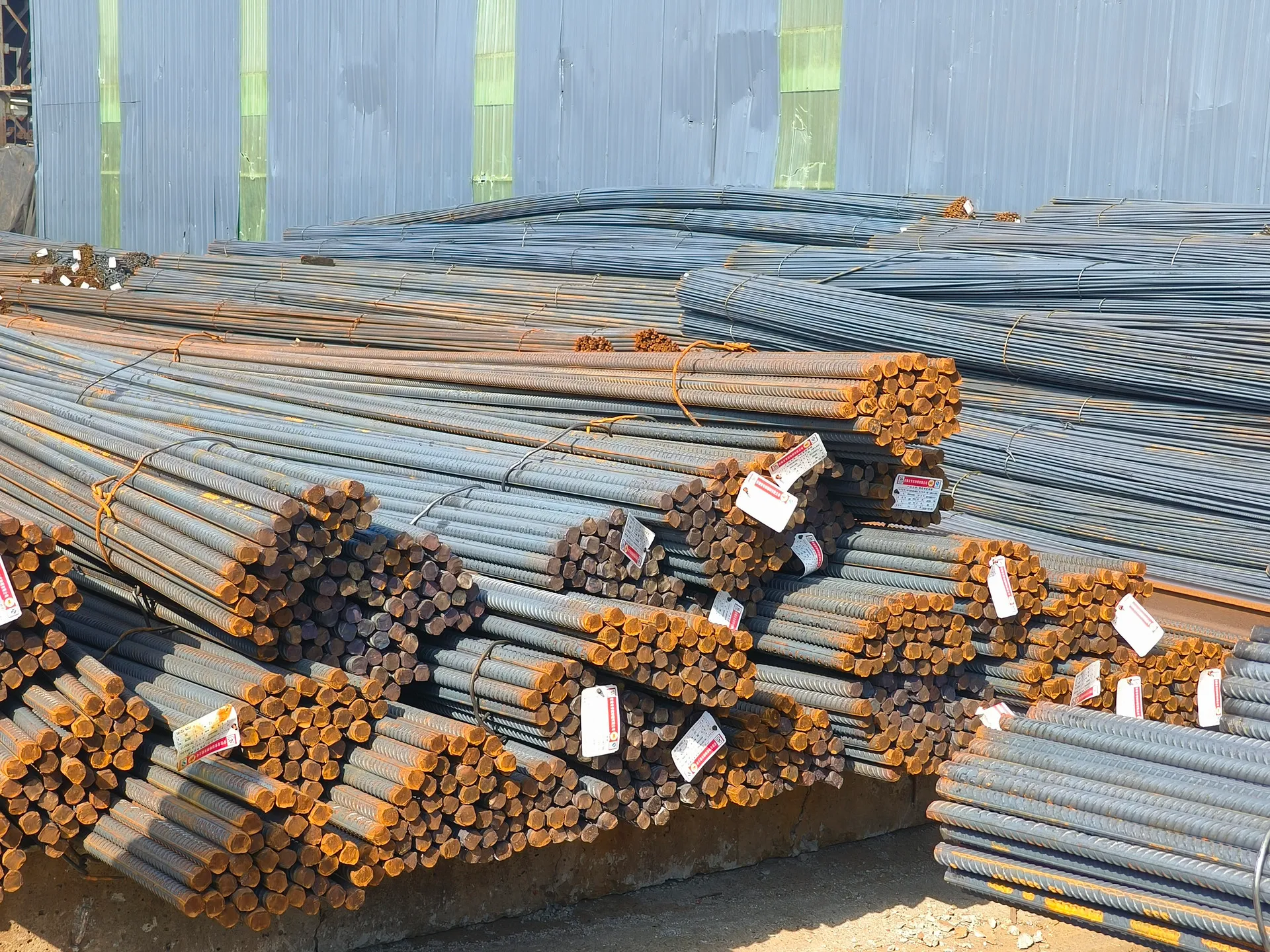
General Overview: Lower Total Volume, Divided Product and Regional Markets
China Customs General Administration shows that China exported 28.03 million tons of steel products (billets and finished steel) in Q1 2026. It dropped 1.96 million tons or 6.5% year‑on‑year, compared with 29.99 million tons in Q1 2025.
Product structure changed greatly this quarter. Steel billet exports rose sharply, while finished steel exports fell clearly. Semi‑finished steel sold better than finished steel. In Q1 2026, China’s steel billet exports grew fast to 3.30 million tons, up 29.0% year‑on‑year. Finished steel exports kept falling to 24.72 million tons, down 9.9% year‑on‑year.
Regional markets showed clear differences. Africa, EU 27 nations and Commonwealth of Independent States became key growth markets in this quarter. Traditional major markets all declined. West Asia had a big drop with total exports of 4.78 million tons, down 16.2% year‑on‑year. The fall was even bigger in March. Exports to West Asia fell 700,000 tons or 30.8% year‑on‑year, mainly due to geopolitical risks.
Rising Billet Exports: Joint Effect of Geopolitical Replacement and Weak Domestic Demand
China’s steel billet exports kept rising in Q1 2026. Customs data shows March exports hit 1.53 million tons, up 66.0% month‑on‑month. Slab exports grew the fastest. March slab exports reached 330,000 tons, jumping 312.5% month‑on‑month and taking 21% of China’s total billet exports.
Geopolitical factors mainly shaped billet export regions. West Asia and Africa became major growing markets, while East Asia was a new bright spot. Southeast Asia’s demand rose in March, with little total change in Q1. EU and Latin America exports fell in March but stayed almost the same in the whole quarter.
The rise of billet exports comes from weak domestic demand and strong overseas demand. The core reason is geopolitical replacement.
Domestic downstream steel demand was lower than expected this year. Seasonal growth in March and April was weak. Steel stocks stayed high in many areas. With soft home demand, exports became a key way to keep normal production and cut stock pressure.
Two factors drove higher global demand. First, Iran’s steel output dropped, so nearby countries looked for new suppliers. On April 27, Iran stopped exporting steel billets and some finished steel. Traffic limits in the Strait of Hormuz also blocked its steel sales to other countries. As a major steel exporter in the Middle East, Iran supplied semi‑finished billets to nearby nations and Southeast Asia. After Iran cut supplies, these countries turned to China, India and other markets. Second, Vietnam stopped slab exports. To keep domestic supply and avoid trade rule risks, Vietnamese steel mills almost halted slab exports in late March. This further cut slab supply in Southeast Asia.
Besides, steel billets have one big advantage over finished steel. As semi‑finished products, they face fewer anti‑dumping checks. Some countries still limit billet imports, but billet exports run more smoothly than finished steel which faces heavy trade limits.
Market Analysis: Still Strong Advantages, Chances and Pressures Coexist
China’s biggest steel strengths still lie in large production scale and low costs. China makes more than half of the world’s crude steel each year. Its share was about 51.96% in 2025. Large scale brings price gaps. In March 2026, China’s slab FOB price was 10–15 US dollars per ton lower than India’s and Indonesia’s. This price edge keeps export competitiveness in normal markets and creates strong replacement ability during sudden supply cuts. After Middle East conflicts started in late February 2026, Iran’s billet supply nearly stopped. Chinese steel mills reacted quickly. Billet export orders to Indonesia, the Philippines and Saudi Arabia have been scheduled after July. This shows strong supply chain ability from order receiving, production to delivery.
Though total exports are large, the profit model of “selling more at lower prices” has not changed greatly. In 2025, steel exports rose 7.5% year‑on‑year, but average prices fell 8%. The top 10 steel firms held 51.76% of the market. Unhealthy price competition eased but still existed. More sales at lower prices hurt company profits and caused more overseas anti‑dumping checks. Also, low‑end products took a larger share. Billet exports increased. Steel plates still made up over 60% of total exports. High‑grade alloy steel and special steel had low shares. What’s more, export license rules raised compliance costs and time for small‑and‑medium steel firms. The rules set higher market entry standards to cut low‑value steel output, but also further reduced thin profits.
Chinese steel exporters now face two chances: geopolitical replacement and industrial upgrade. First, market chances from Iran and Vietnam may last until Q3 2026. About 50% of Iran’s steel production was damaged and may not recover in 2026 by conservative estimates. If Vietnam keeps its export rules, Southeast Asia and the Middle East will still rely on Chinese billets and slabs for a short time. This chance brings steady cash flow and larger market share for steel firms. Second, new policies in 2026 force industrial upgrade. They screen firms strictly to improve product quality. Poor‑performing small production lines will leave export markets. Better firms will get better export order and more power to set prices. This pushes domestic steel firms to improve compliance and technology levels.
However, China’s steel exports still face challenges: rising trade barriers and weaker price advantages. First, growing trade barriers are the most direct problem. More than 200 global trade limits target China, with many anti‑dumping and anti‑subsidy final decisions released recently. Carbon costs also rise. International carbon rules like CBAM aim at China and block steel exports. Second, a stronger RMB raises US‑dollar export prices and cuts thin profits. For hot‑rolled coils, a stronger RMB reduces RMB income by about 70 yuan per ton for exports with the same US‑dollar price. Third, worse Middle East conflicts block shipping in the Strait of Hormuz. Higher global oil prices push up sea transport costs. These three factors together weaken China’s steel price competitiveness for a period.