
Steel Supply in the 2026 Aluminum Crisis: What Buyers Need to Know
Something strange happened in early 2026. The global aluminum market — usually stable and predictable — suddenly went haywire. Prices shot up. Inventories dried up. Suppliers started calling “force majeure,” a legal term that basically means “we can’t deliver what we promised.”
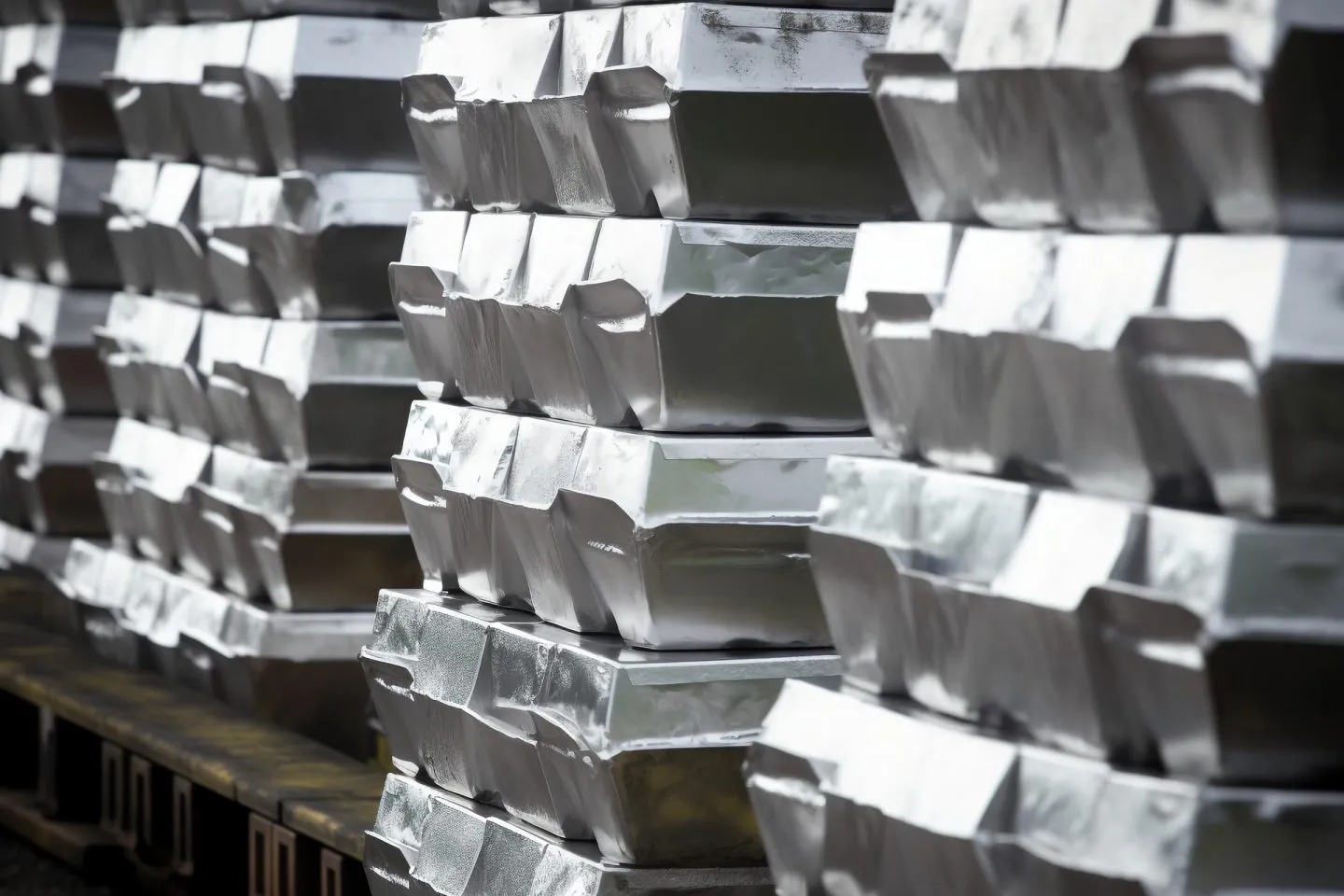
For anyone who buys metal for a living, this is a worrying sign. Aluminum is everywhere — in car parts, window frames, packaging, electronics. When aluminum gets expensive or hard to find, manufacturers feel the pain. And because metals markets are connected, the steel supply chain gets hit too.
So what actually happened? And what should buyers do about it? Let’s walk through the situation step by step.
What Triggered This Mess?
Three things went wrong at roughly the same time. The first and biggest is the Strait of Hormuz. That narrow stretch of water between Oman and Iran is a shipping chokepoint for the Middle East. When tensions flared up in late 2025 and early 2026, commercial traffic slowed to a crawl.
Why does that matter for aluminum? Because two of the world’s largest aluminum producers sit right there. Alba in Bahrain and EGA in the UAE. Both ship their metal out through the Strait. With shipping disrupted, both companies declared force majeure. Together, they produce hundreds of thousands of tons of aluminum per year. That supply effectively vanished overnight.
The second problem happened in Mozambique. A smelter called Mozal — one of Africa’s largest — shut down key production lines after civil unrest broke out. Another chunk of global supply gone.
The third problem is simply bad timing. Even before these disruptions, aluminum inventories were already low. A few years of steady demand had drawn down warehouse stocks. Then these supply shocks hit, and the market tipped over.
What Do the Numbers Look Like?
Here is where things stand as of early May 2026.
LME aluminum prices pushed past 3,200 permetricton.
That is the highest level since mid 2022.Citianalysts raised their three−month price target to 3,200 permetricton.That is the highest level since mid 2022.Citianalysts raised their three−monthpricetargetto3,600, and in a bull-case scenario — meaning if things get worse — they say prices could hit $4,000 (Citi, March 2026).
On the inventory side, the picture is even more striking. LME registered aluminum stocks fell below 400,000 tons. Not four million — four hundred thousand. According to exchange data, that is the lowest level since 2013 (LME, April 2026). CME aluminum stocks dropped 70% since the start of the year.
To put that in perspective: the aluminum market is essentially living hand to mouth. There is very little buffer stock. Any new disruption — a port closure, a rail strike, another producer declaring force majeure — could send prices even higher.
How Is the Industry Responding?
Nobody is sitting still. When a major supply shock happens, everyone scrambles.
Russian aluminum producer Rusal is a good example. Western sanctions have pushed Rusal out of many traditional markets, but the company has successfully pivoted to customers in Japan and South Korea. According to trade data, Russian aluminum shipments to Northeast Asia increased significantly in the first quarter of 2026.
Chinese smelters are running flat out. China already produces more aluminum than the rest of the world combined. In response to high global prices, Chinese exports have climbed since late 2025. That helps, but China also needs aluminum for its own factories. There is a limit to how much it can send abroad.
Trade routes are shifting. European and North American buyers are actively looking for new suppliers — in Southeast Asia, in India, anywhere with stable production. Supply chains that took years to build are being reorganized in a matter of months.
SUMEC Metal has expanded its supplier network and logistics coordination to help clients navigate these shifting trade flows as part of its steel supply and broader metal procurement services.
What Should Buyers Do Right Now?
If your job involves buying metal — whether aluminum or steel — the current environment requires a different approach than twelve months ago. Here are four practical suggestions.
First, check your contract terms. Spot buying at today’s LME prices is painful. If you have long-term contracts with fixed or capped pricing, hold onto them. If you don’t, consider negotiating some volume on a contract basis rather than buying each shipment at market price.
Second, ask whether aluminum is really necessary. For some applications, steel can do the same job. Obviously not everything — you can’t replace an aluminum soda can with steel — but for structural components, industrial equipment, and many other uses, switching to steel might make sense right now. Steel prices have not seen the same volatility.
Third, diversify your suppliers. A single-region sourcing strategy is risky in this environment. Build relationships with producers in different parts of the world.
Fourth, watch inventory levels. Just-in-time procurement works beautifully when supply is reliable. When it’s not, carrying a bit more safety stock can save you from production stoppages.
A Quick Note on Steel
This article is about aluminum, but the steel market is connected. When manufacturers cannot get enough aluminum, some of them switch to steel. That creates extra demand for certain steel products — particularly flat-rolled products like sheet and coil.
Steel prices have not exploded the way aluminum prices have. According to worldsteel data, global steel demand is growing modestly in 2026, but supply is keeping pace. However, if the aluminum crisis drags on, the steel market could start feeling secondary pressure by late 2026.
For buyers who rely on steel supply, this is not a reason to panic. But it is a reason to stay informed and maintain good relationships with your suppliers.
Conclusion
The 2026 aluminum supply crisis did not come out of nowhere. Tensions in the Middle East, production outages in Africa, and already-low inventories created a perfect storm. Force majeure declarations removed hundreds of thousands of tons from the market. Prices hit four-year highs.
For buyers, the message is clear. Do not assume the market will return to normal anytime soon. Review your contracts. Consider alternatives. Diversify your sources. And stay close to your suppliers.