

Alloy Steel Market Balances Firm Costs Against Trade Headwinds
Late August and early September 2026 find the global alloy steel market navigating a mix of firm input costs, steady automotive demand, and shifting trade flows. Prices are not surging, but they are not falling either. The market is holding its ground.
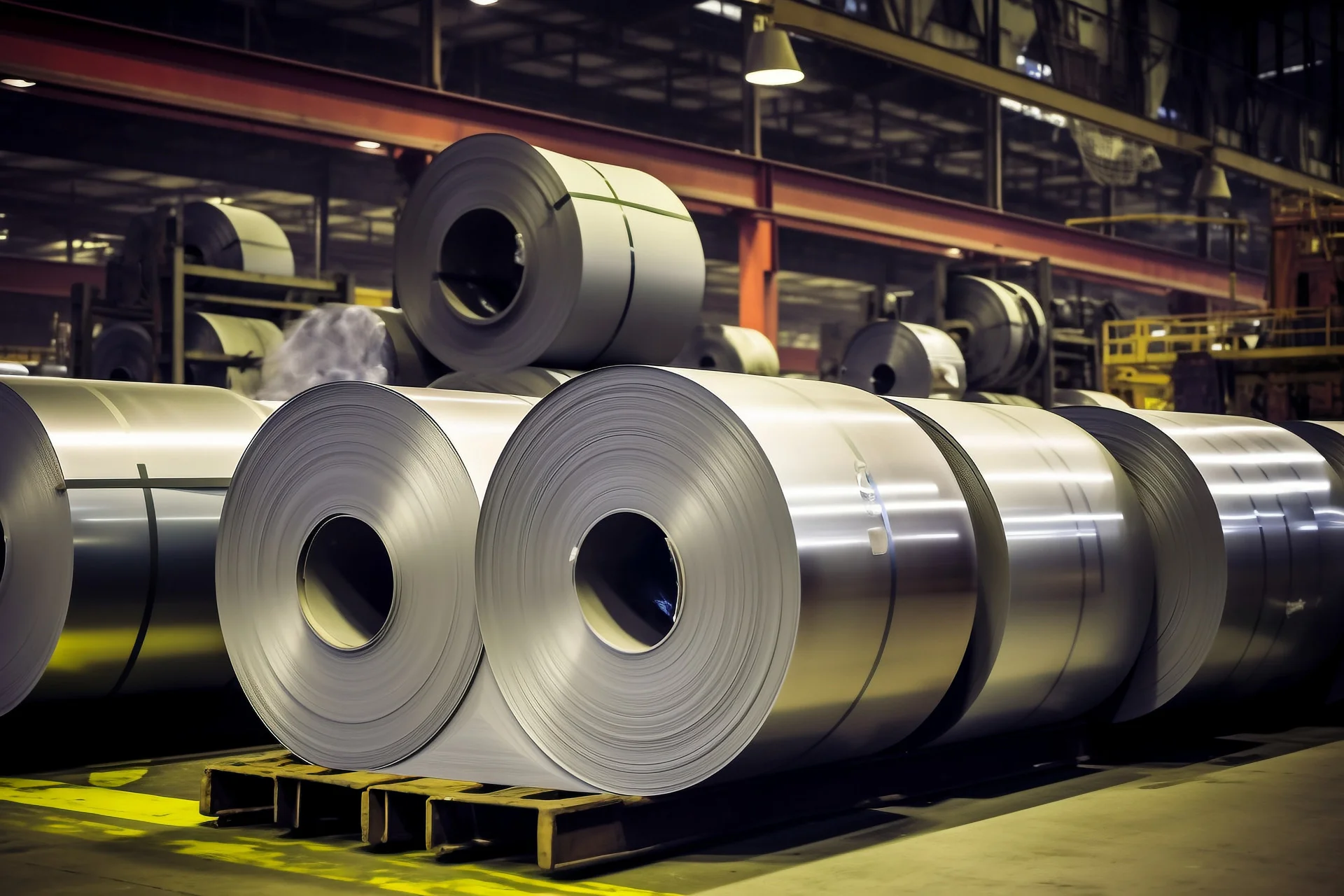
In India, leading steelmakers raised alloy steel round bar list prices by INR 1,000 per ton for September deliveries. The move was supported by steady demand from automotive, auto-component, engineering, and machinery sectors. India‘s alloy steel consumption rose 22.1 percent year-on-year during April to July 2026, giving mills confidence to push through the increase .
BF-route alloy steel round bar EN-8 prices were assessed at around INR 73,750 per ton ex-Mumbai. Buying activity improved across key consuming sectors. Firm producer offers and elevated input costs supported higher transaction levels .
The reasons behind the price hike are straightforward. Alloy steel producers maintained firm offers during August as scrap, ferro-alloys, sponge iron, coke, and other metallic input costs remained elevated. Higher replacement and conversion costs reduced the scope for mills to absorb further increases through discounts. This allowed producers to pass part of the cost pressure to buyers, particularly for alloy grades with higher alloying-element content .
Demand from automotive, auto-component, engineering, and machinery manufacturers remained relatively stable during August. Grades including EN-19, EN-24, EN-353, 20MnCr5, SAE 8620, and SAE 52100 continued to see demand from these sectors. The 22.1 percent year-on-year increase in alloy steel consumption during April to July indicates that underlying consumption remains supportive, giving mills better order visibility for September sales .
Availability of some specialised grades and 50 mm round bars remained relatively limited, particularly where production is concentrated among fewer mills. Buyers requiring specific grades, specifications, and sizes have fewer replacement options. This has supported firm offers for higher-value grades such as EN-24, 18CrNiMo7-6, SAE 8620, and EN-353, reducing pressure on producers to negotiate aggressively .
The outlook for alloy steel round bar prices in India is firm to moderately bullish during September. However, further price increases may remain measured unless raw-material costs rise again or availability tightens. Buyers are likely to continue selective procurement at higher price levels, keeping the market balanced between firm producer offers and need-based purchasing .
In China, the alloy steel market has been stable. In Handan, 40Cr alloy steel from major mills was assessed at 3,630 yuan per ton from Handan Steel, 3,650 yuan from Lingyuan Steel, and 3,580 yuan from Shagang Yongxing . In Hangzhou, 40Cr from Hangzhou Steel was at 3,680 yuan per ton, while Huai Steel was at 3,760 yuan .
The broader Chinese special steel market has seen a divergence between high-end and low-end products. According to Mysteel analysis, supply expanded in the first half of 2026 while demand differentiated. Prices moved upward in a volatile pattern. The second half is expected to see a “suppress first, then rise” trajectory. July and August were the off-season, with loose supply-demand conditions pressuring prices downward, though costs provided support at the bottom. From September to December, peak-season demand is expected to release, with construction machinery, automobile exports, and wind power sectors driving steel prices higher. High-end special steel is expected to outperform mid-to-low-end varieties .
China‘s alloy steel exports, however, are facing headwinds from trade defense measures. On September 3, Mexico’s Ministry of Economy issued a final affirmative anti-dumping ruling on hot-rolled steel originating from China and Vietnam. Anti-dumping duties were formally imposed. For Chinese producers, Shanghai Meishan Steel faces a duty of 0.3087 US dollars per kilogram, Wuhan Steel faces 0.3050 US dollars per kilogram, and other Chinese producers face 0.3087 US dollars per kilogram .
Thailand expanded its anti-dumping measures on high-carbon alloy steel wire rod from China. The investigation found that certain lightly modified hot-rolled alloy steel wire rods were aimed at circumventing existing tariffs. The products will continue to face anti-dumping duties ranging from 15.04 percent to 36.79 percent .
South Korea imposed anti-dumping duties on carbon and alloy steel hot-rolled plates from China and Japan in February 2026, with Chinese producers facing rates of 28.16 percent to 33.10 percent for five years. Some companies that accepted price undertakings were exempted .
In the United States, the steel market presents a different picture. Alloy steel is not the dominant product category, but the broader steel market is exceptionally strong. US hot-rolled coil prices surged from $650 per short ton in January 2025 to $1,150 per short ton in August 2026, a 77 percent increase. Section 232 tariffs on steel imports were reinstated at 25 percent in March 2025 and raised to 50 percent in June 2025 .
US steel mills reported record shipments in the second quarter. Nucor shipped approximately 7.1 million short tons from its steel mills, its second consecutive quarterly record. Steel Dynamics reported record steel shipments of 3.74 million short tons. Cleveland-Cliffs advised that its third-quarter shipments will reach an all-time high of over 4.3 million short tons .
The autumn maintenance season in the US could provide additional support to prices. At least 600,000 short tons of coil production could be lost during the September to November period, with major outages at US Steel‘s Gary Works hot strip mill and Big River Steel .
Labor disputes in South Korea are adding another layer of uncertainty. The POSCO union began a 48-hour partial strike on September 9, the first actual strike since the company was founded in 1968. Operations at the pickling plant at Gwangyang Steelworks and the electrical steel sheet plant at Pohang Steelworks were expected to be suspended. POSCO’s operating profit in the first half of this year plunged 43 percent from the same period a year earlier .
The alloy steel market is not moving in one clear direction. Indian mills are raising prices on strong automotive demand. Chinese prices are stable but exports face growing trade barriers. US steel prices are exceptionally high on tariffs and tight supply. Korean production faces labor disruption. For buyers and sellers of alloy steel, the message is to pay attention to regional dynamics. The global market is fragmenting, and each region has its own supply-demand story.