

What Is Galvanized Steel? (And Why Zn-Al-Mg Might Be Better): Alloy Innovations Explained
Galvanized steel has been the industry standard for rust protection for over a century. By coating steel in zinc, it creates a reliable barrier for everything from roofing to guardrails.
But it has an Achilles’ heel: once the coating is scratched or cut, the protection fades.
Enter Zn-Al-Mg steel. By adding aluminum and magnesium to the mix, this next-generation alloy doesn’t just block rust—it actually “self-heals” at cut edges. It’s an evolution in coating technology that promises longer lifespans and better value for harsh environments.
The Basics: How Traditional Galvanized Steel Works
Traditional galvanized steel uses a zinc barrier to shield iron from moisture and oxygen. Over time, parts of this coating react with the environment, which both protects and limits how long the steel lasts.
Mechanism: Sacrificial Anode
Galvanized steel keeps its iron safe through a sacrificial anode effect.
- Definition: Zinc is more reactive than iron, so it corrodes first and preserves the steel beneath.
- Process: In hot-dip galvanizing, steel gets dipped in molten zinc at about 450°C. This forms a zinc-iron alloy layer that sticks tightly to the surface.
Zinc’s lower electrode potential means it gives up electrons when exposed to moisture or oxygen, forming zinc oxide and zinc carbonate layers. These layers slow down corrosion by sealing the surface.
If you scratch or nick galvanized steel, the zinc keeps corroding instead of the steel—so rust doesn’t just pop up overnight. That’s why it’s a reliable choice for outdoor structures or building parts where you don’t want to do constant maintenance.
Limitations: Why It Eventually Fails
The sacrificial protection zinc provides isn’t bottomless. It depends on how thick the coating is and what kind of environment the steel faces.
- Depletion: As zinc corrodes, it forms white corrosion products that eventually wear away. When the zinc runs out, the steel underneath starts to rust.
- Conditions: Coastal air, acid rain, or pollution can speed up oxidation. Heat above 200°C can make the zinc layer peel or crack.
- Structure: Thin electro-galvanized coatings wear out faster than hot-dip ones, so they’re not great for long-term outdoor use.
In mild climates, galvanized steel can last decades. But in tough marine or industrial settings, it just doesn’t hang on as well. Regular inspections can help you catch coating loss before rust takes over.
Enter The Challenger: What Is Zn-Al-Mg Steel?
Zn-Al-Mg steel uses a layered alloy coating that changes how steel resists corrosion, welds, and ages. Its mix of zinc, aluminum, and magnesium builds a stronger barrier than plain zinc, especially in humid or salty conditions.
Definition: The “Cocktail” of Zinc, Aluminum, and Magnesium
Zn-Al-Mg steel is basically steel coated with an alloy of zinc (Zn), aluminum (Al), and magnesium (Mg). This formula balances corrosion resistance, coating adhesion, and weldability better than your standard galvanized steel.
- Composition: Zinc still makes up most of the coating—about 90–96%. Aluminum is usually 1–5%, which helps the alloy stick and stay stable. Magnesium is around 1–3% and strengthens the protective layer, helping it “self-heal.”
- Cause: Aluminum changes how the coating bonds, leading to a smoother, more even layer with fewer weak spots.
- Effect: This tighter bond slows down underfilm corrosion, so rust doesn’t spread as quickly from scratches.
- In practice: You’ll see longer service life and less maintenance, especially in construction, vehicles, and outdoor gear.
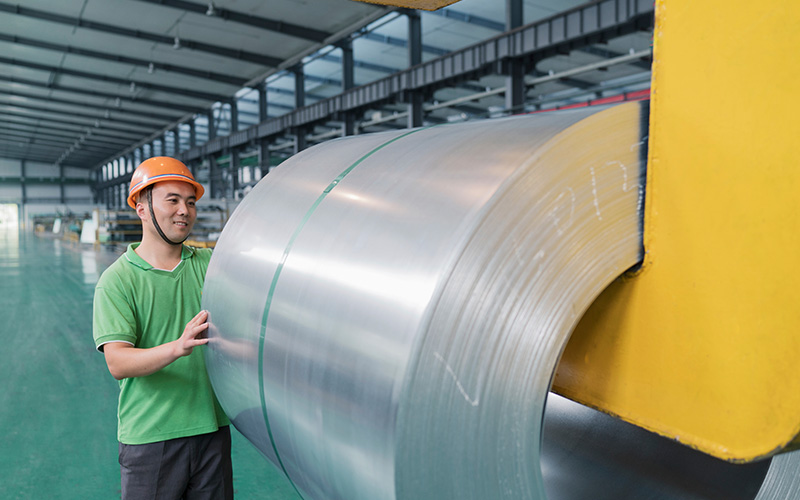
The “Magic” of Magnesium
Magnesium really changes the game when the surface gets damaged. It reacts with zinc and aluminum to form dense, stable corrosion products that block oxygen and moisture.
- Mechanism: When you scratch the surface, magnesium forms compounds like magnesium hydroxychloride that fill in the damaged area.
- Result: The coating becomes more compact and seals up microcracks, so rust has a harder time getting started.
- In practice: Exposed steel can “re-passivate” faster, so rust spreads more slowly compared to zinc-only coatings.
- Example: In lab tests, Zn-Al-Mg coatings have lasted five to ten times longer in salt spray than regular hot-dip galvanized steel, especially in marine and industrial settings.
The Showdown: Galvanized Vs. Galvalume Vs. Zn-Al-Mg (Key Differentiation Section)
The main difference between these coatings comes down to the chemistry of their protective layers. Each mix of zinc, aluminum, and magnesium changes how steel fights corrosion, especially at scratches and cut edges.
Three generations of coated steel show how alloying has pushed corrosion protection forward:
| Type | Coating Composition | Primary Protection Mechanism | Typical Lifespan (Relative) | Best Environment |
| Galvanized (Gen 1) | ~100% Zn | Sacrificial zinc layer resists oxidation | Baseline | Inland or mild humidity |
| Galvalume (Gen 2) | 55% Al, 43.5% Zn, 1.5% Si | Aluminum barrier + zinc sacrifice | ~2–3× vs. galvanized | Coastal or high UV |
| Zn-Al-Mg / ZAM (Gen 3) | Zn + 5–11% Al + 2–3% Mg | Combined barrier, sacrificial, and self-healing action | ~5–10× vs. galvanized | Severe or marine exposure |
Reason: Aluminum ups oxidation stability, while magnesium helps the coating “self-repair” by forming tough, Mg-rich oxides.
In practice: Zn-Al-Mg (often called ZAM) holds up even in places that get scratched or collect salt—big win for anyone dealing with coastal or industrial sites.
The “Cut-Edge” Test
The “cut-edge” test slices through coated sheets to expose bare steel, showing how each type protects those raw edges.
- Galvanized: Zinc corrodes to protect the steel, but once the zinc near the edge is gone, rust spreads since there’s no barrier layer that reforms.
- Galvalume (Al-Zn): Aluminum slows surface corrosion, but it doesn’t protect cut edges well. The stable aluminum oxide actually blocks more zinc from flowing, so edges stay exposed.
- Zn-Al-Mg: Magnesium changes things. When moisture hits the edge, magnesium reacts to make compact, sticky corrosion products (like hydroxycarbonates) that seal the steel. That “self-healing” layer keeps rust from getting a foothold.
So, if you’re trimming panels or punching parts, Zn-Al-Mg coatings help those exposed edges stay strong—especially handy for construction or roofing where cuts are unavoidable.
Salt Spray Data
Salt spray tests (ASTM B117) measure how long coatings last before red rust shows up.
- Galvanized steel usually lasts about 240–480 hours before rust appears.
- Galvalume steel can hit up to 1,000 hours, depending on how thick the coating is.
- Zn-Al-Mg (ZAM) blows past them—5–10× longer than galvanized, sometimes lasting 2,000–5,000 hours before rust.
Cause: Zinc gives galvanic protection, aluminum forms a barrier, and magnesium creates dense corrosion products. Together, they really slow down pitting and underfilm rusting.
In tough environments—think marine or polluted urban areas—ZAM-coated parts can stay functional and look good way longer. That means fewer repaints, less replacement, and real savings over time. Who doesn’t want that?
Why You Should Care (Applications)
Both galvanized and Zn-Al-Mg coated steels protect critical structures from corrosion and help them last in rough environments. Their ability to stand up to chemicals, moisture, and salt is what makes them so valuable for outdoor and industrial use.
Solar Structures
Galvanized and Zn-Al-Mg coated steel sheets are big in solar panel supports, which face rain, humidity, and salty air.
- Reason: These coatings create a stable oxide layer that slows rust, even with scratches. Zinc gives sacrificial protection, while aluminum and magnesium boost resistance in tough climates.
- Cause: When moisture or chlorides hit the steel, the Zn-Al-Mg layer reacts first, making tight, self-healing corrosion products like magnesium hydroxide and zinc carbonate.
- Method: Hot-dip galvanizing and weldable Zn-Al-Mg coatings let you assemble joints without a lot of post-weld touch-up.
- Effect: Less maintenance for supports and bolts means your solar array stays safe through storms. In coastal regions, Zn-Al-Mg coatings can add a decade or more to the life of panel supports versus regular galvanizing.
Agriculture/Garden Beds
Farm and garden setups put metal through a lot: soil moisture, fertilizer salts, and ammonia gas.
- Reason: Zn-Al-Mg coated steel forms a tough, adherent film that stands up to these corrosive agents.
- Cause: Magnesium helps the alloy “passivate,” slowing corrosion from manure or acidic soils. Planter boxes, fencing, and greenhouse frames just last longer without flaking or peeling.
- Method: You can weld panels or frames directly, since the coating’s flow behavior limits damage around weld seams.
- Effect: That means less rust leaching into soil and fewer replacements year after year. For farmers and gardeners, these coatings keep things cost-stable and low-maintenance.
Construction
Builders often pick galvanized or Zn-Al-Mg steel for roofing, framing, and façade panels where long-term costs really matter.
- Reason: A Zn-Al-Mg coating gives about the same corrosion protection as a thicker zinc layer. This lets you swap out heavy galvanization for a thinner, more efficient surface.
- Cause: Aluminum and magnesium create dense oxides that slow down how fast zinc gets used up. The steel keeps its strength even with a lighter coating.
- Method: Thinner coatings also make welding and forming easier. There’s less spatter and fewer coating drips to deal with.
- Effect: Contractors can use lighter gauge steel without losing structural reliability. That means a lower cost per square meter and no loss in service life for exterior parts.
Decision Guide: When to Upgrade?
In a word, when upfront budget is the priority for mild environments, choose Galvanized Steel; when long-term durability is required for harsh conditions, choose Zn-Al-Mg.
When To Stick With Galvanized
Stick with standard galvanized steel for cost-sensitive projects in mild environments. It remains the industry standard for general construction—like indoor framing, ductwork, and fencing in dry, rural areas. If your project doesn’t face saltwater, heavy pollution, or extreme humidity, standard galvanization offers the best balance of availability, easy fabrication, and price. It does the job well without over-engineering.
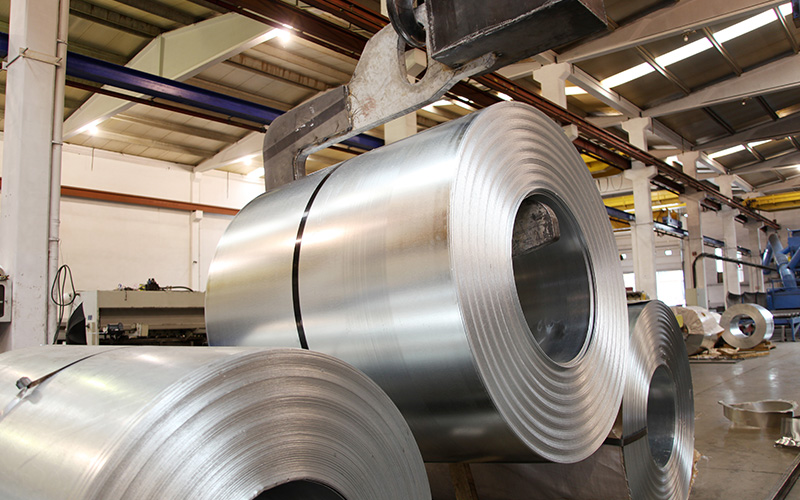
When To Switch To Zn-Al-Mg
Upgrade to Zn-Al-Mg when longevity is critical or the environment is harsh. This alloy is essential for coastal areas, industrial zones, or structures where maintenance is difficult (like solar farms). The magnesium triggers a “self-healing” reaction that seals cut edges and scratches, offering 5–10 times the corrosion resistance of standard zinc. While the upfront cost is higher, it pays off by drastically reducing replacement and maintenance needs over decades.
Frequently Asked Questions
Is zinc or galvanized better for outdoor use?
Pure zinc resists rust but lacks structural strength. Galvanized steel gives you the best of both worlds: the robust core of steel for load-bearing (like fences and roofs) and a protective zinc layer that keeps it rust-free for decades in mild climates.
Which material has greater strength: aluminum or galvanized steel?
It has higher tensile strength and stiffness compared to aluminum. While aluminum is lighter and great for weight-sensitive projects, galvanized steel is the industry standard for heavy-duty structural applications where durability under load is key.
Why is galvanized steel better?
It offers “Sacrificial Protection.” The zinc coating voluntarily corrodes to protect the steel underneath. Even if the surface is scratched, the zinc oxidizes first, forming a barrier that prevents the scratch from turning into a rust hole. It’s a low-maintenance, cost-effective solution.
Will galvanized steel ever rust?
Yes, eventually. It remains rust-free only as long as the zinc coating lasts. In harsh environments like coastal areas (salt) or industrial zones (acid), the zinc layer breaks down faster. > Pro Tip: For these extreme conditions, advanced alloys like Zn-Al-Mg are designed to last 3-10 times longer than standard galvanized steel.
Learn More About Our Products?
Contact Now