
Importance of Carbon Content in Steel: How This Tiny Ingredient Shapes Strength, Hardness, and Versatility
Carbon may be a small part of steel — usually less than 2% — but it changes the properties of steel profoundly. From soft and ductile low carbon steel to high carbon varieties known for their superior hardness, carbon content determines the steel’s tensile strength, hardness, and ductility. Everything depends on carbon level: machinability, weldability, corrosion resistance, and even how well steel responds to heat treatment. Understanding carbon content helps you pick the right steel. Whether you’re building a bridge, a knife, or a car part, the choice matters. In this post, we’ll break down types of carbon steel, how carbon changes their properties, and why it matters for real-world applications.
What Is Carbon Steel?
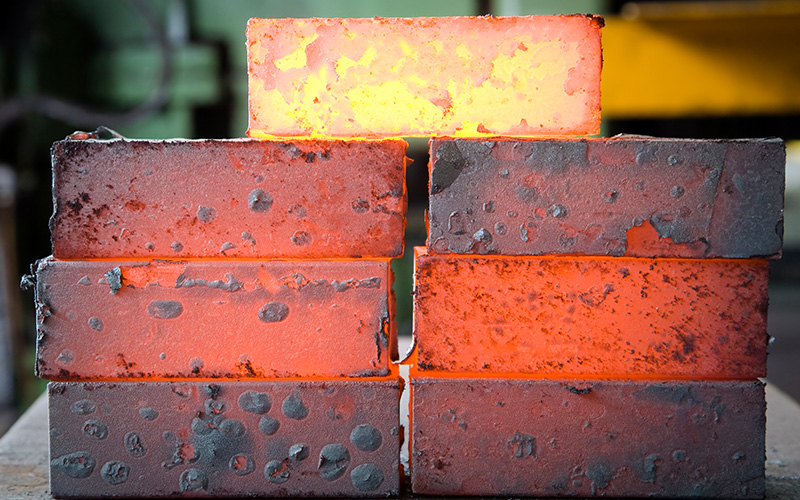
Carbon steel is an alloy made of iron and carbon, with a carbon content below 2% by weight. A higher carbon percentage increases hardness and strength at the cost of ductility. The colors of carbon steels range from bluish-gray to plain gray, and they take on an orange-red hue when oxidized. Carbon content determines the steel’s strength, hardness and ductility and many other properties. Carbon steel is widely employed in various industries, such as construction, transportation and machinery due to its outstanding performance.
Why does carbon matter in steel composition?
Types of Carbon Steel and their Properties
Carbon steel is categorized into low carbon steel, medium carbon steel and high carbon steel based on its carbon content. For more details, please refer to types of carbon steel > page.
Low carbon steel (0.05%–0.25%)
Low carbon steel, also called plain carbon steel or mild steel, contains about 0.05% to 0.25% carbon. The low carbon content yields high ductility and impact toughness,but relatively low hardness (60-70 HRB) and tensile strength (270-350 MPa). The steel has the greatest machinability and weldability among all carbon steels. Low carbon steel is also the most affordable type, as the manufacturing of low carbon steel does not require complex heat treatment used for higher grades. Because of these advantages, low carbon steel has become the most common form of steel. Common applications include car components, fencing materials, and food cans.
Medium carbon steel (0.25%–0.60%)
Medium carbon steel, with a carbon content of 0.25-0.60%, has balanced properties compared with the other two types. This alloy provides greater hardness (typically 150–250 HB) and tensile strength (500–800 MPa) than low carbon steel, and higher ductility and weldability than high carbon steel. With proper heat treatment, its mechanical performance can be further improved, making it suitable for applications that require both strength and toughness.
High carbon steel (0.60%–1.00%)
High carbon steel contains about 0.60–1.00% carbon. This steel delivers high hardness (up to 65 HRC) and tensile strength exceeding 900 MPa but loses most of its ductility. The alloy also resists wear easily and can maintain its sharpness or shape under repeated stress. However, due to the poor ductility and weldability, the use of high carbon steel is quite limited.
How Does Carbon Content Affect Steel?
Carbon content fundamentally determines the properties of steel. The main effects include strength and hardness, ductility and weldability, machinability, corrosion resistance, and response to heat treatment. The following sections explain how varying carbon levels influence each of these aspects.
Strength and Hardness
Carbon promotes the formation of hard phases such as martensite during heat treatment. When the carbon content increases, steel becomes harder and stronger due to the higher proportion of these microstructures. As a result, high-carbon steels are used in applications that demand superior surface hardness and tensile strength, such as knives, saw blades, and other cutting tools.
Ductility and Weldability
As the carbon level rises, steel becomes harder but less ductile. High carbon steels are prone to cracking during forming or welding. Low carbon steels, on the other hand, are easier to shape and join. As a result, they are widely employed in structural applications where welding is frequent.
Machinability
The harder the steel, the greater the difficulty in cutting. Working with high-carbon steel often requires specialized tools and techniques to prevent tool wear and maintain precision. In contrast, low carbon steels are easier to machine using standard equipment. Selecting the proper carbon level improves both production efficiency and tool life.
Corrosion Resistance
Carbon itself does not provide corrosion resistance. In fact, higher carbon often means more carbides, and can sometimes create galvanic cells amplifying corrosion. Consequently, high-carbon steels are more susceptible to rust if not properly protected. Adding protective elements, like chromium, helps alleviate the corrosion.
Heat Treatment
Carbon is necessary to stabilize martensite formation during rapid cooling, which increases hardness. Low carbon steels, typically below 0.25%, do not harden significantly through conventional quenching. High carbon steels, on the other hand, can form very hard surfaces. This makes them ideal for cutting edges and other wear-resistant parts.
Carbon Steel Benefits
Carbon steel is widely appreciated for its combination of strength, durability, safety, environmental friendliness, and cost-effectiveness. Its main benefits can be grouped into four categories:
- Durable: Carbon steel exhibits high tensile and yield strength along with superior shock resistance, making it ideal for heavy-duty components, structural beams, and machinery parts.
- Safe: Carbon steel has balanced properties, which means a safe choice under various circumstances.
- Green: Carbon steel can be recycled without significant quality loss, reducing the need for new raw materials and supporting sustainable production.
- Economical: Carbon steel is inexpensive to produce, making it a cost-effective material for construction, automotive, and household applications.
Carbon Steel Uses
Carbon steel is used across construction, automotive, machinery, tools, and consumer products, with specific applications largely determined by its carbon content, which influences hardness, ductility, and wear resistance. Its uses can be classified by carbon grade:
- Low-carbon steel: Low-carbon steel is soft, highly ductile, and easy to weld, making it suitable for automotive bodies, appliance panels, wire products, as well as everyday items such as car doors, fridge panels, and garden fencing.
- Medium-carbon steel: Medium-carbon steel provides a balance between strength and toughness. This steel is ideal for industries like construction of buildings and bridges, and products like gears, pipelines, refrigerators and cars.
- High-carbon steel: High-carbon steel has the highest hardness and wear-resistant of all three but is brittle. High-carbon steel is commonly used in cutting tools, knives, springs, high-strength wires, precision instruments, and other specialized tools.
FAQ
Is carbon steel strong?
Yes, carbon steel is strong. Its strength is directly proportional to its carbon content. Higher the carbon content, higher the strength of the steel.
Is carbon brittle?
Yes, carbon can be brittle. Its brittle nature stems from its high stiffness and low ductility. Higher carbon content makes steel harder and more brittle.
Is carbon ductile?
No, carbon is not ductile. Its ductility depends on its form. Pure element carbon like graphite or diamond is brittle, while carbon steel can vary from ductile to brittle, with ductility decreasing as carbon content increases.
Learn More About Our Products?
Contact Now