

Best Metals to Conduct Electricity: 7 Common Conductive Metals Ranked
Silver is the best metal for carrying electricity. Among pure metals, it has the highest electrical conductivity at room temperature. Copper is often the best practical choice for wires, busbars, motors, and other electrical parts. It conducts electricity very well. It is also easy to shape and widely available. Aluminum is often used when low weight and lower cost matter more. Manufacturers and suppliers must also check strength, connection methods, corrosion, and working conditions.
This guide uses reference data for high-purity metals near room temperature. It is written from a manufacturer and supplier view. SUMEC Metal has supplied steel and supply chain services since 1978. The guide compares seven conductive metals, their uses, key selection points, and common buying mistakes.
What Is the Best Metal to Conduct Electricity?
Silver is the best conductor among common pure metals. At about 20°C, it conducts electricity better than copper, gold, and aluminum. Copper is often the better choice for wires and busbars. It has very high conductivity, is easy to shape, works with common connection methods, and is widely available.
Aluminum is a strong option when low weight matters. Gold is mainly used when a stable, corrosion-resistant contact surface is needed.
A Quick Comparison Table:
| Rank | Metal | Typical Conductivity at ~20°C | Main Strength | Common Uses |
| 1 | Silver | ~63 MS/m | Highest electrical conductivity | Contacts, coatings, switches |
| 2 | Copper | ~58 MS/m | Best overall balance | Wiring, cables, busbars, motors |
| 3 | Gold | ~41 MS/m | Stable contact surface | Connector plating, contact surfaces |
| 4 | Aluminum | ~38 MS/m | Low weight | Power conductors, large cables |
| 5 | Tungsten | ~18 MS/m | High heat resistance | Filaments, high-temperature parts |
| 6 | Zinc | ~17 MS/m | Coating and battery value | Batteries, coatings, hardware |
| 7 | Nickel | ~14 MS/m | Corrosion and wear resistance | Battery parts, plating, connectors |
These figures are rounded reference values for high-purity elemental metals near 20°C, not specifications for every commercial grade. Conductivity changes with temperature, purity, alloy content, heat treatment, and material condition. Commercial alloys can conduct far less than their pure base metal. Under the IACS reference, 100% IACS is about 58 MS/m at 20°C.
What Are 7 Best Metals to Conduct Electricity
Conductivity is only one part of material selection. Manufacturers and suppliers also check cost, weight, strength, corrosion behavior, joining method, and working temperature. Each metal below offers a different balance of these properties.
1. Silver: The Best Metal to Conduct Electricity
Silver has the highest electrical conductivity among common pure metals. Its typical conductivity is about 63 MS/m near room temperature.
Silver also performs well on electrical contact surfaces. It is used in contacts, conductive coatings, switches, and selected electronic parts. Its main limit is cost, so it is rarely used for full-size wires or large busbars.
Silver can also tarnish in sulfur-containing air. For this reason, contact design must consider both bulk conductivity and surface condition.
2. Copper: The Best Practical Metal to Conduct Electricity
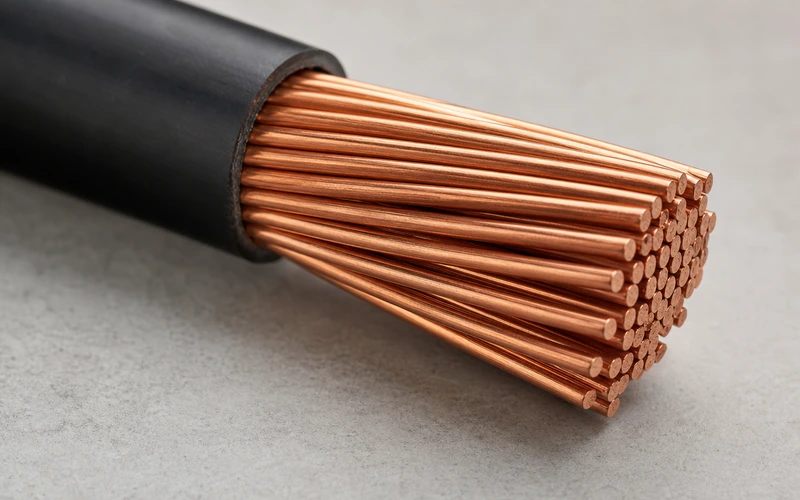
Copper is the best practical conductor for many electrical systems. Its typical conductivity is about 58 MS/m, which is close to silver.
Copper can be drawn into wire and formed into busbars. It is widely used in wiring, power cables, motor windings, transformer windings, and grounding parts. It also supports reliable electrical connections.
Copper is heavier than aluminum and may cost more. Still, its high conductivity allows a compact conductor size. This balance makes copper a common first choice for many electrical products.
3. Gold: The Best Conductive Metal for Corrosion-Resistant Contacts
Gold is a good conductor, but copper conducts electricity better. Pure gold has typical conductivity of about 41 MS/m near room temperature.
Gold is valuable because its surface resists oxidation and corrosion. This property helps maintain stable contact performance in connectors, contact surfaces, and sensitive electronic parts.
Cost limits its use as a bulk conductor. In many products, a thin gold coating gives the required surface performance without using solid gold.
4. Aluminum: The Best Lightweight Metal to Conduct Electricity
Aluminum offers good electrical conductivity and much lower density than copper. Its typical conductivity is about 38 MS/m near room temperature.
This gives aluminum a strong conductivity-to-weight ratio. It is widely used in electrical transmission and distribution, including overhead conductors. Its low density and useful conductivity make aluminum well suited to transmission and distribution systems, especially overhead conductors where conductor weight matters.
Aluminum needs a larger cross-section than copper to reach similar electrical resistance. Its oxide layer also means that terminals and joints must be designed for aluminum conductors. It is a practical choice when weight and material cost are major limits.
5. Tungsten: A Conductive Metal for High-Temperature Applications
Tungsten conducts electricity, but high-temperature performance is its main advantage. Its typical room-temperature conductivity is about 18 MS/m.
Tungsten keeps useful properties at temperatures that are too high for many common metals. It is therefore used in filaments and selected electrical parts exposed to high heat.
Its lower conductivity and difficult processing make it unsuitable for normal wiring. Manufacturers select tungsten when heat resistance is more important than minimum electrical resistance.
6. Zinc: A Conductive Metal for Coatings and Parts
Zinc can carry electricity, but it is not often used for high-current conductors. Its conductivity is about 17 MS/m at room temperature.
Zinc is more often used in coatings, batteries, cast parts, and some metal hardware. In these uses, its other benefits are often more important than its conductivity.
Manufacturers should also check coating quality, rust protection, production needs, and cost before choosing zinc.
7. Nickel: A Strong Conductive Metal for Hard Conditions
Nickel can carry electricity, but it does not conduct as well as copper or aluminum. Its conductivity is about 14 MS/m at room temperature. Its resistance can also change with purity and temperature.
Nickel is known for good rust and wear resistance. It is used in battery parts, metal coatings, connector surfaces, and parts used in hard working conditions.
Nickel is a good choice when a part needs both electrical use and strong surface protection.
Best Metals to Conduct Electricity by Application
The best conductive metal depends on what the final part must do. The following list connects common electrical applications with practical material choices:
- Electrical wiring: Copper offers high conductivity, good formability, and reliable connections.
- Overhead power lines: Aluminum reduces conductor weight while still offering useful conductivity.
- Power cables: Copper suits compact designs, while aluminum can reduce conductor weight and may support cost-focused designs when the larger required cross-section and connection system are included.
- Busbars: Copper supports compact, high-current designs. Aluminum can work where more cross-sectional area is available.
- Electrical contacts: Silver offers very high conductivity. Gold coatings help maintain stable contact surfaces in corrosive conditions.
- Connectors: Copper and copper alloys are common base materials. Gold or nickel may be added as surface layers.
- High-heat electrical parts: Tungsten works well in parts that must handle very high heat.
- Cars and aircraft: Copper works well in small circuits. Aluminum can lower the weight of some wire systems.
- Batteries: Nickel, zinc, copper, and aluminum can be used in different battery parts. The choice depends on the battery type and design.
Electronic parts: Copper often carries the current. Silver and gold are often used on contacts and surface coatings.
How to Choose the Best Metal to Conduct Electricity
Manufacturers, engineers, and buyers should compare the full design need before selecting a conductive metal. The following factors help keep the decision practical:
- Conductivity and resistivity: Higher conductivity can reduce resistance, heat loss, and required conductor size.
- Current and cross-section: A lower-conductivity metal may need a larger cross-sectional area.
- Weight: Aluminum can reduce mass in cables, vehicles, and overhead systems.
- Temperature: The resistivity of common metals generally rises as temperature rises.
- Corrosion and oxidation: Surface films can affect contact quality at joints and terminals.
- Strength and shape: The metal must be strong enough for the job. It should also bend, form, and handle shaking without damage.
- Joining and coating: Some metals are easier to crimp, bolt, solder, or weld. A coating can protect the surface, reduce wear, and keep a good electrical contact.
- Total cost: Buyers should check more than the metal price. They should also check fitting costs, conductor size, power loss, and service life.
- Project rules: The metal grade, size, coating, terminals, and fitting method must follow the project rules.
Common Mistakes When Selecting Conductive Metals
Many material selection problems begin when conductivity is treated as the only important property. Manufacturers and buyers should avoid the following mistakes:
- Choosing the highest-conductivity metal without checking cost, size, or service conditions.
- Comparing copper and aluminum without allowing for different conductor cross-sections.
- Ignoring temperature, corrosion, oxidation, or contact condition.
- Using terminals or joining methods that do not match the conductor metal.
- Comparing data measured at different temperatures, purity levels, or material conditions.
- Choosing a pure metal when a suitable alloy is needed for strength or wear resistance.
- Looking only at purchase price instead of installed cost and service life.
- Treating one conductivity figure as valid for every grade, temper, and material condition.
- Ignoring electrical, material, and installation standards that apply to the project.

FAQs
What Is the Best Metal to Conduct Electricity?
Silver is the best conductor among common pure metals. Copper is usually the best practical choice because it combines very high conductivity with useful mechanical properties and better cost control.
What Are the Three Most Conductive Metals?
Silver, copper, and gold are among the most conductive common pure metals. Aluminum follows them and is widely used where lower weight is important.
Is Gold More Conductive Than Copper?
No. Copper conducts electricity better than gold. Gold is mainly used because its surface resists oxidation and supports stable electrical contacts.
Why Is Silver Not Commonly Used for Electrical Wiring?
Silver is too expensive for most standard wiring. Its conductivity advantage over copper usually does not justify the added material cost.
Is Aluminum a Good Conductor of Electricity?
Yes. Aluminum is a good conductor with a strong conductivity-to-weight ratio. It is widely used in power transmission and other weight-sensitive systems.
Do All Metals Conduct Electricity?
Most metals conduct electricity, but not at the same level. Purity, alloy content, temperature, and material condition can change their conductivity.
Do Metal Alloys Conduct Electricity?
Yes. Most metal alloys conduct electricity. Alloying often reduces conductivity, but it can improve strength, wear resistance, corrosion resistance, or other useful properties.
Which Metal Is Best for Electrical Wiring?
Copper is usually the best practical metal for electrical wiring. It combines high conductivity, formability, reliable connections, and wide industrial use.
Conclusion
Silver has the highest electrical conductivity among common pure metals. Copper is often the best overall choice for electrical products. It offers high conductivity, useful strength, and broad availability. Aluminum is a good choice when low weight is important. Gold, tungsten, zinc, and nickel are better for certain uses.
The final choice should consider conductivity, size, weight, heat, corrosion, connection methods, cost, and project rules. For related industrial and manufacturing projects, teams can contact SUMEC Metal for steel products and supply chain support.
Learn More About Our Products?
Contact Now