

The Multifaceted Power of Titanium Alloys in the New Materials Wave
As low-altitude aircraft traverse city skies and medical implants achieve better biocompatibility, titanium alloys are integrating into every corner of life and industry in diverse ways. This material, possessing lightweight, high strength, and corrosion resistance, is no longer exclusive to high-end manufacturing. Driven by both policy support and technological breakthroughs, it has become a crucial engine for activating emerging industries. Since 2025, from major breakthroughs in scientific laboratories to large-scale applications in the low-altitude economy, the titanium alloy industry has been ushering in comprehensive development opportunities.
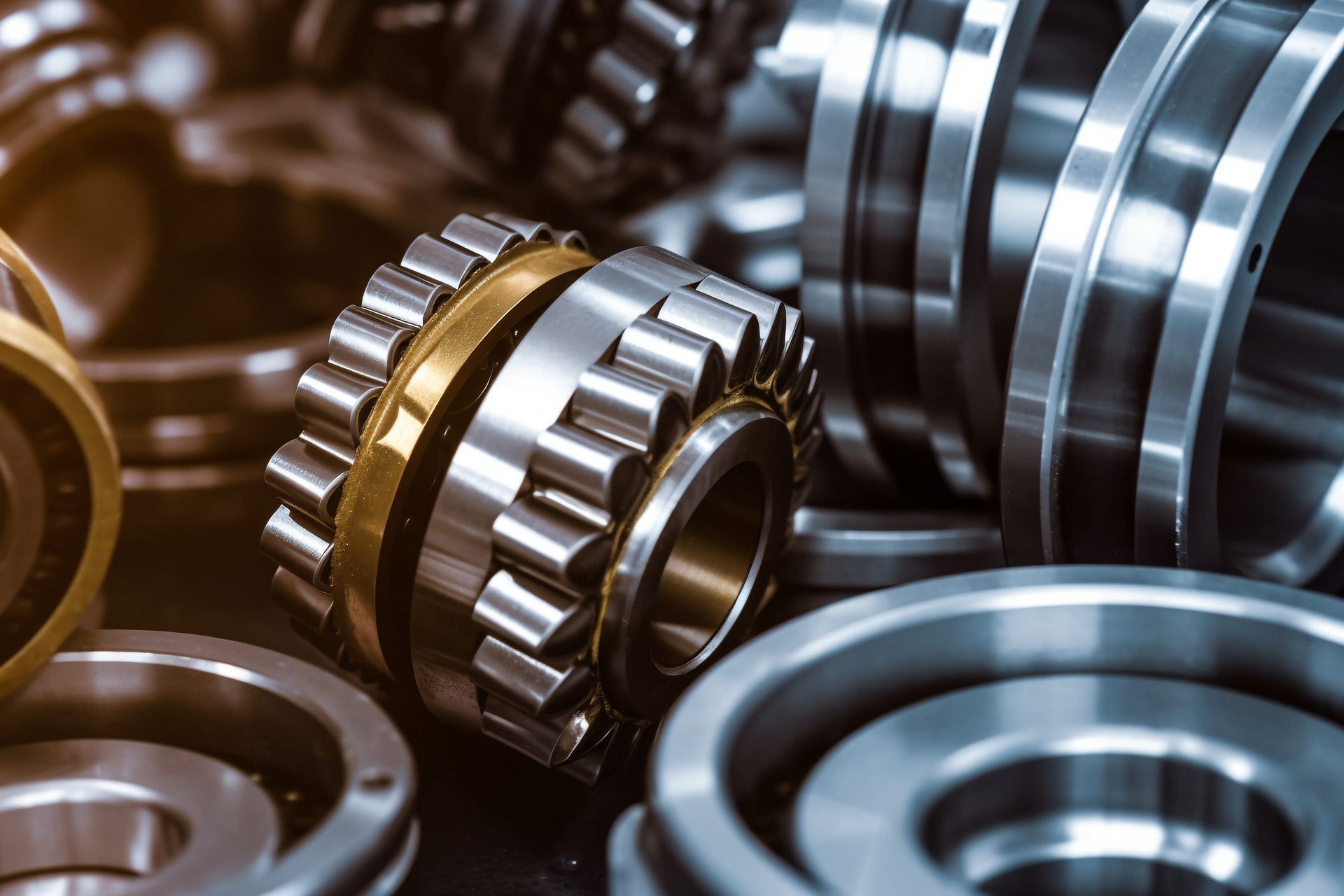
Technological innovation continues to break the performance boundaries of titanium alloys. For a long time, the “seesaw” problem of balancing strength and plasticity in titanium alloys has constrained the expansion of its application scenarios. Recently, domestic research teams have innovatively proposed a dual-design strategy, successfully achieving a synergistic improvement in both high strength and high plasticity through composition control and microstructure optimization. These results have been recognized by the international academic community. Simultaneously, breakthroughs in 3D printing post-processing technology have solved the pain point of poor fatigue performance in titanium alloy parts, creating “all-around” fatigue-resistant titanium alloys that exhibit superior performance under various stress environments, removing obstacles to their application in complex working conditions. The booming development of the low-altitude economy has opened up vast new applications for titanium alloys. With the implementation of relevant plans, the application scenarios for low-altitude aircraft are constantly expanding, from logistics and distribution to tourism and emergency rescue. Titanium alloys are a key material supporting the development of this industry.
Innovation in manufacturing processes is reshaping the industrial ecosystem of titanium alloys. Traditional titanium alloy production suffers from high costs and low yield rates, but the application of new processing technologies is gradually changing this situation. Electron beam melting technology has significantly increased the printing speed of titanium alloy parts and shortened the production cycle; isothermal forging technology has effectively improved material yield and reduced manufacturing costs. Guided by the concept of green development, titanium alloy recycling technology has also made progress, improving resource utilization through waste remelting processes and building a more sustainable industrial circular system.