

Why Is Structural Steel Getting More Popular in High-End Engineering?
According to the China Steel Structure Association, China’s steel structure processing volume exceeded 100 million tons for three consecutive years in 2024, accounting for 10.84% of crude steel output, with high-performance structural steel widely used in high-rise buildings, bridges and new energy infrastructure.
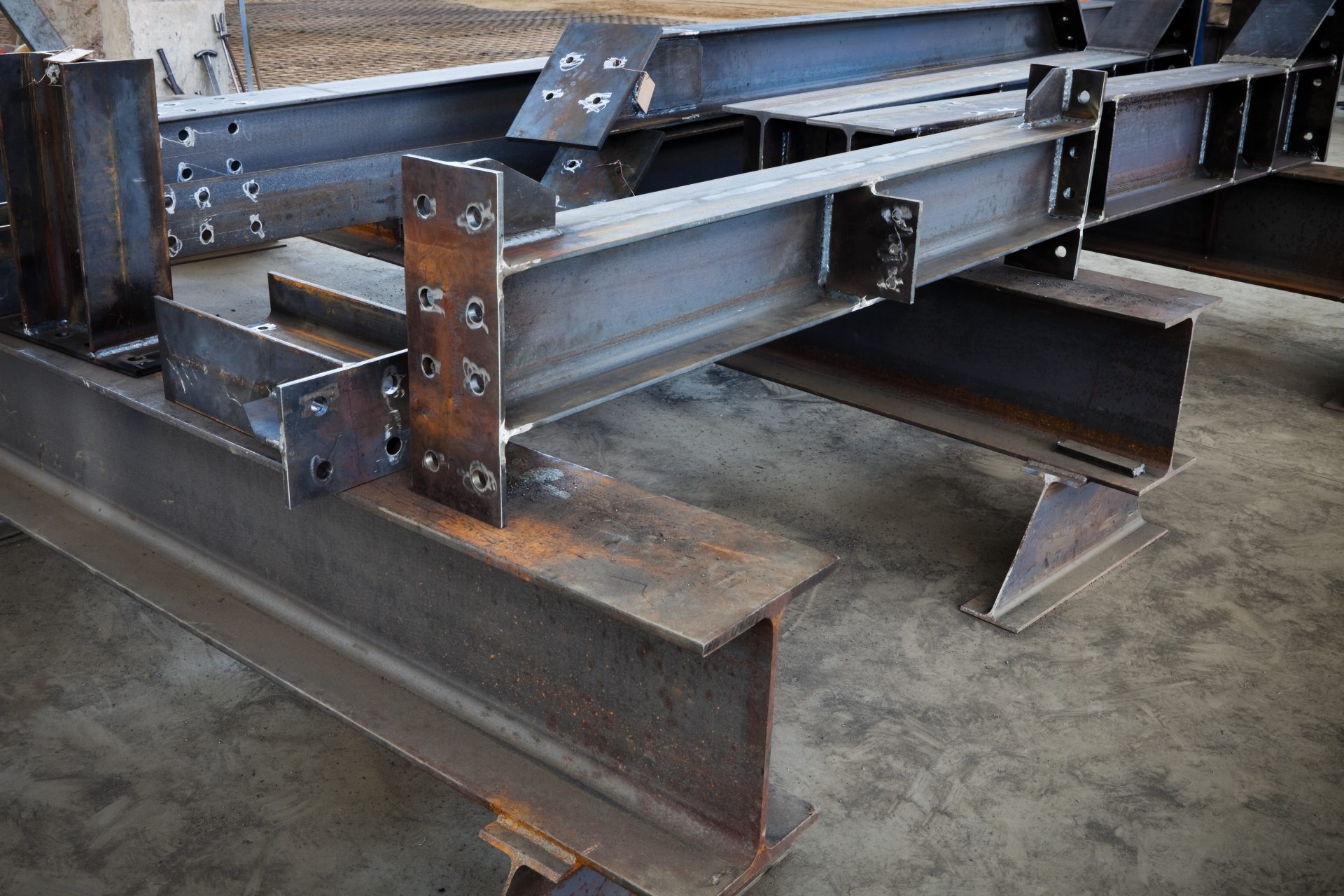
Green Upgrade: EPD Certification Becomes a “Green Passport” for Entering the High-End Market
Under the dual drive of the global green building wave and the “double carbon” goal, the environmental performance of structural steel products has become an important threshold for entering the high-end market. Environmental Product Declaration (EPD), as an important technical tool to promote the sustainable development and market access of the construction industry, has been widely recognized by the industry.
Baoshan Iron & Steel Co., Ltd. recently successfully released the Environmental Product Declaration of heavy steel plates for building structures on the steel industry chain EPD platform, becoming the first EPD report on the platform based on the CEN EN 15804:2012+A2:2019/AC:2029 core product category rules (PCR) and following the platform’s released PCR 2025:02 Steel for Construction and Steel Structure Products (Ver2.0). The declaration has passed the independent verification of an authoritative third-party certification body, fully complying with the latest standard requirements of ISO 14025, EN 15804, GPI and related PCR.
The EPD covers the heavy steel plates for building structures produced by Baosteel’s Baoshan Base and Zhanjiang Iron & Steel, with product thickness ranging from 5mm to 200mm. In the process of EPD compilation, Baosteel reconstructed the calculation logic and evaluation system in line with the EN 15804 standard, independently upgraded the online LCA model (version 2.0) of the involved detailed products, covering the whole life cycle of construction steel products from “cradle to gate + grave”, and incorporating the potential environmental impact in the resource recovery stage. The release of this EPD marks that the environmental performance accounting rules of Baosteel’s heavy steel plates for building structures are consistent with the global mainstream practices, providing a “green passport” for further expanding the international high-end markets such as the EU and North America.
Market Expansion: Emerging Fields Become New Growth Engines
The demand structure of the structural steel market is undergoing profound changes. Driven by national policies, the application scenarios of structural steel are constantly expanding, and emerging fields such as new energy infrastructure, prefabricated buildings and transportation engineering have become new growth engines for the industry.
In 2025, five ministries including the Ministry of Industry and Information Technology jointly issued the Work Plan for Stabilizing Growth of the Steel Industry (2025 – 2026), clearly proposing to actively promote the application of steel structures in residential buildings, public buildings, medium and small-span bridges and other fields, and support industry associations to build a whole-industry-chain cooperation mechanism involving steel production, steel structure processing, component manufacturing, architectural design, construction and installation, and decoration. This policy has strongly boosted the market demand for structural steel. Data shows that the demand for structural steel in the field of new energy infrastructure such as photovoltaic supports and wind power towers has increased significantly, becoming an important driving force for the growth of the structural steel market.
In the international market, China’s structural steel products are also showing strong competitiveness. The innovative special-shaped roof steel structure customized for Singapore Hyatt Hotel, made of precision straight seam pipes, has been fully processed and delivered, demonstrating the strength of China’s structural steel manufacturing to the world. In addition, Chinese steel structure enterprises have actively participated in global cooperation, and a series of major steel structure projects such as the Dubai COMO super high-rise project have achieved 100% welding qualification rate of 120mm extra-thick steel plates, fully verifying that China’s steel structure industry has ranked among the international advanced level in terms of design, manufacturing, construction and management.
Policy Support: Improving the Standard System to Lay a Solid Foundation for Industry Development
The rapid development of the structural steel industry is inseparable from the strong support of national policies. In 2025, the state has intensively introduced a number of policies to promote the high-quality development of the steel structure industry. The launch of the strategic research project on the high-quality development of China’s steel structure industry by the Chinese Academy of Engineering has gathered expert teams to conduct forward-looking and systematic research on the target positioning and market demand of the steel structure industry in the future economic and social development, and put forward scientific and operable development paths and policy recommendations.
At the same time, the professional talent team building of the steel structure industry has been further strengthened. In May 2025, “steel structure fitter” was officially included in the national occupational classification catalogue, filling the gap in the occupational standard in the field of steel structure assembly construction. The launch of the occupational standard compilation work will clarify the different levels, skill requirements, operating procedures and assessment standards of the occupation, providing a fundamental institutional guarantee for building a standardized, professional and large-scale steel structure industry worker team.
摘要
In summary, driven by technological innovation, green upgrading, market expansion and policy support, the structural steel industry has achieved significant progress. Domestic enterprises have broken foreign monopolies in high-end products, EPD certification has facilitated access to high-end markets, emerging fields have boosted demand, and national policies have laid a solid foundation. The industry has steadily entered a high-quality development track and will continue to play an irreplaceable role in supporting engineering construction and national economic development.