

China Cuts Export Tax Rebates on Metals, Battery Materials
China has quietly rolled out a major change to its export tax rebate policy. The new rules, which took effect on April 1, are already sending ripples through global metal and new energy supply chains.
The joint announcement from China’s Ministry of Finance and the State Taxation Administration isn’t about slowing down exports. Instead, Beijing is trying to nudge its manufacturers away from low-end, commodity-style products and toward higher-value goods. Think less basic metal sheets and more precision alloys.
What’s Actually Changing?
Two main things.
First, 249 product categories lost their VAT export rebates entirely. That list includes certain solar PV components and low-grade battery materials.
Second, battery products took a hit. Their export rebate rate dropped from 9% to 6% for the rest of this year. And here’s the kicker – the rebate goes away completely on January 1, 2027.
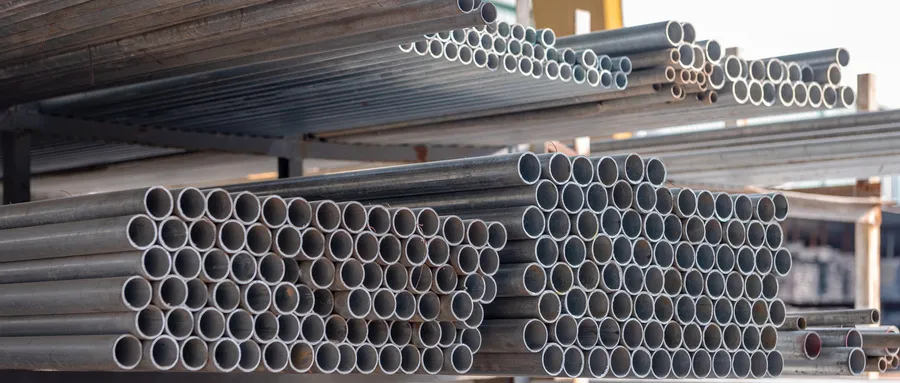
For metal exporters specifically, the policy targets the kind of stuff China has been shipping out by the ton for years: low-grade aluminum semi-finished products, copper cathodes, standard steel sheets. These are products that competed on price, not on technology or quality.
Why Is China Doing This?
Industry analysts say the goal isn’t to shrink exports overall. It’s to stop the race to the bottom.
For years, Chinese metal and new energy companies have been undercutting each other on price, flooding global markets with similar low-end products. That kind of homogeneous competition hurts profit margins and invites trade disputes.
The new policy basically says: upgrade or lose your rebate.
Short-Term Pain, Long-Term Gain?
In the short run, this is going to hurt. Exporters of low-value metal products will see their costs go up and their margins shrink. Some smaller producers may struggle to adjust, and China’s exports of basic metals could slow down temporarily.
But that’s kind of the point.
Over the long term, the policy is designed to push manufacturers toward high-value-added metal products. Think precision copper alloys, high-strength aluminum profiles, specialty stainless steel, and low-carbon metal materials. These are the kinds of products that command better prices and face fewer trade barriers.
How Global Markets Are Reacting?
It’s still early, but buyers outside China are already noticing a shift. The mix of metals coming out of China is starting to change – less basic stuff, more technically advanced products.
Some importing countries are watching closely. A reduction in China’s supply of basic metals could tighten global markets. At the same time, more high-quality Chinese metal products could give manufacturers elsewhere a run for their money.
Who Wins, Who Loses?
Big, innovative manufacturers that can produce high-end metal products are likely to come out ahead. They’ll gain market share as smaller, low-end competitors struggle.
Smaller firms focused on commodity-grade metals are in a tougher spot. They face a choice: upgrade their production lines or risk getting squeezed out entirely.
Analysts expect the policy to accelerate consolidation in China’s metal export sector. The companies that survive will be leaner, more tech-focused, and more competitive globally – which is exactly what Beijing wants.
Bottom Line
China isn’t turning off the export spigot. But it is tightening the rules for products that compete mainly on price. For global buyers, that means a changing landscape – fewer cheap basic metals, more sophisticated options, and potentially higher costs in some categories.
The clock is already ticking. Battery rebates disappear in 2027, and low-end metal products are already feeling the pinch. Companies that adapt quickly will find opportunities. Those that don’t may find themselves left behind.