
Galvannealed vs. Electro-galvanized Steel: Which Coating Is Best for Your Project?
Table of Contents
- Introduction
- Galvannealed Steel: A Durable Choice for Heavy Corrosion Protection Scenarios
- Core Process Principles
- Core Performance Advantages
- Limitations and Cost Characteristics
- Typical Application Scenarios
- Electro-galvanized Steel: An Efficient Choice for Precision Scenarios
- Core Process Principles
- Core Performance Advantages
- Limitations and Cost Characteristics
- Typical Application Scenarios
- Comparison of Core Performances Between Galvannealed and Electro-galvanized Steel
- Comparison of Protection Performance
- Comparison of Process and Usage Characteristics
- Comparison of Cost and Life Cycle
- Project Selection Decision Guide
- Core Dimensions for Selection
- Scenario-based Selection Suggestions
- Compromise Solutions for Special Scenarios
- Conclusão
1. Introduction
In industrial manufacturing and construction, protecting steel from rust is key. It decides how long a project lasts and how much it costs. Galvannealed and Electro-galvanized Steel are two common ways to stop steel from rusting. They use zinc coatings to slow down rust and make steel last longer.
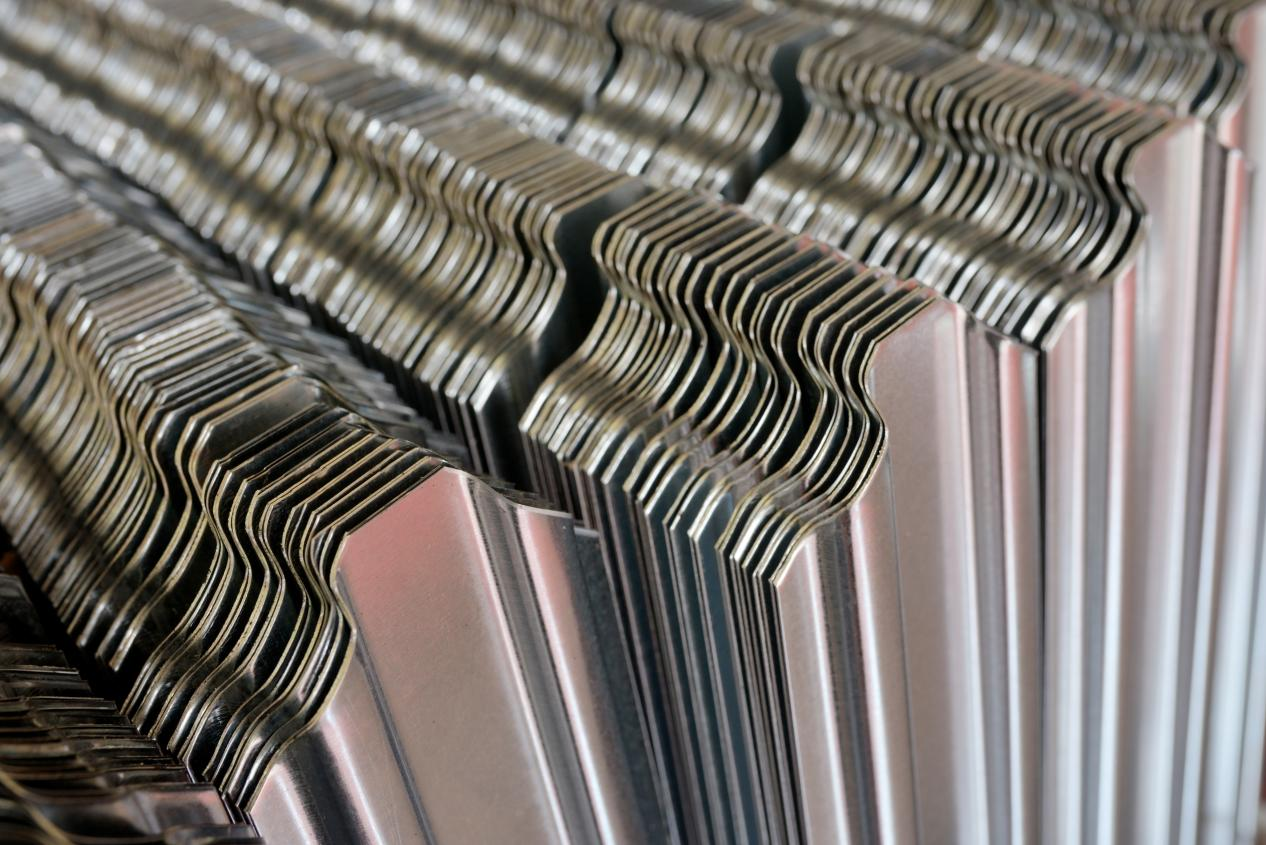
Though both are “galvanized steel,” they are very different. Galvannealed Steel has thick coatings and is great at fighting rust. Electro-galvanized Steel is precise and looks good. Choosing the wrong one can make maintenance costs twice as high or ruin the project early.
According to the 2024 Global Galvanizing Industry Report by the International Zinc Association (IZA), over 40 million tons of steel around the world use these two methods each year. Galvannealed Steel is used in 62% of industrial jobs, and Electro-galvanized Steel in 78% of precise manufacturing. This article will explain their differences in four parts: how they’re made, their main features, how they perform, and how to choose them. It uses international standards like ASTM and ISO, plus real project examples, to help workers and buyers pick the right one.
2. Galvannealed Steel: A Durable Choice for Heavy Corrosion Protection Scenarios
(1) Core Process Principles
Galvannealed Steel is made by “melting at high temperature and bonding metal.” The steps are clear and standard. First, steel must be cleaned thoroughly: remove oil with alkali, rust with acid, rinse, and treat to prevent rust. A clean surface is key to making the zinc stick well.
Then, the cleaned steel is dipped into melted zinc. The zinc is heated to 445-465℃. It stays there for 30-60 seconds (longer for thicker steel). The iron on the steel’s surface reacts strongly with the hot zinc. This forms a double coating: a zinc-iron alloy layer and a pure zinc layer.
This reaction makes the zinc layer stick tightly to the steel—like they become one. According to ISO 1461 International Standard, the coating has three layers from inside to outside. The middle alloy layer makes up 70%-80% of the total thickness. It both stops rust and is hard and sticky.
The coating is usually 65-120μm thick. Melted zinc flows into small gaps, so edges and welds of complex steel get thicker coatings. No part is left unprotected.
The ASTM A123/A123M Standard (from an American materials group) sets rules for Galvannealed Steel. For outdoor use where rust is bad, the coating must be at least 85μm thick. It must bend 180° without peeling. It also must resist rust in a salt spray test for 1000 hours or more. These rules make sure Galvannealed Steel works well everywhere.
(2) Core Performance Advantages
Galvannealed Steel has three big advantages: it fights rust well, lasts long, and covers every part. First, its 65-120μm thick coating can stand up to wetness, rain, factory fumes, and acid-alkaline soil.
Test data from the National Association of Corrosion Engineers (NACE) shows that outdoors, Galvannealed Steel can last 20-50 years. In dry inland areas, it may last over 50 years. Normal ungalvanized steel only lasts 3-5 years.
Second, the zinc layer sticks very well. It and the steel become one, so it resists bumps and scratches. During transport or installation, even if it’s hit a little, the zinc layer won’t peel off. Normal coatings would break easily, letting steel rust.
Third, melted zinc flows well. It gets into edges, welds, grooves, and small holes. This makes a full protective layer. It solves the rust problem for complex steel parts like bridges and towers.
(3) Limitations and Cost Characteristics
Galvannealed Steel also has drawbacks, mostly from its high-temperature process. First, 445-465℃ hot zinc can bend thin steel (less than 3mm thick). So it’s not good for precise parts that need to stay a perfect size (like parts with a 0.1mm tolerance).
Second, it doesn’t look great. The coating is silver-gray and a bit rough. If you want to paint it later, you have to sand the zinc layer first. That adds extra work.
Cost-wise, Galvannealed Steel is 30%-50% more expensive to buy than Electro-galvanized Steel. For example, a 10mm thick steel plate costs 1200-1500 yuan per ton to galvanneal. Electro-galvanizing the same plate only costs 600-800 yuan per ton.
But over time, it saves money. Outdoors, Galvannealed Steel needs no regular fixes. Electro-galvanized Steel needs repainting every 3-5 years. Each repaint costs 20%-30% of the original price. In the long run, Electro-galvanized Steel’s maintenance costs are 2-3 times higher.
(4) Typical Application Scenarios
Galvannealed Steel is best for outdoors, harsh places, or long-term use. In transport, it’s used for bridge railings, highway signs, communication towers, and railway supports. For example, the supports on China’s Beijing-Shanghai High-Speed Railway use it. They last 25 years without needing fixes.

In factories, it’s used for equipment supports in chemical plants, steel parts in sewage pools, mining machine shells, and offshore platform parts. These places are wet or have acid-alkaline substances, so Galvannealed Steel is the top choice.
Norway’s Equinor oil company says its offshore platform parts made of Galvannealed Steel last 15-20 years in the ocean. That’s much longer than other rust-proof methods.
In construction, it’s used for factory columns, roof supports, outdoor fences, and parking lot awnings. Shenzhen World Exhibition & Convention Center’s outdoor steel frame uses it. It works well in the humid south and is designed to last 50 years.
3. Electro-galvanized Steel: An Efficient Choice for Precision Scenarios
(1) Core Process Principles
Electro-galvanized Steel is made by “electrolysis at room temperature.” It’s an electrochemical process with three main steps. First, clean the steel (remove oil, rust, and activate it). Then, use the steel as the negative pole and pure zinc plates as the positive pole. Put both in a liquid with zinc ions (like zinc sulfate). Finally, pass 1-10V low-voltage electricity through. The zinc ions move to the steel and stick to it, forming a thin, even pure zinc layer.
Unlike galvannealing, electro-galvanizing is just physical sticking. The coating is pure zinc, 5-25μm thick. You can adjust the thickness easily based on how much rust protection you need.
ISO 4042 International Standard says the coating must be at least 8μm thick for normal use and 12μm for precise machines. ASTM B633/B633M Standard requires it to resist rust in a salt spray test for 200 hours. With color treatment, it can last 500 hours.
Electro-galvanizing happens at 20-30℃ (room temperature). This is a big plus. It doesn’t damage the steel with heat or bend the parts. So the steel keeps its original size perfectly. That’s why it’s good for precise parts.
(2) Core Performance Advantages
Electro-galvanized Steel has three main advantages: it’s precise, looks good, and is made quickly. First, it keeps the steel’s size perfectly. The thin coating (thickness error ±1μm) doesn’t change the steel’s shape. So it’s great for precise machine parts that need to fit together.
For example, car door hinges need to be accurate to ±0.05mm. The 10-15μm electro-galvanized coating doesn’t affect how well the door opens and closes. Galvannealed Steel’s thick coating would make the hinge get stuck.
Second, it looks nice and is easy to process. The coating is smooth (surface roughness Ra ≤ 0.8μm). You can color it (blue-white, colored, black) directly. It also works well with paint—no sanding needed. This makes it perfect for things like fridge shells and furniture parts that need to look good.
Third, it’s made fast. The process is short, and machines can make it non-stop. One production line can handle thousands of square meters of steel a day. It’s great for making lots of the same parts quickly.
China Electroplating Association’s 2024 report says electro-galvanizing is 3-5 times faster than galvannealing. It can meet big order demands quickly.
(3) Limitations and Cost Characteristics
Electro-galvanized Steel’s problems come from its thin coating. First, it doesn’t last long outdoors. The 5-25μm zinc layer gets damaged by sun, rain, and bumps. It only lasts 3-10 years outdoors, and less than 3 years in wet coastal areas.
Second, it doesn’t cover every part well. The electroplating liquid doesn’t flow as well as melted zinc. Grooves and small holes may get uneven or no coating. Third, the zinc layer sticks less tightly. A hard bump or scratch can make it peel off, letting steel rust.
Cost-wise, it’s cheaper to buy at first—30%-50% less than Galvannealed Steel. This is good for projects with tight budgets. But note: if used outdoors, it needs repainting every 3-5 years. Each repaint costs 20%-30% of the original price.
Take outdoor billboard supports. Electro-galvanized Steel is cheap to buy, but its maintenance costs over 10 years are 2.5 times higher than Galvannealed Steel. In the end, it costs more overall.
(4) Typical Application Scenarios
Electro-galvanized Steel is used for precise parts, indoor things, short-term use, or items that need to look good. In cars, it’s used for door hinges, chassis supports, and engine parts. It stops rust without messing up how parts fit together.
Toyota’s supplier data shows these parts resist rust in the car’s wet interior for 10-15 years. They also stay looking good.It’s also used for home appliances and electronics: fridge door frames, washing machine inner supports, AC shells, and computer cases. For example, Haier fridge door frames use it with color treatment. It stops rust and looks nice.
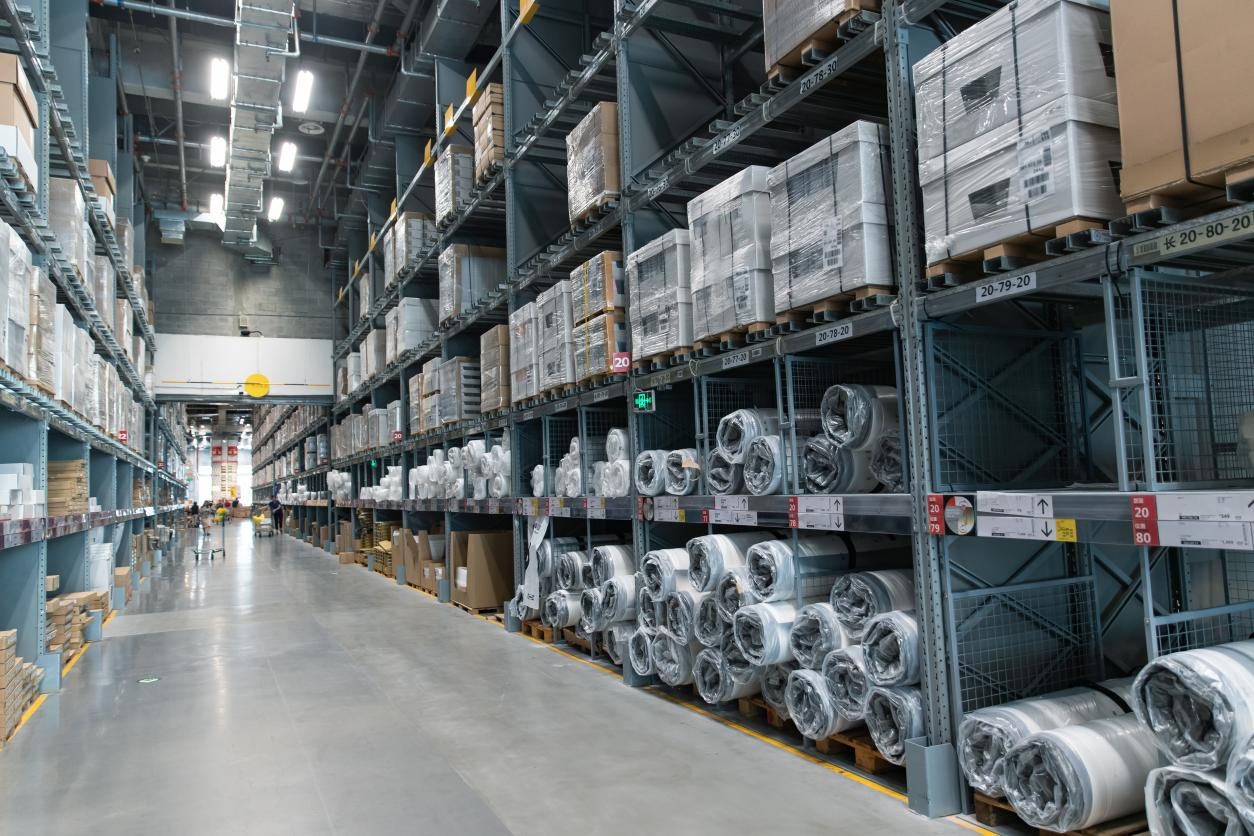
Indoors, it’s used for mall shelves, office furniture (file cabinets, shelves), indoor partitions, and supermarket counters. Indoor air is dry, so its rust protection is enough. It’s cheap and looks good, which is a big plus.
It’s also used for temporary things like construction fences, prefab house parts, and light shelves. It helps control costs.
4. Comparison of Core Performances Between Galvannealed and Electro-galvanized Steel
(1) Comparison of Protection Performance
| Aspect | Galvannealed Steel | Electro-galvanized Steel |
| Coating Thickness | 65-120μm, thick and even, edges are thicker | 5-25μm, thin and even, edges may get thin |
| Outdoor Service Life | 20-50 years, great at fighting heavy rust | 3-10 years, good for places with little rust |
| Corrosion Mechanism | Alloy + pure zinc layer, stronger rust resistance | Pure zinc layer, weaker rust resistance |
| Edge Protection | No unprotected spots, zinc flows well | Edges may lack coating, weak protection |
| Corrosion Resistance in Salt Spray Test | ≥1000 hours (ASTM A123 Standard) | ≥200 hours (ASTM B633 Standard) |
(2) Comparison of Process and Usage Characteristics
Galvannealed Steel uses 445-465℃ hot zinc. It may bend thin steel, so it’s not for precise parts. Electro-galvanizing is at room temperature. It doesn’t damage steel and keeps its size (error within ±0.1mm).
Galvannealed Steel’s thick coating makes parts bigger. It’s good for parts that don’t need to be super precise (error ≥±0.5mm). Electro-galvanized Steel’s thin coating doesn’t change size. It’s great for car parts and electronics that need to fit perfectly.
Galvannealed Steel is silver-gray and rough. You need to sand it before painting. Electro-galvanized Steel is smooth. You can color or paint it directly. It looks better, so it’s good for things that need to be attractive.
Galvannealed Steel stands up to acid, wetness, and ocean air. It’s best for outdoor heavy rust protection. Electro-galvanized Steel is for dry indoors or places with little rust. It needs extra protection if used outdoors.
(3) Comparison of Cost and Life Cycle
Initial cost: Galvannealed Steel is 30%-50% more expensive. For 1 ton of 5mm thick steel, Galvannealed costs 6500-7000 yuan. Electro-galvanized costs 4500-5000 yuan.
Maintenance cost: Galvannealed Steel outdoors needs almost no fixes (cost ≤5% of initial price in 10 years). Electro-galvanized Steel needs repainting every 3-5 years. Its 10-year maintenance cost is 60%-80% of the initial price.
Total cost over time: For outdoor projects lasting ≥10 years, Galvannealed Steel is 40%-60% cheaper. For indoor projects lasting
5. Project Selection Decision Guide
(1) Core Dimensions for Selection
The core of selection lies in “matching needs,” which needs to be comprehensively judged from four key dimensions:
Environmental factors are the primary consideration: is the project located outdoors or indoors? Is it in a highly corrosive environment such as high humidity, coastal areas, or chemical plants? What is the required service life? For outdoor + service life ≥10 years + severe corrosion, prioritize Galvannealed Steel; for indoor + service life <8 years + dry environment, Electro-galvanized Steel can be selected.
Component characteristics are also crucial: what are the dimensional accuracy requirements of the components? How complex is the shape? Is subsequent painting required? For high precision requirements (tolerance ≤±0.1mm), simple shape, and need for aesthetic painting, prioritize Electro-galvanized Steel; for loose dimensional accuracy and complex shape (including welds and grooves), prioritize Galvannealed Steel.
Cost budget needs to consider both short-term and long-term: if the initial budget is limited and the project cycle is short (<5 years), Electro-galvanized Steel can be selected; if focusing on long-term cost-effectiveness and inconvenient maintenance (such as high-altitude and offshore structures), prioritize Galvannealed Steel.
Functional needs need to clarify core demands: focus on corrosion protection and durability, select Galvannealed Steel; focus on precision and appearance, select Electro-galvanized Steel.
(2) Scenario-based Selection Suggestions
Scenarios where Galvannealed Steel is preferred:
- Outdoor service life ≥10 years, such as bridge guardrails, communication towers, and highway signposts;
- Complex component shapes, including welds, grooves, and blind holes, such as steel structure workshop columns and offshore platform components;
- Located in highly corrosive environments, such as coastal areas, chemical plants, and sewage treatment plants;
- Projects with inconvenient maintenance or high maintenance costs, such as high-altitude structures and underground pipeline supports.
Scenarios where Electro-galvanized Steel is preferred:
- Indoor use or outdoor service life <8 years, such as shopping mall shelves, office furniture, and indoor partitions;
- High dimensional accuracy requirements for components (tolerance ≤±0.1mm), such as automobile parts and electronic equipment shells;
- Need for aesthetic decoration or subsequent painting, such as home appliance accessories, furniture hardware, and advertising light boxes;
- Large-batch standardized production and projects with limited budgets, such as construction temporary railings and light shelves.
(3) Compromise Solutions for Special Scenarios
For medium corrosion protection needs (outdoor service life of 10-15 years), a combined solution of “electro-galvanizing + passivation + sealing coating” can be adopted to extend the protection life to 10-15 years, while retaining the dimensional accuracy advantage of electro-galvanizing, with a cost 15%-20% lower than that of galvannealing.
For scenarios where precision components are used outdoors (such as outdoor precision instrument supports), electro-galvanizing can be used first to ensure accuracy, and then zinc paste or anti-corrosion coatings can be locally applied to key parts (such as edges and welds) to enhance protection capabilities, balancing precision and durability.
For projects balancing cost and corrosion protection (such as small and medium-sized workshops), a combination of “core components with Galvannealed Steel + secondary components with Electro-galvanized Steel” can be adopted: core structures such as load-bearing columns and roof main beams use Galvannealed Steel to ensure safety, and decorative components and secondary supports use Electro-galvanized Steel to control costs.
6. Conclusion
Galvannealed Steel and Electro-galvanized Steel are not “superior or inferior,” but differ in “scenario adaptation.” Galvannealed Steel has become the core choice for outdoor heavy corrosion protection and long-term use scenarios with “thick coating, long service life, and full protection.” Electro-galvanized Steel adapts to the needs of precision manufacturing and indoor short-term scenarios with “high precision, good appearance, and low cost.”
The key to selection is to clarify the core demands of the project: if pursuing long-term durability and reducing maintenance costs in an outdoor harsh environment, Galvannealed Steel is the optimal solution; if focusing on dimensional accuracy, appearance effect, and limited budget or short service cycle, Electro-galvanized Steel has higher cost-effectiveness.
Combined with international standards such as ASTM and ISO and the actual working conditions of the project, making a decision after comprehensively considering the four dimensions of environment, components, cost, and function can not only ensure safety but also achieve optimal cost-effectiveness.In the future, with the upgrading of galvanizing technology, Galvannealed Steel will develop towards “ultra-thin coating and low-temperature process” to adapt to more precision scenarios; Electro-galvanized Steel will extend its outdoor service life through high corrosion resistance passivation technology and composite coating process. However, no matter how the technology develops, “scenario adaptation” is still the core logic for galvanized steel selection. Only by accurately matching needs can the corrosion protection value of galvanized coatings be maximized, ensuring the long-term stability and optimal cost-effectiveness of the project.
Saber mais sobre os nossos produtos?
Contactar agora