

What impact will the implementation of the CBAM carbon tariff have on the compliance of metal products?
On January 1, 2026, the EU’s Carbon Border Adjustment Mechanism (CBAM) officially ended its transition period and was fully implemented, bringing key categories such as steel and aluminum under control, directly impacting my country’s metal exports to the EU.
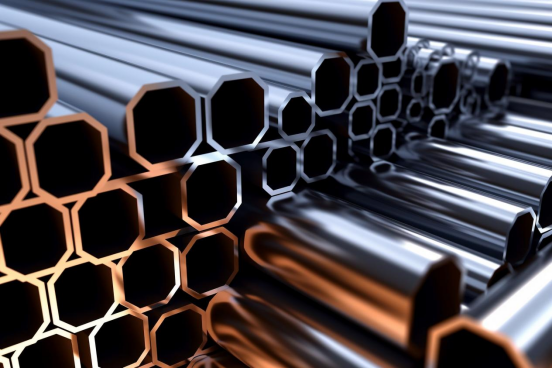
The implementation of CBAM carbon tariffs has placed stricter carbon emission accounting and cost pressures on metal products exported to the EU. Current policies cover core metal categories such as steel and aluminum, requiring companies to declare carbon emission data throughout the entire process and purchase corresponding certificates at EU carbon prices. For metal product companies that have long relied on the EU as their primary market, compliance has become a prerequisite for conducting business.
From an industry perspective, high-carbon-emission metal products are more significantly impacted. Basic metal products such as steel and aluminum have high emission intensity in their production processes. If effective low-carbon certifications are not provided, costs will be calculated based on the EU’s relatively high default values, leading to a decline in the price competitiveness of metal products. Many enterprises have begun adjusting their production processes, reducing carbon emissions through green electricity substitution and energy-saving renovations to ensure stable exports of metal products to Europe.
To cope with the new CBAM regulations, metal product companies are accelerating the construction of a full-chain low-carbon management system. On the one hand, they are improving carbon emission data monitoring, accounting, and reporting to ensure that metal products exported can provide authentic and traceable low-carbon certificates; on the other hand, they are optimizing their product structure, increasing the proportion of high-value-added, low-carbon emission metal products to reduce the cost impact of the policy.
At the same time, the policy also releases long-term positive signals, promoting the upgrading of the metal product industry towards green and high-end development. With the gradual popularization of low-carbon technologies, the carbon emission intensity of my country’s metal products continues to decline, and they are expected to form a new competitive advantage in the EU market in the future. Enterprises that plan ahead for low-carbon production capacity can not only meet CBAM requirements but also seize the opportunities presented by global green trade development.
Industry insiders generally believe that the implementation of CBAM is only the beginning of the tightening of global green trade rules, and it may subsequently expand to more metal products. Metal product exporting enterprises should incorporate low-carbon compliance into their long-term strategies, strengthen technological innovation and supply chain collaboration, stabilize overseas orders while strictly controlling emissions, and promote the high-quality development of my country’s metal product foreign trade.Overall, the implementation of the EU CBAM carbon tariff will bring cost and compliance pressures to metal product exports in the short term, but in the long term it will accelerate the industry’s low-carbon transformation. Only by proactively adapting to the rules and enhancing their green competitiveness can enterprises stand firm in the complex international trade environment and maintain the resilience and vitality of metal product exports.