
Steel Coating Methods Explained: Definition, Importance, and Methods For Performance And Corrosion Protection
Steel coating is the process of applying a thin protective layer to steel to improve resistance to corrosion, wear, and surface damage. Steel coating protects steel by creating a barrier that slows rust, extends service life, and improves performance in real working conditions. Engineers use coatings to control how steel reacts to moisture, chemicals, heat, and physical contact.
Steel fails faster without protection, especially in outdoor or industrial settings. Coatings reduce maintenance needs, improve safety, and support long-term cost control. The right coating also affects appearance, friction, and electrical behavior, which matters in many designs.
This article explains how steel coatings work, why they matter, and where each method fits best. It compares common coating options, outlines how coatings get applied, and shows how engineers choose methods based on use, environment, and limits.
What Is Steel Coating?
Steel coating is the process of applying a protective or functional layer to the surface of steel. It changes how the steel reacts to its environment and how it performs in use. Engineers use steel coatings to control corrosion, wear, and surface appearance.
Most steel coatings fall under the broader category of metal coatings. A metal coating can use zinc, aluminum, polymers, or paint to form a barrier. This barrier limits contact with air, water, and chemicals that cause rust.
From an engineering view, the coating works through one or more mechanisms. Some coatings block moisture and oxygen. Others, such as metallic coatings like zinc, protect steel by corroding first.
Steel coatings also define the final surface finish. The finish can be smooth, textured, glossy, or matte. Surface finish matters for friction, appearance, and how well later layers bond.
Coating thickness plays a key role in performance. Thicker layers often last longer but can raise cost and affect fit. Thin coatings reduce weight and cost but may wear faster.
Common reasons to apply steel coatings include:
- Corrosion protection in outdoor or wet settings
- Wear resistance in moving or abrasive parts
- Improved appearance or color control
- Better bonding for paints or adhesives
The right steel coating depends on the environment, load, and expected lifespan.
Why Steel Coating Is Important
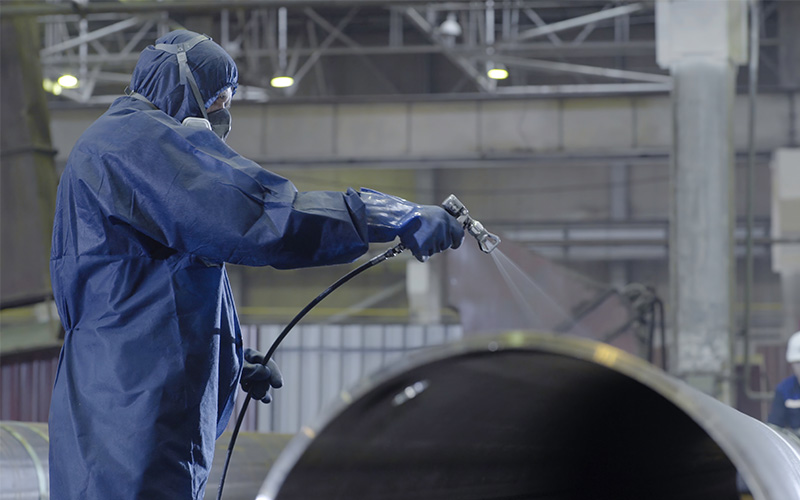
Steel coating is important because it protects steel from damage, improves performance, and helps parts last longer in real working conditions.
- Corrosion Resistance: Coatings block moisture and oxygen, which slows rust and supports corrosion prevention in wet or outdoor settings.
- Oxidation Control: A sealed surface limits contact with air and heat, reducing oxidation during storage and use.
- Sacrificial Protection: Some coatings, like zinc, corrode first and protect the base steel when the surface gets scratched.
- Abrasion Resistance: Hard or thick coatings reduce surface wear from friction, impact, and handling.
- Mechanical Durability: Coatings add surface strength and help steel keep its shape and function under load.
- Environmental Resistance: Many coatings resist moisture, chemicals, and heat, which improves reliability in harsh environments.
- Extended Service Life: Protection from corrosion and wear allows steel parts to stay in service for longer periods.
- Cost Reduction (Maintenance & Replacement): Fewer repairs and slower damage lower long-term upkeep and replacement costs.
- Aesthetic Improvement: Painted or finished surfaces improve appearance and support color coding or branding.
- Application Fit: Engineers choose coatings based on use, exposure, and limits, such as temperature range or impact risk.
Common Steel Coating Methods Explained
Steel coatings protect metal from corrosion, wear, and surface damage. Each method uses a different process and suits specific service conditions, costs, and performance needs.
Hot-Dip Galvanizing and Zinc Coatings
Hot-dip galvanizing coats steel with zinc to protect it from corrosion. The process dips cleaned steel into molten zinc, forming a bonded zinc coating on the surface.
The zinc acts as a sacrificial layer. It corrodes before the steel, which protects exposed areas even if the coating gets damaged. This feature makes galvanized steel reliable in outdoor and wet settings.
Galvanized coatings offer long service life and low maintenance. They work well for structural steel, fencing, and utility hardware. Limitations include thick coating buildup and limited color options.
Other zinc coating methods include sherardizing, which uses heat and zinc powder for small parts with tight tolerances.
Electroplating and Electroless Plating
Electroplating applies a thin metal layer to steel using an electric current. Common plated metals include zinc, nickel, and chromium.
The process gives precise thickness control and a smooth finish. It suits parts that need tight tolerances or decorative surfaces. However, the coating stays thin and offers limited protection in harsh environments.
Electroless plating uses a chemical reaction instead of electricity. It coats complex shapes evenly and works well for internal surfaces.
Both methods serve automotive parts, fasteners, and electronic components. They require clean surfaces and careful process control.
Epoxy Coating
Epoxy coating uses a two-part resin system that cures into a hard, protective film. It forms a strong barrier against moisture and chemicals.
The process involves surface cleaning, primer application, and controlled curing. Epoxy coatings resist abrasion and chemical exposure well.
These coatings perform best in controlled settings. UV exposure can cause chalking, and poor surface prep leads to failure.
Epoxy coatings suit pipelines, storage tanks, and industrial floors. They often serve as a base layer under polyurethane coatings or paint coating systems.
Powder Coating and Organic Coatings
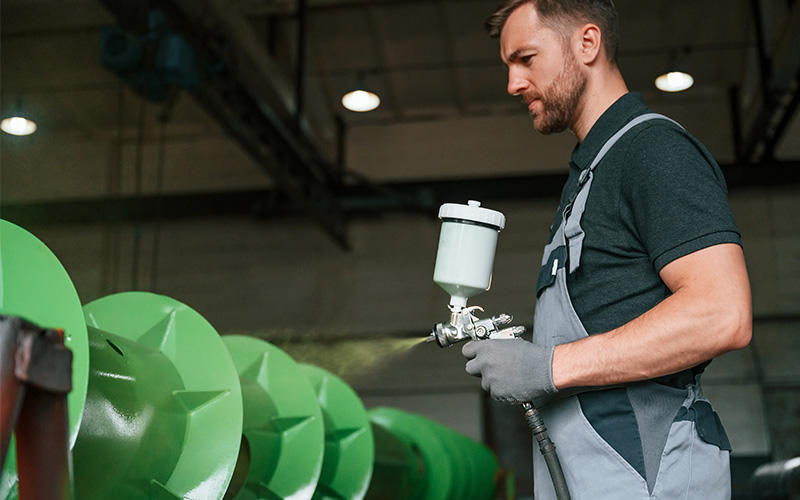
Powder coating applies dry powder to steel using an electrostatic charge. Heat then cures the powder into a solid film.
This method creates thick, even powder coatings with strong wear resistance. It produces little waste and avoids solvents.
Organic coatings include liquid paint coating systems, water-based coatings, and polyurethane coatings. These systems offer color flexibility and smooth finishes.
Limitations include lower heat resistance and limited repair options. Applications include appliances, outdoor furniture, and fabricated steel parts.
Conversion Coatings
Conversion coatings chemically react with the steel surface to form a protective layer. Common types include phosphate and chromate coatings.
The process changes the metal surface instead of adding thickness. This improves corrosion resistance and paint adhesion.
Conversion coatings remain thin and provide limited standalone protection. They work best as a pretreatment before painting or powder coating.
Industries use them for automotive bodies, fasteners, and coated steel assemblies where adhesion matters most.
Thermal Spray and Advanced Techniques
Thermal spray coatings apply molten or semi-molten material onto steel at high speed. Common methods include plasma spray, arc spray, and flame spray.
The process builds thick, durable layers without heating the base steel too much. Materials include metals, alloys, and ceramics.
Thermal spraying improves wear resistance, corrosion protection, and thermal performance. Equipment cost and surface roughness limit some uses.
Applications include bridges, offshore structures, turbines, and heavy industrial components where long-term durability matters.
Comparison of Steel Coating Methods Table
This section compares common steel coating methods by key engineering attributes. Engineers use these factors to match a coating to the environment, service life, and budget.
| Coating Method | Corrosion Resistance | Durability | Cost | Espesor | Environmental Suitability | Maintenance Needs |
| Galvanizing (Zinc) | High | High | Medium | Thick | Outdoor, wet, industrial | Low |
| Electroplating | Medium | Medium | Medium | Thin | Indoor, controlled | Medium |
| Paint Coatings | Low to Medium | Low to Medium | Low | Medium | Mild environments | High |
| Powder Coating | Medium | Medium to High | Medium | Medium | Indoor or sheltered outdoor | Medium |
| Thermal Spraying | High | High | High | Thick | Harsh or high-wear | Low |
Galvanizing uses zinc to protect steel by corrosion sacrifice. It works well in outdoor and industrial settings but adds weight and thickness.
Electroplating applies a thin metal layer for smooth finishes and tight tolerances. It suits small parts but offers less long-term corrosion protection.
Paint and powder coatings create a surface barrier. They allow color and finish control but need regular inspection and repair in harsh environments.
Thermal spraying deposits thick metallic layers for heavy-duty use. It costs more but performs well in severe wear and corrosion conditions.
How to Choose the Right Steel Coating Method
Choosing the right steel coating method depends on the operating environment, required corrosion resistance, mechanical stress, budget, and expected service life of the steel component.
The exposure environment is the most critical factor. Outdoor, marine, and chemical settings need strong corrosion protection, such as galvanizing or epoxy coatings. Indoor or dry areas often work well with paint or powder coating.
Corrosion resistance should match the expected level of moisture, salt, or chemicals. For applications that demand long-term protection with minimal maintenance, zinc-based coatings provide sacrificial protection by corroding before the steel substrate. Organic coatings, such as paints and powders, mainly act as physical barriers and depend on coating integrity, which makes periodic inspection and repair more important.
Mechanical wear and load also influence coating performance. Steel components exposed to abrasion, impact, or frequent handling benefit from tougher surface layers. Powder coating offers better resistance to chipping and wear than conventional liquid paints, while thin decorative coatings may fail early under high mechanical stress.
Budget and maintenance cost must be evaluated together rather than separately. Low-cost coating systems reduce initial expense but often increase long-term maintenance due to recoating and inspection needs. Higher upfront solutions, such as galvanizing, typically deliver longer service life and lower lifecycle cost by reducing downtime and repair frequency.
Aesthetic and surface finish requirements further guide selection. When appearance, color consistency, or surface texture is important, paint and powder coating provide greater flexibility than metallic coatings. Decorative needs, however, should not outweigh functional protection in aggressive environments.
In practice, the best steel coating method is determined by balancing environmental exposure, corrosion resistance, mechanical demands, cost, and appearance. Evaluating these factors together helps prevent under-protection or unnecessary overcoating, ensuring reliable performance throughout the steel component’s service life.
Steel Coating Process Overview
Steel coating is a series of steps that prepares the surface, applies a coating, and stabilizes it to protect steel and meet performance needs.
- Surface preparation sets the base for coating by removing defects that block adhesion. Engineers select methods based on steel grade, service environment, and coating type.
- Surface cleaning removes oil, dirt, and salts using solvents or alkaline washes. Clean surfaces reduce coating failure and improve coverage.
- Abrasive blasting roughens the steel with grit or shot for better bonding. Media size and pressure control the surface profile.
- Surface treatment adds chemical layers, such as phosphates, to improve corrosion resistance. This step supports paint and powder systems in harsh settings.
- Pre-treatment combines cleaning and treatment steps to stabilize the surface. Consistent control improves repeatability.
- Coating application applies metal, paint, or powder using methods like galvanizing, electroplating, or spraying. Engineers adjust thickness, temperature, and time to meet requirements.
- Curing process hardens coatings through heat or time. Proper curing improves durability and resistance.
- Post-treatment seals or inspects the coating to confirm quality. Testing checks adhesion, thickness, and coverage.
- Process parameters guide each step, including temperature, time, and humidity. Control balances performance, cost, and production speed.
Industrial Applications of Steel Coatings
Industrial steel coatings protect steel parts from corrosion, wear, and surface damage in demanding environments. Engineers choose coatings based on performance needs, exposure conditions, and required lifespan across industries such as construction, automotive, oil & gas, marine, manufacturing, and infrastructure.
Selection Criteria for Steel Coating
Engineers match a coating to a specific industrial use based on factors like environment, mechanical stress, cost, and application method.
- Corrosion exposure: Marine and oil & gas sites often use galvanizing or epoxy systems to resist saltwater and chemicals.
- Wear and friction: Automotive and manufacturing parts may use physical vapor deposition (PVD) or chemical vapor deposition (CVD) for thin, hard surfaces.
- Material type: Stainless steel often needs passivation or vapor deposition instead of thick coatings.
- Part size and shape: Large infrastructure parts favor spray or paint coatings, while precision parts suit vapor deposition.
FAQ
Which steel coating lasts the longest?
Thermally sprayed and hot-dip galvanized coatings usually last the longest.
They form a thick metallic layer that bonds tightly to steel. In outdoor and industrial settings, these coatings can protect steel for decades. Their main limits include higher cost and the need for proper surface prep.
Is galvanized steel better than painted steel?
Yes, galvanized steel resists corrosion better than paint in harsh or wet areas.
Zinc reacts first when exposed to moisture, which protects the steel below. Paint costs less and offers color options, but it needs regular repair and can fail if scratched.
Can steel be recoated?
Yes, steel can be recoated if the surface is clean and sound.
Engineers check for rust, peeling, or damage before recoating. They remove loose material and prepare the surface so the new coating can bond well.
Más información sobre nuestros productos
Contacto