

Slabs vs. Billets vs. Blooms: Key Differences in Steel Manufacturing
Steel production relies on three main semi-finished forms: slabs, billets, and blooms. Each one shapes the final product in its own way.
Slabs are wide and flat, used to make sheets and plates; blooms are large and square, used for structural shapes; billets are smaller and more compact, used for bars, rods, and wires.
Understanding the differences between these forms helps explain why certain materials work better for specific manufacturing needs. Their size, shape, and intended use decide how they move through rolling mills and what they eventually become.
This guide digs into how each type is made and where they show up in real-world applications—from construction beams to fine wire products.
What Is Steel Slab?
A steel slab is a wide, flat rectangular semi-finished piece of steel used as the starting material for plates, sheets, and strips. It has a rectangular cross-section, usually over 36 square inches, with thickness from 150 to 250 mm and widths often exceeding 1,000 mm. Slabs are cast from molten steel and later rolled into flat products, making them ideal for shipbuilding, automotive panels, and construction. The wide, flat shape ensures even heating and rolling, keeping the grain structure and surface finish consistent.
What Is Steel Billet?
A steel billet is a small, square or round semi-finished piece of steel used as the starting material for bars, rods, and wires. Its cross-sectional area is usually less than 36 square inches, making it smaller than a bloom or slab. Billets are produced by continuous casting or rolling down larger blooms and are easy to reheat and shape. Their uniform size and consistent grain make them ideal for precise machining, forging, and forming into long, narrow products.
What Is Steel Bloom?
A steel bloom is a semi-finished steel product with a square or rectangular cross-section used as the starting material for structural shapes, rails, and heavy bars. Its cross-sectional area, usually between 36 and 144 square inches, is larger than a billet but smaller than a slab. Blooms are produced by continuous casting or rolling ingots and serve as an intermediate form, bridging slabs and billets for various structural and long products.
Key Differences Between Slabs, Billets, and Blooms
Slabs, billets and blooms differ in many ways, and the main differences are as follows:
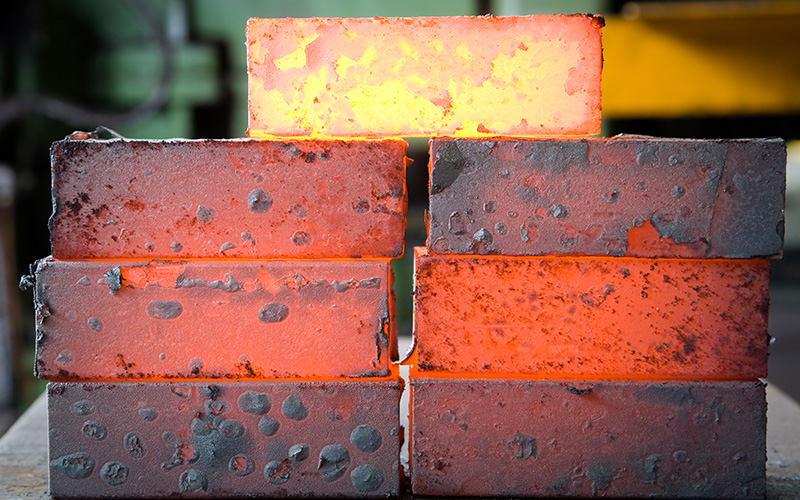
- Shape and cross-section: Slabs are wide and flat; blooms are square or slightly rectangular; billets are small, square or round.
- Size: Slabs are largest; blooms are medium; billets are smallest.
- Typical uses: Slabs make plates, sheets, and coils; blooms make beams, rails, and heavy bars; billets make rods, wires, and reinforcing bars.
Shape and Cross-Section
A slab comes with a rectangular cross-section, wide and flat. It’s much broader than thick, making it the go-to for flat steel products like plates and sheets.
A bloom shows up with a square or slightly rectangular cross-section. It’s bigger than a billet and smaller than a slab. Blooms become beams, rails, and heavy bars.
A billet is more uniform and smaller in cross-section, usually square or round. It’s suited for making long and narrow products like rods, bars, and wires.
Size and Dimensions
The size and dimensions of these steel forms define their role in production.
Slabs usually go over 250 mm in thickness and can be several meters wide. The large surface area lets them be rolled into wide, flat products.
Blooms have a cross-sectional area greater than 230 cm² but are still smaller than slabs. They act as an intermediate stage before forming into heavy structural products.
Billets are the smallest, with a cross-sectional area under 230 cm². Their uniform size and shape make them easier to handle in continuous casting and rolling processes.
Steel mills usually classify these materials by both cross-section and intended rolling process. This helps keep product quality steady and material flow efficient.
Typical Uses
Slabs turn into flat steel products like plates, sheets, and coils for shipbuilding, construction, and automotive work.
Blooms become structural components—rails, beams, and heavy bars in infrastructure and machinery.
Billets get made into long products such as rods, wires, and reinforcing bars for construction and mechanical parts.
Manufacturing Processes and Origins
Slabs, billets, and blooms are all semi-finished steel products formed in the early stages of metal production. Each starts as molten steel that solidifies into a specific shape, depending on intended use and size.
Most steelmakers use continuous casting for these forms. In this process, molten steel flows from a tundish into a casting mold, cooling and solidifying as it moves through the machine.
The mold’s shape decides whether the output is a slab, bloom, or billet. Ingot casting is another method, but it’s less common now. Here, molten steel is poured into molds and cools before being rolled into the semi-finished shape.
Continuous casting usually wins out for efficiency and consistency. It just makes more sense for modern steel plants.
After casting, these products go through hot rolling to refine their dimensions and improve internal structure. The differences in shape and size decide their later applications and the type of rolling or forming process used.
Applications and End Products
Each semi-finished steel form fills a distinct role in manufacturing. Their shape and size steer how they’re processed into finished goods like plates, sheets, bars, rods, pipes, and structural beams for all sorts of industries.
Slab Applications: From Flat Products to High-Precision Sheet
Steel slabs form the base for flat-rolled products. Manufacturers reheat and roll slabs into plates, sheets, and strips for shipbuilding, automotive panels, and heavy machinery.
Plates from slabs give strength for bridges, storage tanks, and pressure vessels. Sheet metal offers precision and uniform thickness for appliances, vehicle bodies, and construction cladding.
With continuous casting and controlled rolling, slabs can produce materials with tight dimensional tolerances. These processes help ensure consistent quality for industries that need large, flat surfaces or thin, flexible sheet products.
Bloom Applications: Heavy-Duty Structural and Railway Uses
Blooms kick off the process for structural shapes and railway components. Their chunky cross-section fits the bill for heavy-duty products that need to handle serious stress.
Manufacturers roll blooms into I-beams, H-beams, and channels. These forms end up supporting bridges, high-rises, or industrial frameworks.
Blooms also provide the base for rail tracks and seamless pipe production. Their dense structure and even grain make them a top pick for forging and rolling jobs that demand durability.
Billet Applications: Long Products and Everyday Construction Steel
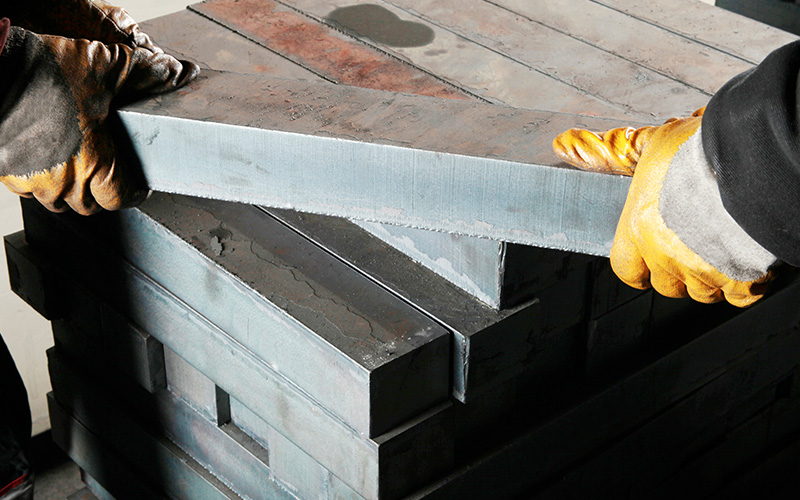
Billets turn into long, slender metal products. They’re rolled or drawn into bars, rods, wires, tubes, and pipes for all sorts of industrial or construction uses.
Bars and rods from billets reinforce concrete or become machine parts and tools. Wire drawn from billets ends up in electrical work, fencing, or fasteners.
Since billets can be cut to set lengths, they help reduce waste and allow for flexible production. Their smaller cross-section and fine grain structure make them good for precision rolling and drawing, which leads to consistent products across industries.
Frequently Asked Questions
Slabs and billets and blooms: what’s the difference price
Pricing? It depends on size, weight, and what you’ll use it for. Slabs usually cost more per ton—they’re bigger and go into plate and sheet production.
Blooms and billets are smaller, often with simpler shapes and lower prices. Market demand shifts things too. Billets might fetch higher prices when construction picks up, while slabs and blooms follow price trends in heavy plate and structural steel.
How does the production process vary between blooms, billets, and slabs?
They all start as molten steel cast into semi-finished shapes. The main difference is in the cross-section and what happens next.
Slabs come out wide and flat, destined for sheets and plates. Blooms are larger squares, run through blooming mills to make beams or rails. Billets are smaller squares or rounds that get rolled into bars, rods, and wires.
Can you compare the typical applications for blooms, billets, and slabs in steel manufacturing?
Slabs go into making flat products like sheets, plates, and coils. You’ll see these materials show up a lot in shipbuilding, automotive, and construction.
Blooms usually turn into structural shapes, rails, or forgings. Billets, on the other hand, become long products—think bars, rods, tubes, and wires.
Honestly, each type fits a different stage of steel manufacturing. It all depends on what form and strength the final product needs.
Más información sobre nuestros productos
Contacto